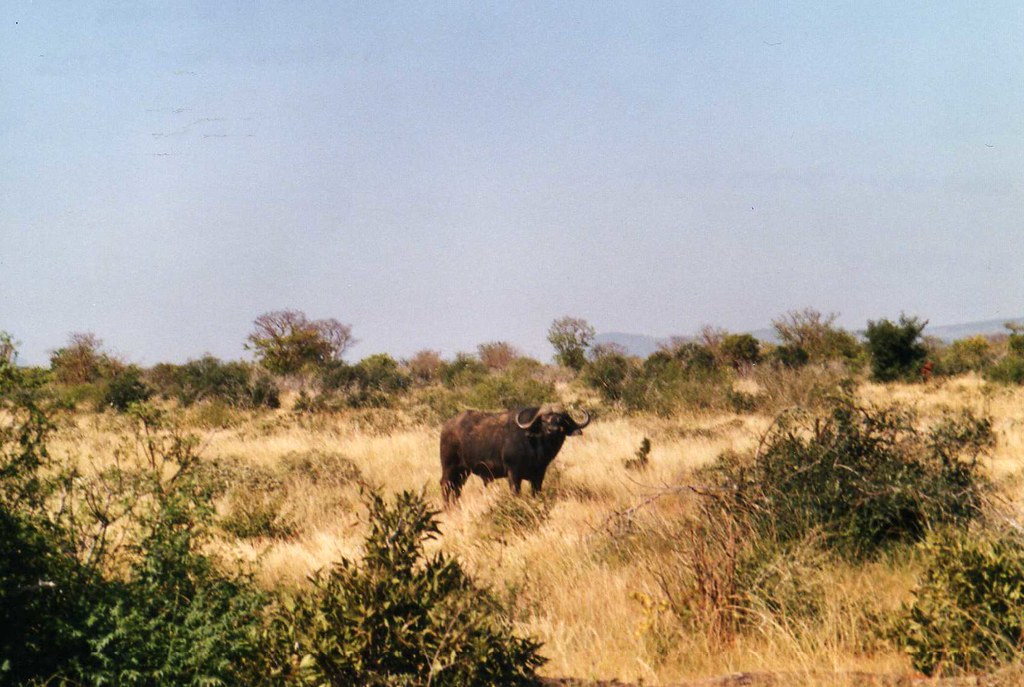
Cape buffalo hunting stands as one of the purest tests of a hunter's skill, nerve, and preparation. Known as the Black Death across Africa's savannas, these massive bovines combine thick hides, dense bone structure, and a legendary refusal to go down easily. Choosing the right rifle caliber is not about ego or bragging rights. It is about delivering enough energy and penetration for a clean, ethical kill that respects the animal and the sport. Get it wrong and you risk a wounded buffalo that becomes exponentially more dangerous, along with a ruined hunt and a stain on hunting ethics.
I have spent decades guiding and hunting dangerous game, and nothing focuses the mind like the sound of a buffalo crashing through mopane scrub after a marginal hit. Modern ballistics and bullet technology have improved options, yet the fundamentals remain rooted in proven performance on the African continent. This guide breaks down current best practices so you can select a caliber that matches the challenge while supporting conservation through responsible hunting.
Why Caliber Choice Matters for Cape Buffalo
Cape buffalo bulls routinely tip the scales between 1,500 and 2,000 pounds. Their heart and lung area sits behind a heavy boss of bone and muscle, and their hide can exceed an inch thick in places. A caliber must drive a heavy bullet deep enough to reach vitals from any reasonable angle, including the quartering shots common when buffalo turn or charge. Insufficient power leads to poor penetration, which means tracking a wounded animal into thick cover where the odds shift dramatically against the hunter.
Professional hunters across Zimbabwe, Tanzania, Botswana, and South Africa almost universally insist on a minimum of .375-caliber for buffalo. Many countries write this into hunting regulations. The .375 H&H Magnum has served as the legal and practical floor for generations because it balances manageable recoil with adequate energy. Anything lighter, even with premium bullets, simply does not meet the ethical standard for most operators today. Recent field reports from 2020 onward continue to confirm that modern expanding solids and monolithic bullets perform best when launched from these proven platforms rather than undersized cartridges.
Minimum Standards and Legal Considerations
Start with the law and the PH's requirements. In most African nations the .375 H&H Magnum is the smallest cartridge allowed for Cape buffalo. Some private concessions push higher. Always confirm with your outfitter before booking. Beyond legality, consider real-world terminal performance. A 300-grain .375 bullet at 2,500 feet per second delivers roughly 4,000 foot-pounds of energy at the muzzle. That figure drops at distance, so keep shots inside 100 yards whenever possible. Buffalo hunting is a close-range affair.
I recommend treating .375 as the absolute starting point for experienced hunters who shoot it well. Newer hunters or those sensitive to recoil often fare better stepping up to heavier options that still remain controllable. Recoil management matters because a flinch on a charging buffalo can be fatal. Practice extensively from field positions with the exact rifle and load you will carry.
Top Recommended Calibers
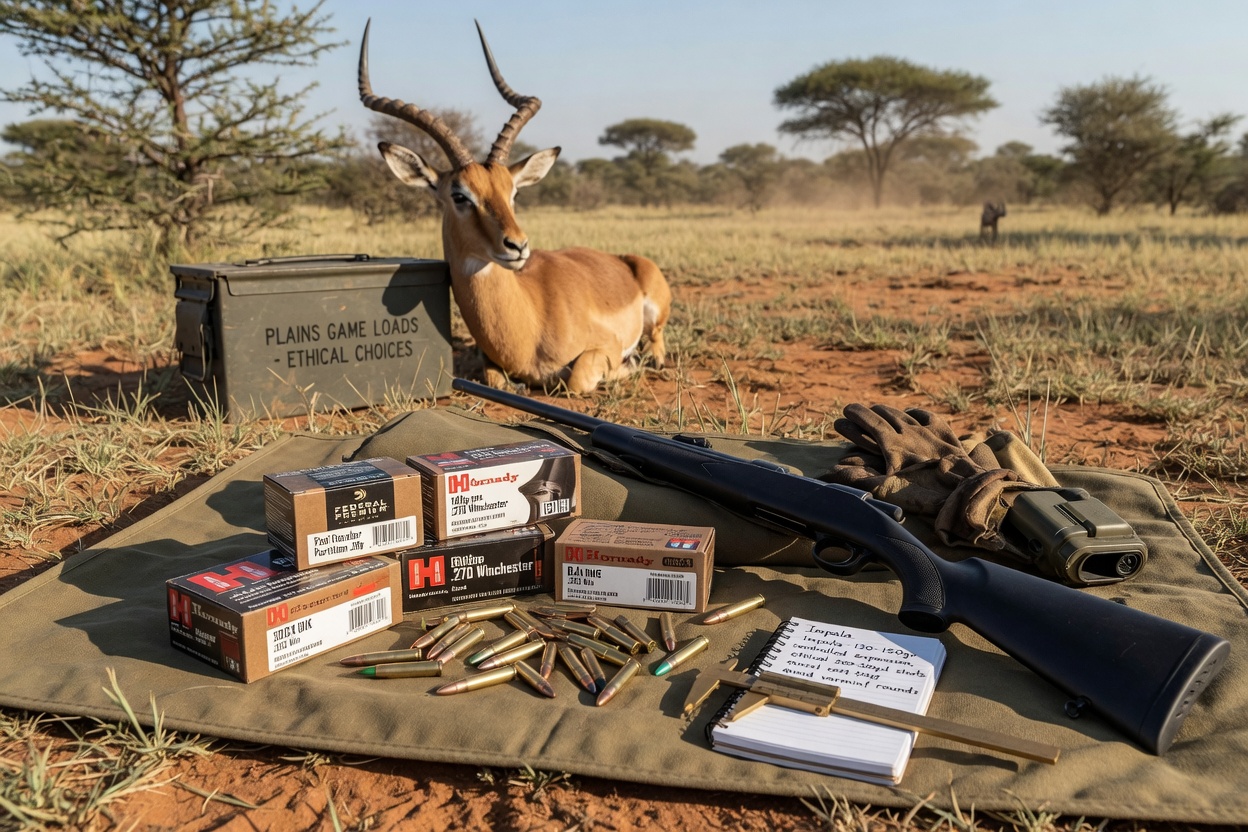
The .375 H&H Magnum remains the most popular all-around choice. It offers mild enough recoil for accurate follow-up shots in a bolt-action rifle weighing eight to nine pounds. Premium loads from Federal, Hornady, and Norma using 300-grain solids or bonded softs have taken thousands of buffalo cleanly. Pair it with a good scope in the 1-4x range or quality iron sights. Many hunters still prefer the classic open sights for speed in thick bush.
Step up to the .416 Rigby or .416 Remington Magnum and you gain noticeable authority. These push 400-grain bullets at 2,400 feet per second, generating over 5,000 foot-pounds. The larger diameter creates a bigger wound channel and better bone-crushing ability. The Rigby carries romantic history from the early 20th century, while the Remington fits standard-length actions more easily. Both shine with modern monolithic bullets that refuse to deform on heavy shoulder bones.
The .458 Lott deserves special mention as a modern upgrade over the older .458 Winchester Magnum. It drives 500-grain bullets faster and with more reliability in magazine rifles. Recoil is stout but manageable in a well-stocked rifle. Double-rifle fans often gravitate toward the classic Nitro Express cartridges such as .470 NE or .500 NE. These deliver two quick shots without working a bolt, a huge advantage if a buffalo is inside 30 yards and closing. Modern doubles from makers like Krieghoff or Heym chambered in these rounds remain popular among serious dangerous-game hunters, though they carry premium price tags.
Emerging options include the .450 Rigby and various wildcats built on the .378 Weatherby case, but stick with widely available factory ammunition for reliability in remote camps. Avoid the temptation of ultra-magnums that generate excessive recoil and muzzle blast. A hunter who cannot place a second shot accurately under stress is better served by a milder cartridge he shoots like an extension of his arm.
Bullet Selection and Construction
Caliber is only half the equation. Bullet construction decides whether that energy reaches the vitals. For Cape buffalo, most professional hunters now favor a combination approach: a soft-point or expanding solid for the first shot into the boiler room, followed by full-metal-jacket or homogeneous solids for insurance and bone. Monolithic copper or brass bullets from Barnes TSX, Cutting Edge, or North Fork have revolutionized performance over the last fifteen years. They retain nearly 100 percent weight and penetrate straight even after heavy bone impacts.
Traditional cup-and-core soft points can shed jackets and fail to reach the far side. Stick with premium controlled-expansion designs rated for dangerous game. Always carry at least two dozen rounds of your chosen load and zero the rifle with exactly those bullets. Temperature extremes in Africa can shift point of impact, so confirm zero on arrival.
Rifle and Setup Considerations
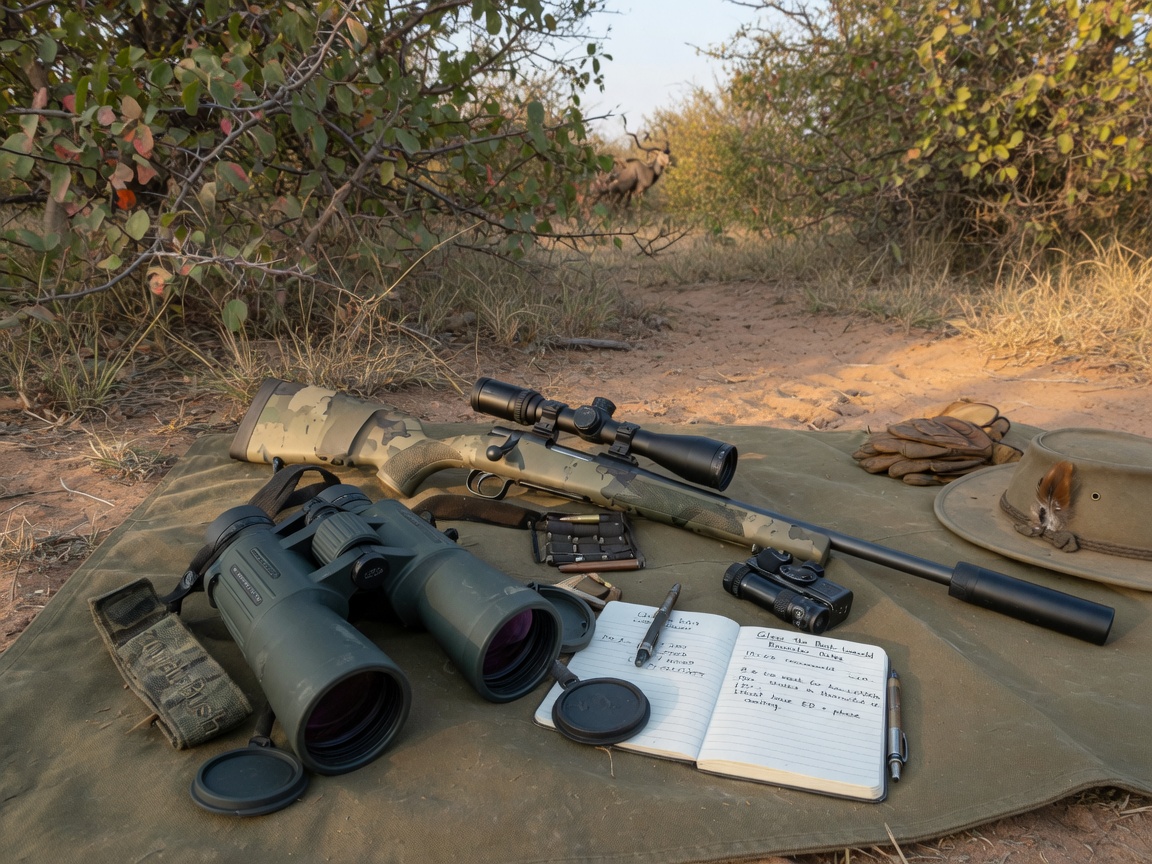
Bolt-actions dominate for good reason: reliability, accuracy, and magazine capacity of three to four rounds. Look for controlled-round-feed actions like the Winchester Model 70, Mauser 98 derivatives, or modern equivalents from CZ and Montana Rifle Company. A barrel length of 22 to 24 inches balances velocity and handling in thornbush. Weight should fall between 9 and 11 pounds scoped to soak up recoil without becoming a boat anchor on all-day stalks.
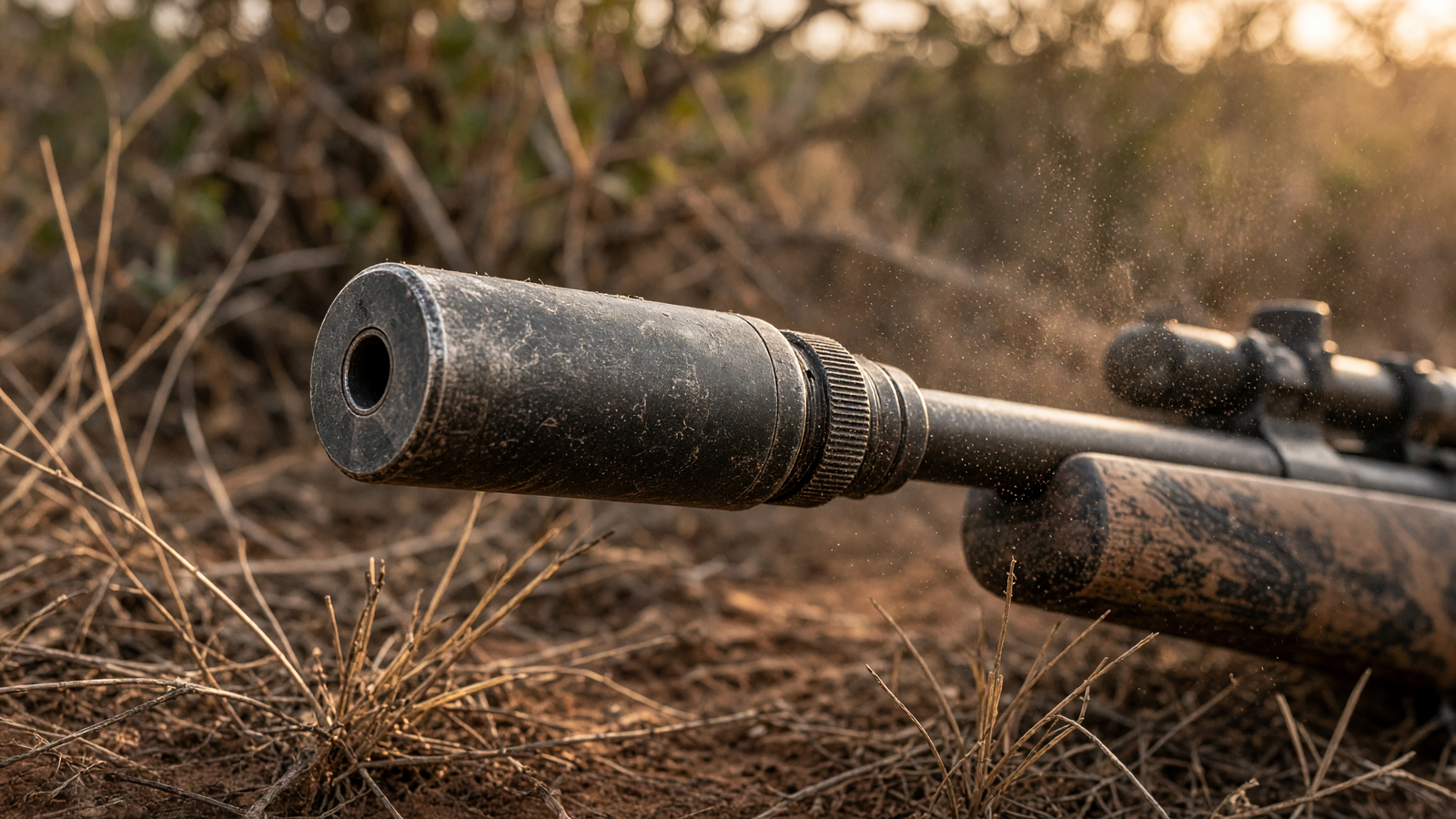
Double rifles offer unmatched speed for the second barrel but demand more practice to shoot well. Whatever platform you choose, fit is critical. Have a gunsmith adjust length of pull and cast so the rifle comes up naturally. A good recoil pad and possibly a muzzle brake help, though brakes increase noise and dust signature. Many hunters prefer unbraked rifles to avoid alarming nearby animals or camp staff.
Practical Tips from the Field
Practice shooting offhand, kneeling, and from shooting sticks until the motion is automatic. Buffalo rarely offer benchrest opportunities. Learn the vital zone thoroughly: the heart sits low and forward, protected by heavy bone. A high shoulder shot that breaks bone and disrupts the nervous system often drops them faster than a pure heart shot. Always be ready for the charge. Keep your PH informed of every shot and never approach a downed buffalo without confirming it is finished.
Carry a quality backup handgun in a serious caliber if local laws allow, though your rifle remains primary. Maintain your equipment religiously. Dust, heat, and rough handling punish firearms. A simple cleaning kit and spare firing pin can save a hunt.
Ethics, Conservation, and the Bigger Picture
Ethical hunters understand that proper caliber selection is a conservation tool. Clean kills mean less suffering and higher success rates, which translate into sustainable quotas and revenue for anti-poaching and habitat protection. Trophy fees from Cape buffalo hunts fund vast wildlife areas that would otherwise face agricultural pressure. By showing up prepared with adequate firepower and marksmanship, you honor both the animal and the local communities that steward these herds.
Never let budget force you into marginal equipment. Renting a proven dangerous-game rifle from a reputable outfitter is wiser than bringing an untested light caliber. Study recent hunting reports from PHASA and DSC resources to stay current on bullet performance and regulatory changes.
Choosing the right rifle caliber for Cape buffalo ultimately comes down to honest self-assessment. Can you handle the recoil of a .416 all day and still place shots under adrenaline? Does your chosen load penetrate a wet phone book stacked two feet thick in testing? If the answer is yes, you are ready for one of hunting's greatest adventures. Take the time to prepare, respect the animal, and you will walk away with memories and meat that last a lifetime while contributing to the future of African wildlife.
Ready to plan your buffalo hunt? Consult experienced outfitters, invest in quality practice, and select a caliber that leaves no doubt. The buffalo deserve nothing less, and neither do you. Share your own caliber experiences in the comments or reach out with questions. Tight lines and straight shooting.