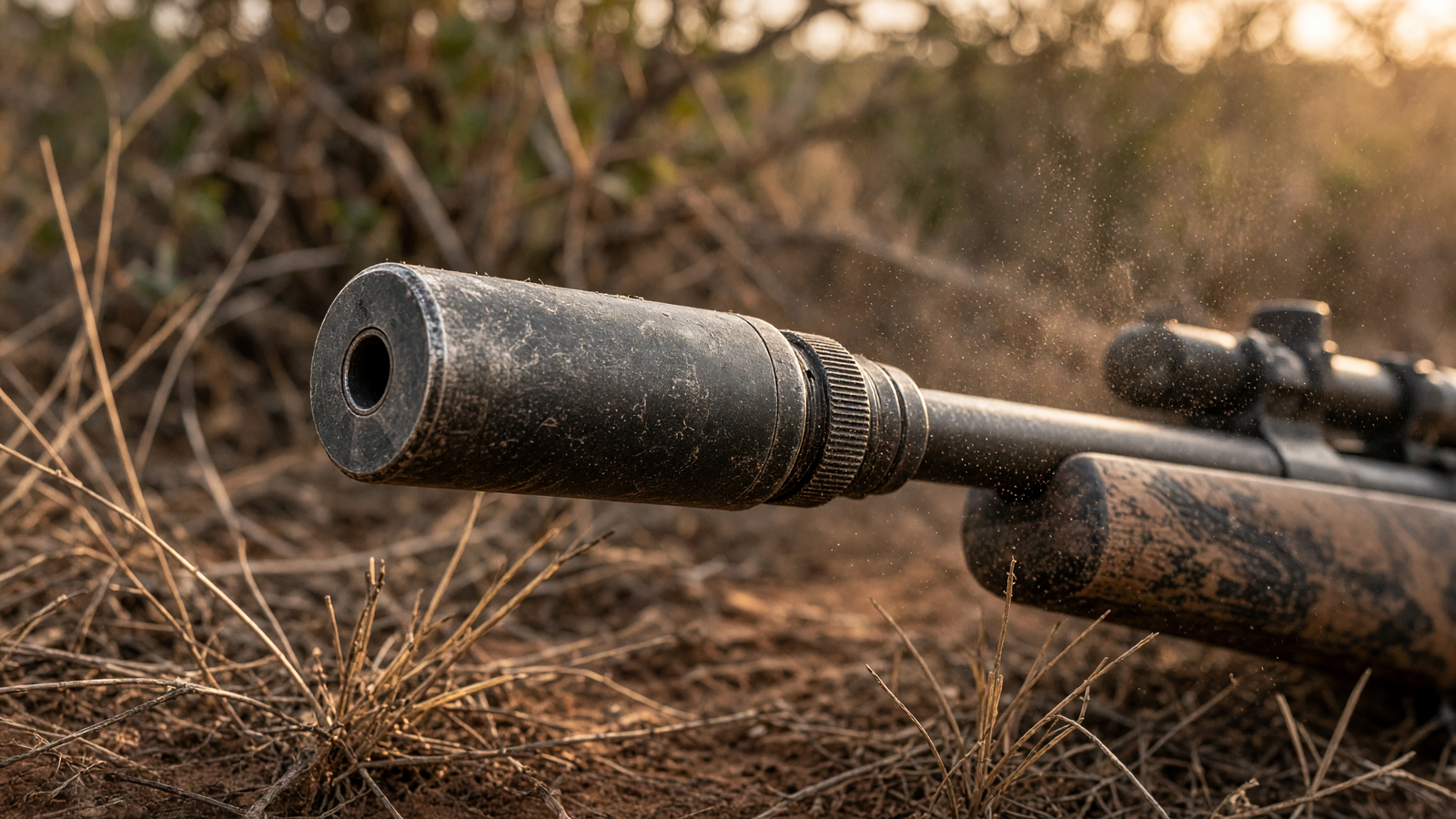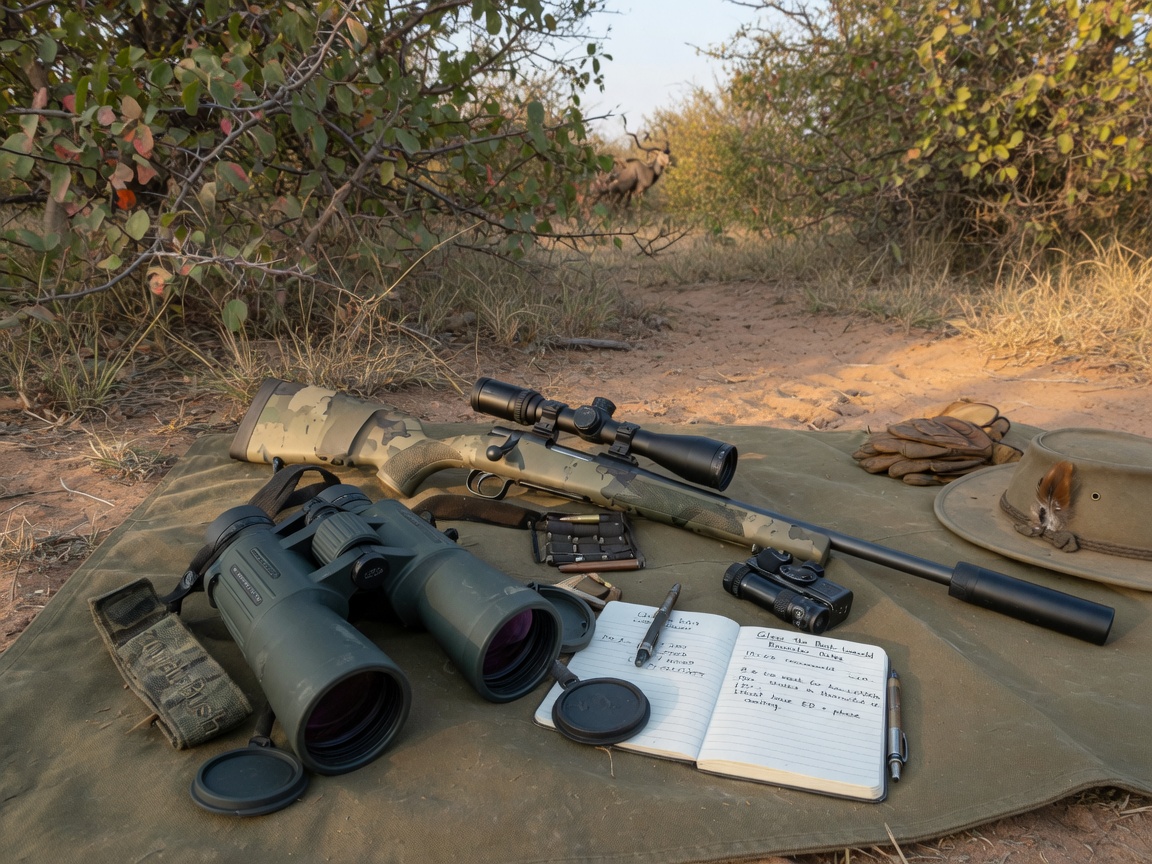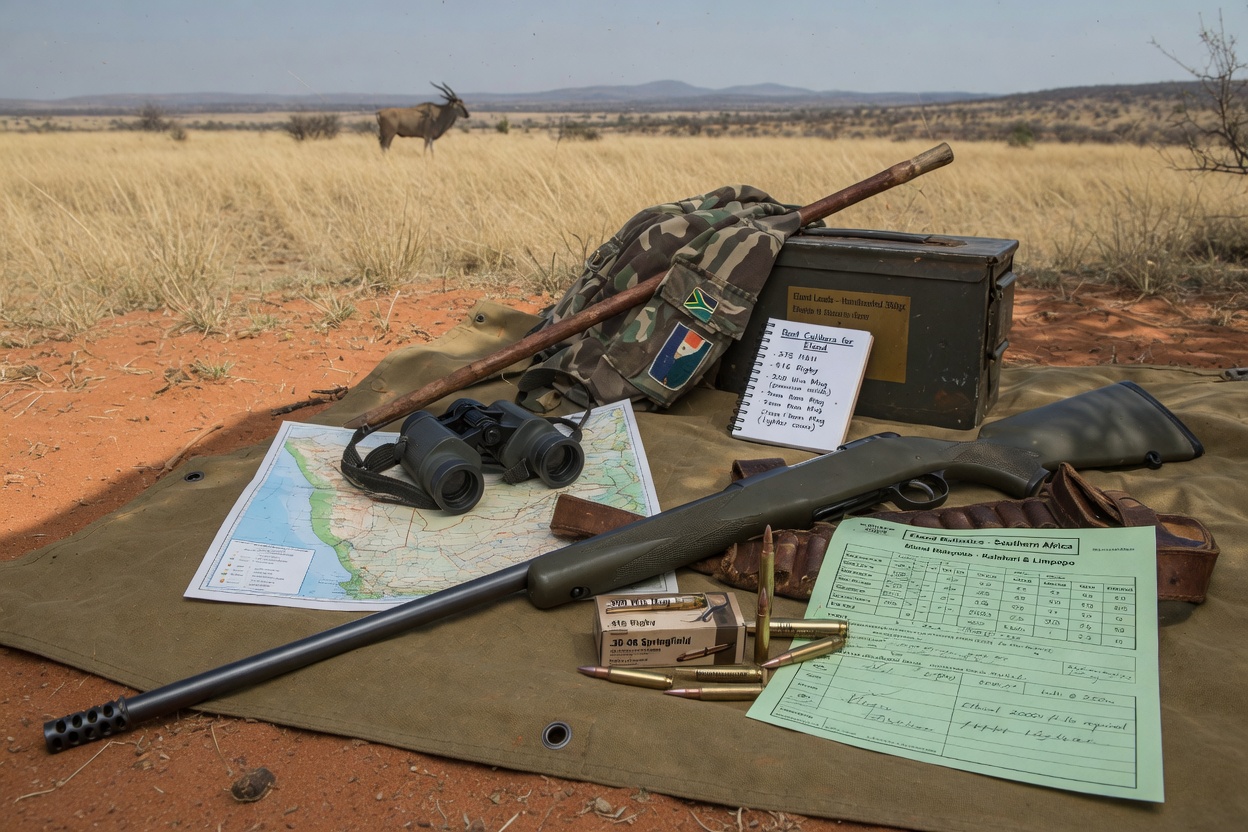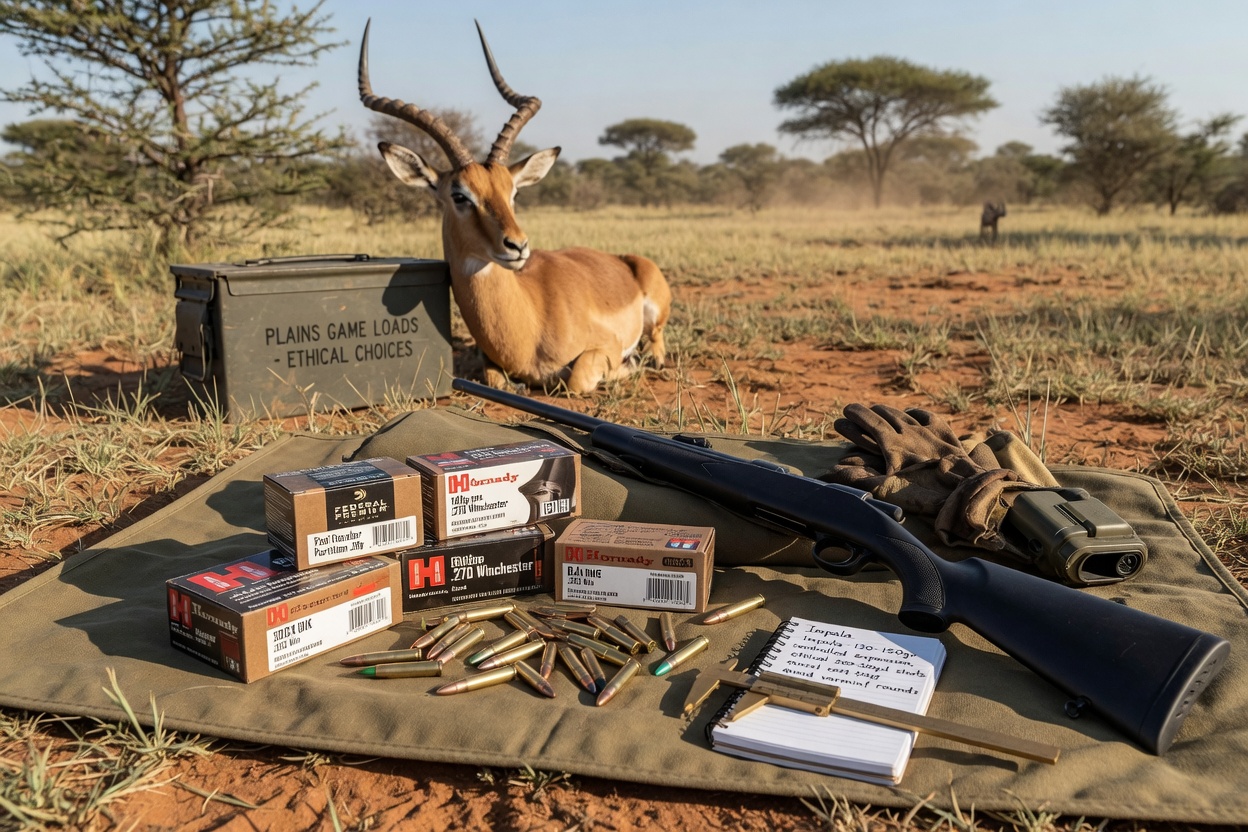
Hunting impala and small plains game such as springbok, blesbok, and gazelles ranks among the most rewarding experiences in African safari hunting. These animals combine speed, alertness, and graceful movement across open grasslands, demanding both marksmanship and thoughtful equipment choices. The right ammunition makes the difference between a clean, ethical harvest and a difficult tracking job that stresses the animal and the hunter. This guide draws on established hunting practices, ballistic data, and conservation principles to help you select ammo that performs reliably while supporting sustainable wildlife management.
Impala rams typically weigh 50 to 80 kilograms, with ewes lighter. Springbok and similar species run smaller, often 30 to 50 kilograms. All share thin hides, relatively light bone, and compact vital zones. A bullet must expand consistently to transfer energy and reach the heart-lung area without excessive fragmentation that ruins meat. Many professional hunters note that impala can absorb a poorly placed or underpowered shot and cover surprising distance before going down. Current recommendations from African hunting associations emphasize adequate sectional density and reliable expansion over raw power.
Caliber selection starts with legal minimums and practical performance. In South Africa and several other countries, the .243 Winchester or equivalent 6mm cartridge often represents the legal floor for these species. The .243 loaded with 80- to 100-grain bullets offers light recoil, a flat trajectory, and sufficient energy inside 250 yards. Many hunters appreciate how easy it is to shoot accurately from field positions. However, it leaves less margin on quartering shots or in wind.
The 6.5 Creedmoor has become a standout modern choice. Its high ballistic coefficient bullets, typically 120 to 140 grains, retain velocity and resist wind drift better than older designs. Factory loads from major manufacturers now deliver consistent expansion at typical plains-game ranges of 150 to 300 yards. Recoil remains mild enough for most shooters to stay on target for a follow-up if needed. The .270 Winchester with 130-grain bullets remains a time-tested option that balances speed and terminal performance. The .308 Winchester using 150-grain loads provides versatility if you already own one and plan mixed hunting.
Avoid extremes. Cartridges smaller than 6mm frequently lack the energy and penetration needed for consistent results, especially beyond 200 yards. Heavy magnums generate unnecessary recoil and can destroy too much meat on animals this size. Recent years have seen growing interest in the 7mm-08 and 6.5 PRC for hunters who want extra reach without excessive blast. Always match the cartridge to your rifle’s twist rate so the chosen bullet stabilizes properly.
Bullet construction matters as much as caliber. Traditional cup-and-core soft points expand readily but can shed too much weight. Bonded designs such as the Nosler Accubond or Swift Scirocco hold together better, driving deeper while still opening up. Polymer-tipped bullets like the Hornady SST or Federal Terminal Ascent combine accuracy with rapid expansion, producing quick kills when shot placement is good. For hunters facing lead restrictions or preferring environmentally responsible options, copper monometal bullets such as the Barnes TTSX or Hornady CX expand reliably and retain nearly all their weight. Independent tests by hunting organizations have shown these modern expanding bullets achieve high one-shot kill percentages when paired with proper shot placement.
Consider the hunting conditions. Open plains often mean wind and longer shots, so a high-ballistic-coefficient bullet helps. High-altitude veldt in parts of southern Africa slightly increases velocity, which can affect point of impact; confirm your zero on location. Heat and dust demand ammunition stored in sealed containers to maintain consistency. Factory loads from reputable makers generally provide the uniformity most hunters need, though experienced handloaders can tailor performance further.
Ethical hunting remains the foundation. No cartridge compensates for a poorly placed shot. Aim for the heart-lung zone just behind the shoulder, allowing for the animal’s movement. Impala often stand broadside or slightly quartering; wait for a clear presentation rather than forcing a rushed shot. Quality optics, a solid rest or shooting sticks, and regular practice from realistic field positions all contribute more to success than any single load. Wounding rates drop dramatically when hunters know their effective range and refuse shots beyond it.
Conservation ties directly to these choices. License fees and hunting revenue fund anti-poaching patrols, habitat work, and community programs across Africa. Using ammunition that produces clean kills reduces waste and demonstrates respect for the resource. Many operators now encourage or require lead-free options in sensitive areas, reflecting broader environmental awareness. By selecting proven, appropriately powered loads you support both the hunt and the long-term health of plains-game populations.
In practice I have watched well-chosen 6.5 Creedmoor loads drop impala rams cleanly at 220 yards with minimal meat damage, allowing full recovery of both trophy and table fare. I have also seen lighter, poorly constructed bullets fail to expand, turning a straightforward hunt into hours of tracking. The lesson is consistent: match the tool to the task and the conditions.
Before any safari, verify local regulations, discuss loads with your professional hunter, and confirm your rifle’s zero. Practice until the rifle, ammunition, and shooter form a reliable system. Quality ammunition from established manufacturers, combined with disciplined shooting, produces the ethical outcomes that define responsible hunting.
Share your own experiences with plains-game ammunition in the comments. Whether you favor a classic .270 or a modern 6.5, your insights help fellow hunters. When you plan your next trip, choose operators who prioritize conservation and ethical standards. The right ammo, used correctly, honors both the animal and the tradition of fair-chase hunting.