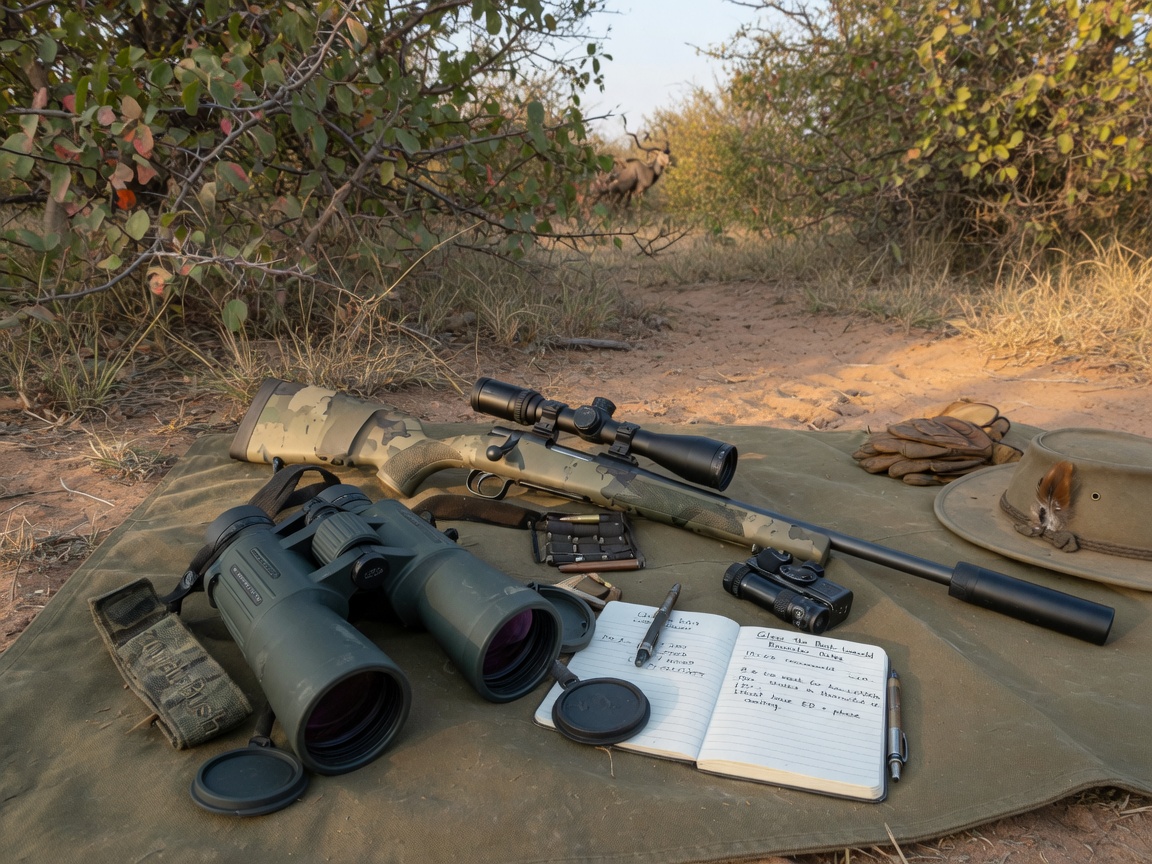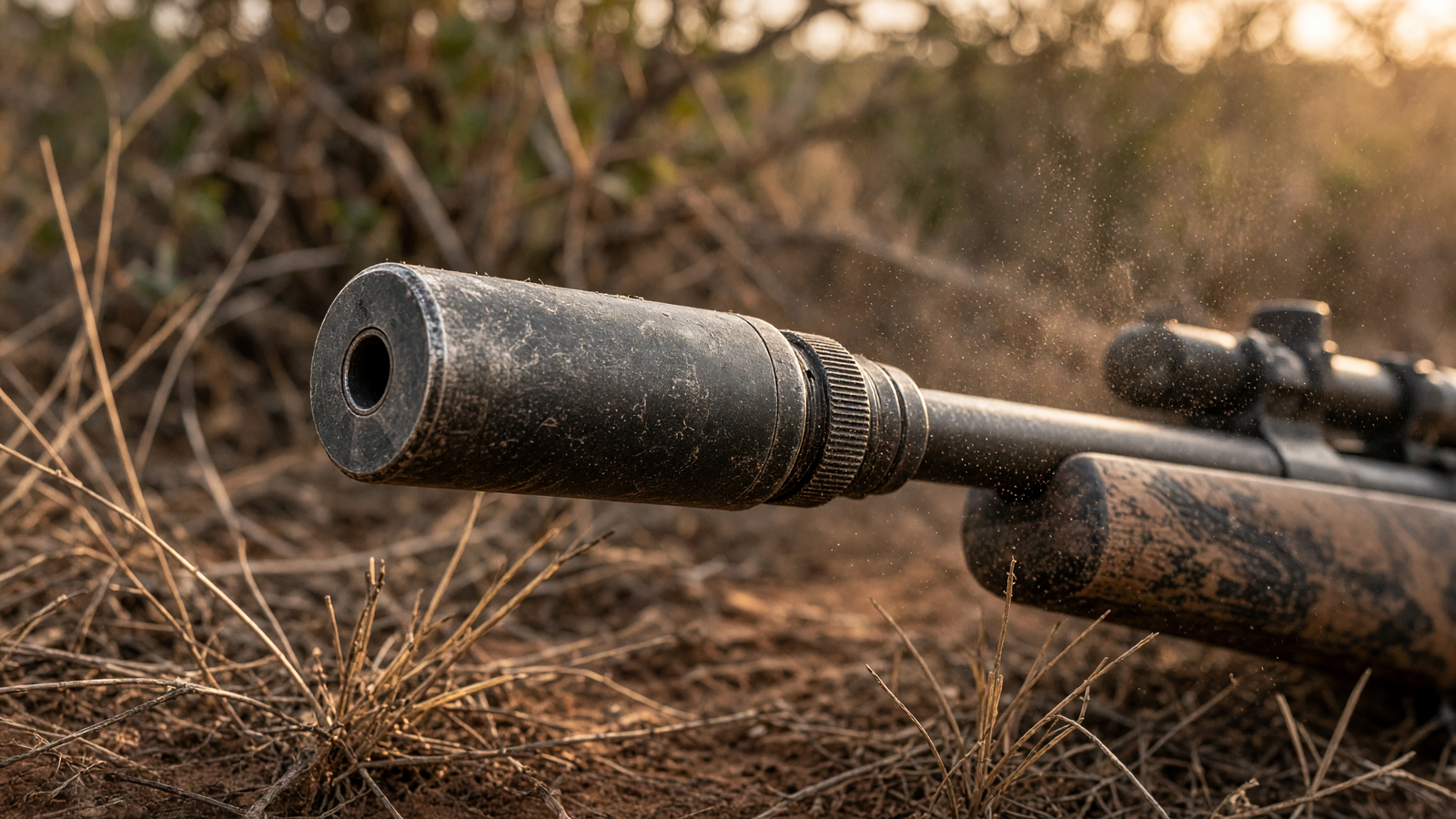
Hunting in South Africa offers some of the world's most rewarding experiences, from tracking kudu through the bushveld to waiting in a blind for a warthog at last light. As equipment evolves, more hunters are turning to suppressors to enhance their time afield. These devices, also called silencers, have transformed how we approach ethical hunting by cutting noise and protecting our senses. But before you mount one on your rifle for a South African adventure, you need a clear picture of the rules and real-world benefits. This guide breaks it all down for hunters who value preparation, conservation, and clean kills.
Suppressors work by trapping and slowing the escaping gases from a fired cartridge, which dramatically lowers the muzzle blast. They do not make a gun Hollywood-quiet, especially with supersonic hunting ammunition, but they reduce the sound signature enough to make a noticeable difference. On the open plains or in thick cover of South Africa, that reduction matters. Many professional hunters and outfitters now run suppressed rifles as standard because the advantages stack up quickly for both resident and visiting sportsmen.
First, understand the legal landscape. Under South Africa's Firearms Control Act 60 of 2000, a suppressor is classified as a firearm. That means you cannot simply buy and own one without proper authorization. You must hold a competency certificate and then apply for a dedicated license through the Central Firearms Registry. The application process mirrors that of a regular firearm and includes background checks, motivation for ownership (hunting is an accepted reason), and secure storage requirements. Once licensed, the suppressor is linked to you and must be transported and stored according to the same strict rules as any other firearm.
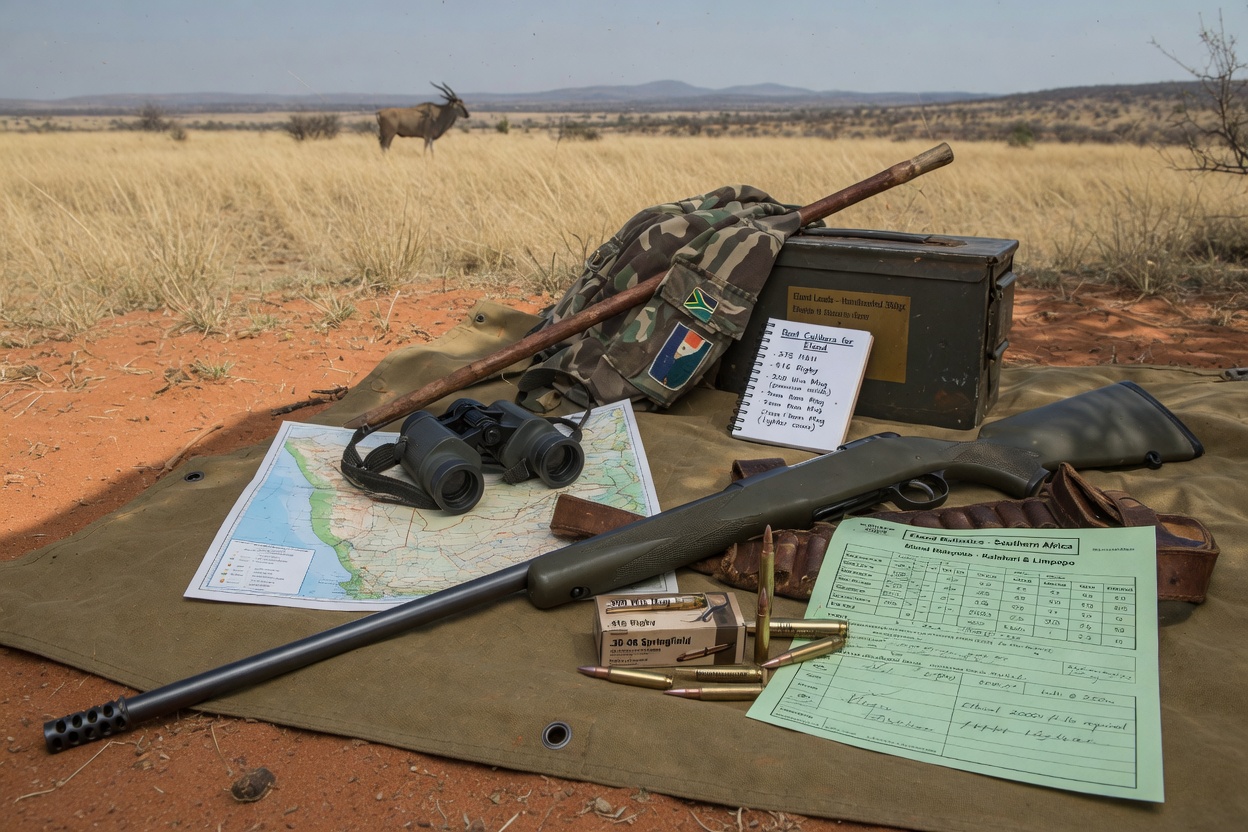
For South African residents, this is straightforward if you already own hunting rifles. For international hunters, the picture changes. Bringing your own suppressor into the country involves import permits that are often time-consuming and sometimes denied. Most visiting hunters simply use the suppressed rifles provided by their outfitter or professional hunter. Reputable operators across Limpopo, Eastern Cape, and KwaZulu-Natal keep well-maintained suppressed rifles chambered in popular calibers such as .308 Winchester, .30-06, and .375 H&H. Always confirm with your outfitter well in advance and declare any equipment properly at customs. Regulations can be updated, so verify the latest requirements with the South African Police Service Firearms, Liquor and Second-Hand Goods Control or a qualified firearms lawyer before your trip. Ignorance of the law is never a defense, and penalties for unlicensed possession are severe.
The benefits of hunting suppressed in South Africa go far beyond simply making less noise. Hearing protection tops the list. Repeated exposure to unsuppressed rifle blasts causes permanent hearing damage. Traditional ear muffs or plugs help, but they also block the soft sounds of approaching game, whispered instructions from your PH, and the rustle of leaves that signal a shifting wind. A quality suppressor brings the report down to levels that are far less harmful, letting you hunt with minimal or no additional ear protection while still hearing the bush around you. Over a week-long safari with multiple shot opportunities, that difference preserves your hearing for decades of future hunts.
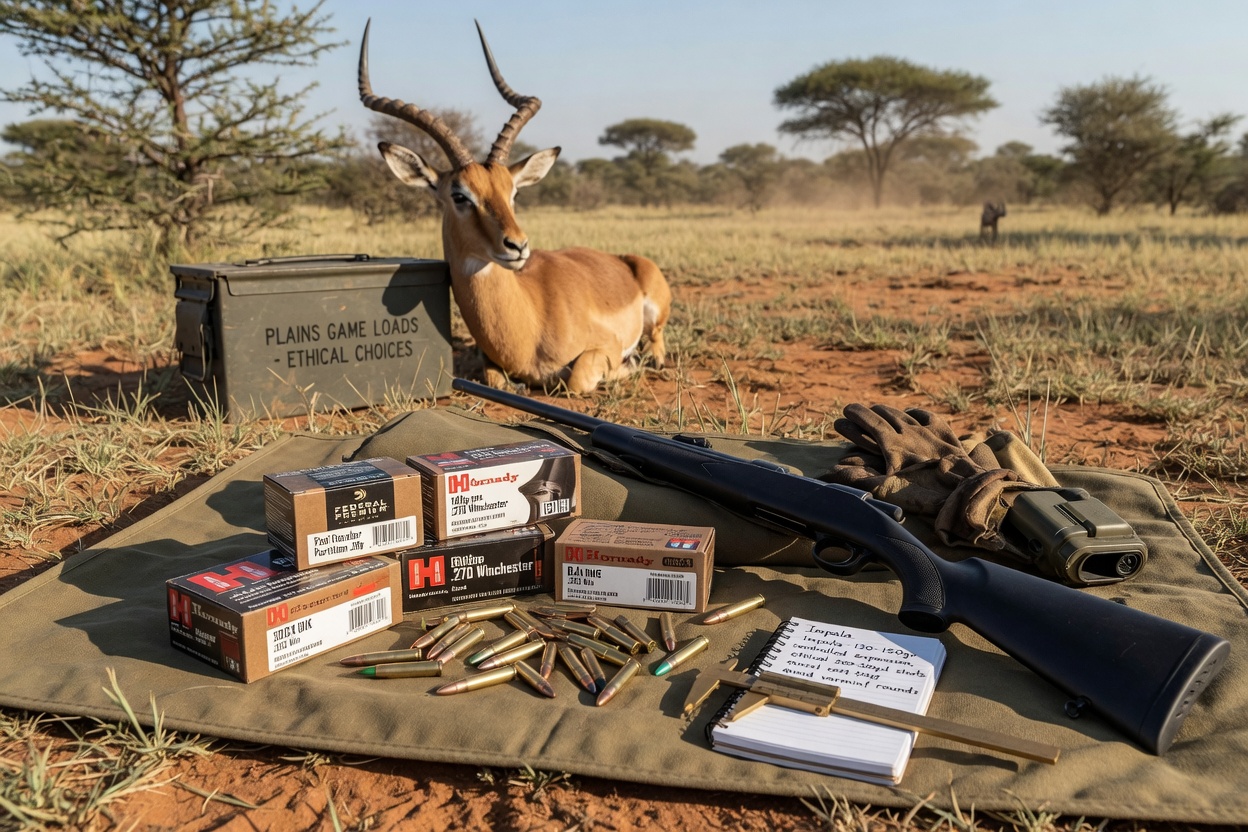
Reduced noise also means less disturbance to the animals and the environment. On a busy game farm, an unsuppressed shot can send every animal within a kilometer into flight mode. A suppressed shot often allows the rest of the herd to settle quickly, opening the door for a follow-up opportunity or a shot at a different animal without relocating. This is especially valuable when hunting impala, springbok, or blesbok in open terrain. From a conservation standpoint, quieter hunting lowers stress on non-target species and reduces the overall human footprint during the hunt. Ethical hunters care about clean, efficient harvests that support sustainable populations, and suppressors help achieve exactly that.
Accuracy and shooter comfort improve as well. Suppressors add weight to the muzzle, which dampens recoil and muzzle rise. Follow-up shots become faster and more controlled. Many hunters report tighter groups once they adjust to the slightly shifted balance and point of impact. Always re-zero your rifle after attaching a suppressor and confirm the point of impact with the exact ammunition you will use on hunt. In the field, that extra control can mean the difference between a perfect shoulder shot and a marginal hit when adrenaline spikes.
Practical tips make the most of suppressed hunting. Choose a suppressor rated for your caliber and designed for hunting rather than purely tactical use. Look for models that handle the heat of several rapid shots without excessive point-of-impact shift. Keep it clean; carbon buildup is real, especially with high-volume plains-game hunting. Learn to shoot with the altered report so you can call your own shots by watching the animal's reaction instead of flinching from the blast. Communicate clearly with your PH. Hand signals and quiet verbal cues become even more important when the rifle is quieter. Finally, respect the landowner's rules. Some properties encourage suppressors; a few may still restrict them in certain areas near lodges or livestock.
There are a few trade-offs to weigh. Suppressors add length and weight, which can matter during long stalks through thick thornbush. They also require extra care during travel and daily cleaning. Heat mirage after a shot can temporarily blur the scope picture, so practice your rhythm. And while the legal process in South Africa is manageable, it demands patience and paperwork. None of these drawbacks outweigh the gains for most serious hunters.
I have watched clients who were initially skeptical become complete converts after one morning hunt with a suppressed .308. The ability to take a precise shot at a trophy kudu without sending the entire valley into chaos, then quietly discuss the next move with the tracker, changes the entire pace and enjoyment of the day. It feels more connected to the old ways of hunting while using modern tools responsibly.
As hunters we carry a duty to pursue game ethically, protect our own health, and leave the resource in better shape than we found it. Suppressors support all three goals when used within the law. They are not a magic solution or a substitute for marksmanship and woodsmanship, but they are a valuable piece of equipment that belongs in the conversation for any South African hunt.
If you are planning a safari, talk to your outfitter about suppressed options during the booking stage. Residents should start the licensing process early through legal channels. Stay updated on any regulatory changes, support conservation organizations that fund anti-poaching and habitat work, and always put the shot placement and animal welfare first. The bush rewards those who prepare thoroughly and hunt with respect. Get out there, keep the noise down, and make every hunt count.