Planning Your First Safari Hunt
Planning an African safari hunt is one of the most rewarding experiences a hunter can undertake, and southern Africa remains the premier destination for first-time safari-goers. South Africa, Namibia, Botswana, Zimbabwe, Zambia and Mozambique offer diverse biomes, reliable infrastructure and a wide range of plains game and dangerous game opportunities. Success depends on careful preparation that matches the realities of the Kalahari, Limpopo bushveld, Eastern Cape thickets, Karoo scrub, Lowveld, Highveld and Namib desert rather than assumptions borrowed from other continents.
Choosing the right outfitter is the single most important decision you will make. Look for operators who hold current concessions or landowner agreements in the specific country and hunting area you prefer. Verify that they are properly licensed by the relevant national authority, whether that is South Africa’s provincial nature conservation departments, Namibia’s Ministry of Environment, Forestry and Tourism, or the equivalent bodies in Botswana, Zimbabwe, Zambia and Mozambique. Ask for recent references from hunters who pursued the same species you want—kudu, impala, gemsbok, springbok, blue wildebeest, warthog, eland, nyala, buffalo or sable—and cross-check those references independently. Membership in reputable organisations such as Safari Club International or local professional hunting associations can be a useful indicator, but it is no substitute for speaking directly with past clients. Clarify exactly what the daily rate covers: professional hunter, trackers, skinners, accommodation, meals, vehicle use and field preparation of trophies. Trophy fees are almost always additional and vary significantly by species and country, so obtain a current price list in writing before you book.
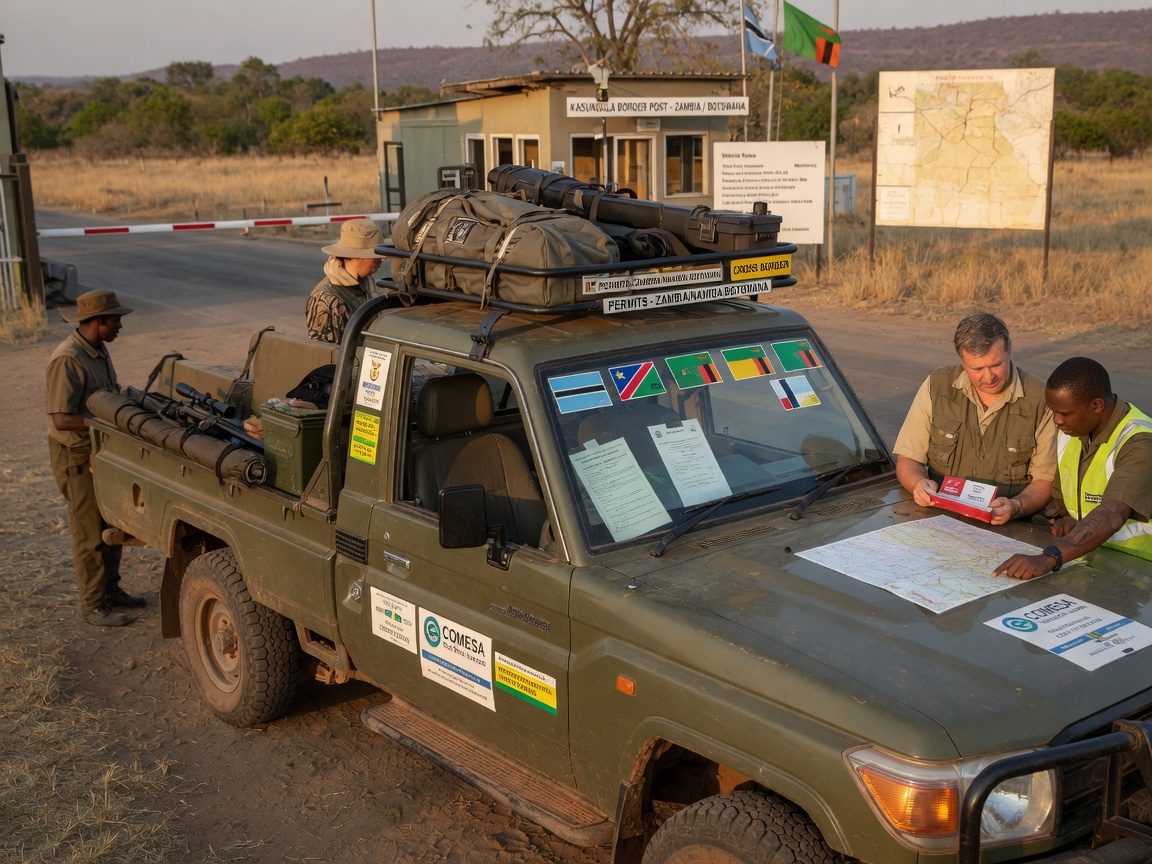
Documentation requirements are straightforward but non-negotiable. Your passport must remain valid for at least six months beyond your departure date. Most southern African countries require a hunting licence and species-specific permits arranged through your outfitter; in South Africa these are often handled at provincial level, while Namibia and Botswana have centralised systems. If you intend to bring your own rifle, begin the import permit process early. South Africa requires a temporary import permit facilitated by your outfitter and a SAPS 520 form; Namibia and Zimbabwe have their own police and customs procedures. Many first-time hunters elect to rent a proven rifle from the outfitter—commonly a .30-06, .300 Winchester Magnum or .375 H&H—to avoid paperwork and airline complications. Travel insurance that includes emergency medical evacuation is essential; distances to advanced care can be considerable in remote concessions. Yellow fever vaccination certificates are required if you are arriving from or transiting through endemic zones, and some operators recommend hepatitis and typhoid cover as well.
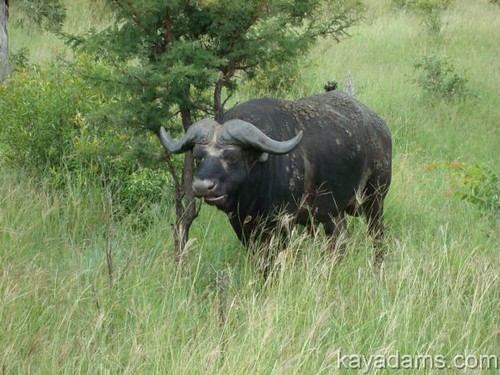
Calibre selection should be matched to the animals on your list and the terrain. For classic plains game such as kudu, gemsbok, eland and wildebeest, a well-constructed .30-calibre or 7mm Magnum bullet in the 160–180 grain range is entirely adequate when shot placement is correct. Buffalo and larger dangerous game demand a minimum of .375 H&H or equivalent, and many professional hunters prefer clients to use .416 or larger for Cape buffalo in the Lowveld or Zambezi Valley. Practise extensively from field positions—sitting, kneeling and off shooting sticks—because freehand standing shots are uncommon. Understand that ammunition import limits exist in several countries; bringing a modest quantity of premium soft-points and solids, or confirming that your outfitter stocks your preferred loads, prevents last-minute problems. Always confirm that a backup rifle will be available in camp.
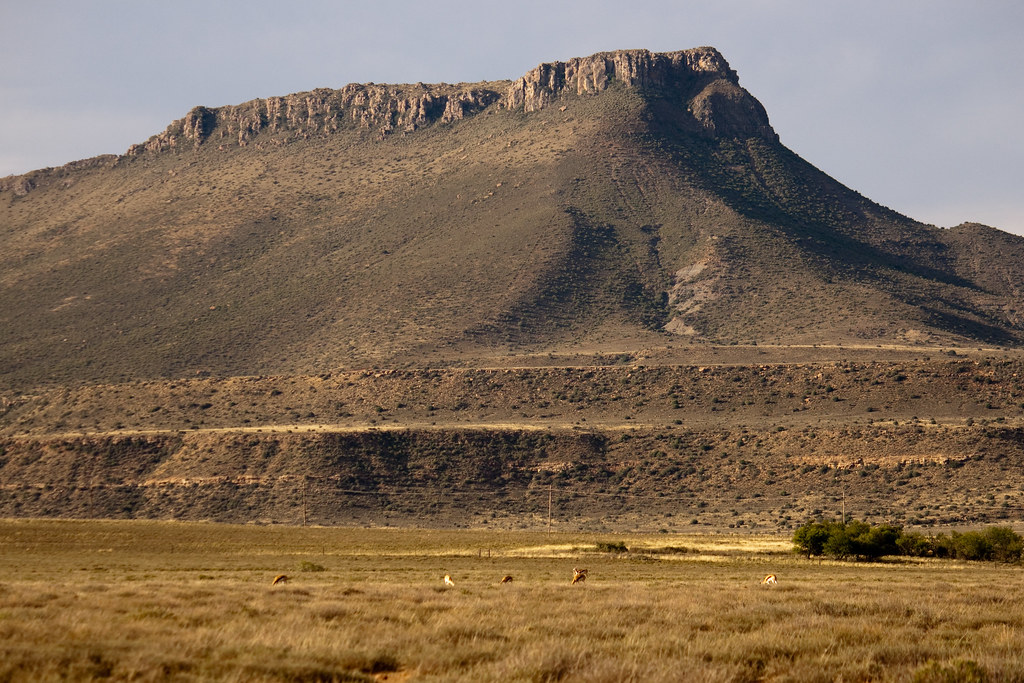
Physical preparation pays dividends in the thick thornveld of the Limpopo, the sandy going of the Kalahari or the rocky slopes of the Eastern Cape and Karoo. Begin a fitness programme months ahead that emphasises walking with a daypack and strengthening legs and core. Many hunts involve tracking on foot for several kilometres across uneven ground, sometimes in heat exceeding 35°C. If you will hunt at higher elevations on the Highveld or in parts of Namibia, allow time to acclimatise. Discuss any medical conditions with your doctor and ensure you carry an adequate supply of personal medications, plus a basic first-aid kit. Know the location of the nearest clinic or hospital relative to your hunting area and confirm that your outfitter has an evacuation plan.
Packing should be practical and climate-appropriate. Broken-in, ankle-supporting hunting boots are mandatory; new boots are a recipe for blisters. Neutral colours—khaki, olive and light brown—are preferred; some countries restrict or discourage military-style camouflage. Lightweight long-sleeved shirts and trousers protect against sun and thorns, while a warm jacket is useful for cold Highveld or desert mornings. A quality pair of 8× or 10× binoculars and a reliable rangefinder will see daily use. Sun hat, high-SPF sunscreen, lip balm and polarised sunglasses are essential across the region. Leave cotton-heavy clothing at home in favour of modern quick-dry fabrics that handle sweat and sparse laundry facilities.
Budget realistically. Daily rates for plains-game safaris in South Africa and Namibia are generally more accessible than those in Botswana or prime areas of Zimbabwe and Zambia, but trophy fees for sought-after animals such as sable, roan or big kudu add up quickly. Set aside funds for tips—customarily given to the professional hunter, trackers, skinners and camp staff at the end of the hunt—plus dipping, packing, taxidermy and international shipping of trophies. International flights, internal charters or long road transfers, visas where required, and any pre- or post-hunt lodging must also be factored in. A clear written contract that itemises every expected cost protects both you and the outfitter.
Shot placement knowledge is critical. Study the anatomy of southern African species: the heart-lung area on a kudu bull sits differently relative to the shoulder than on a North American deer, and a gemsbok’s heavy shoulder bone demands precise shot selection. Practise on life-sized targets when possible and be prepared for quartering angles common when animals feed in open Kalahari or Karoo terrain. Listen to your professional hunter; conditions of light, distance, wind and animal demeanour often mean the correct decision is to wait or pass. Ethical first-time safari hunters return home with cleanly taken trophies and the respect of the staff who worked with them.
Seasons matter. In South Africa the hunting year runs year-round on many properties, but the driest and most comfortable months for plains game typically fall between April and October. Namibia’s winter season offers excellent visibility in the bushveld and desert. Botswana, Zimbabwe, Zambia and Mozambique have more defined seasons tied to rainfall and concession rules—confirm exact dates with your outfitter so that you arrive when animals are concentrated near water and vegetation is thinner. Night hunting and the use of artificial lights are tightly regulated or prohibited for most species; rely on your PH for legal methods.
A well-planned first safari in southern Africa delivers far more than animals on the salt. It introduces you to tracking skills refined over generations, camp life under vast skies, and the particular satisfaction of earning a kudu bull in the Limpopo or a gemsbok on the red Kalahari sand. Invest the time in research, physical readiness and clear communication with a reputable outfitter, and the memories will last a lifetime.