Landing in Johannesburg for your first South African safari is a moment that stays with you forever. The hum of the engines fades, the cabin lights brighten, and suddenly you are on the gateway continent to some of the finest ethical hunting experiences on earth. For beginners, OR Tambo International Airport is far more than a transit point. It is the start of a carefully planned adventure that blends world-class wildlife management with responsible hunting traditions. This guide walks you through everything you need to know so your arrival feels smooth, safe, and exciting rather than overwhelming.
South Africa remains one of the top destinations for first-time African hunters because of its excellent infrastructure, diverse game species, and strong conservation model. Hunting here generates significant funding for habitat protection and anti-poaching efforts. According to industry reports from organizations like the Professional Hunters’ Association of South Africa, well-regulated safari hunting contributes millions annually to rural economies and wildlife conservancies. When you fly into Johannesburg, you are stepping into that system. Preparation is the difference between a stressful entry and a confident start.
Before you even board your international flight, confirm your documentation. Most travelers from the United States, Canada, United Kingdom, European Union, Australia, and many other countries receive a free 90-day visitor visa on arrival. Always double-check the latest requirements on the South African Department of Home Affairs website or with your outfitter, as rules can shift. Your passport should be valid for at least 30 days beyond your planned departure and contain two blank pages. Print dual copies of your hunting itinerary, proof of return ticket, and lodge confirmation. Keep digital backups on your phone.
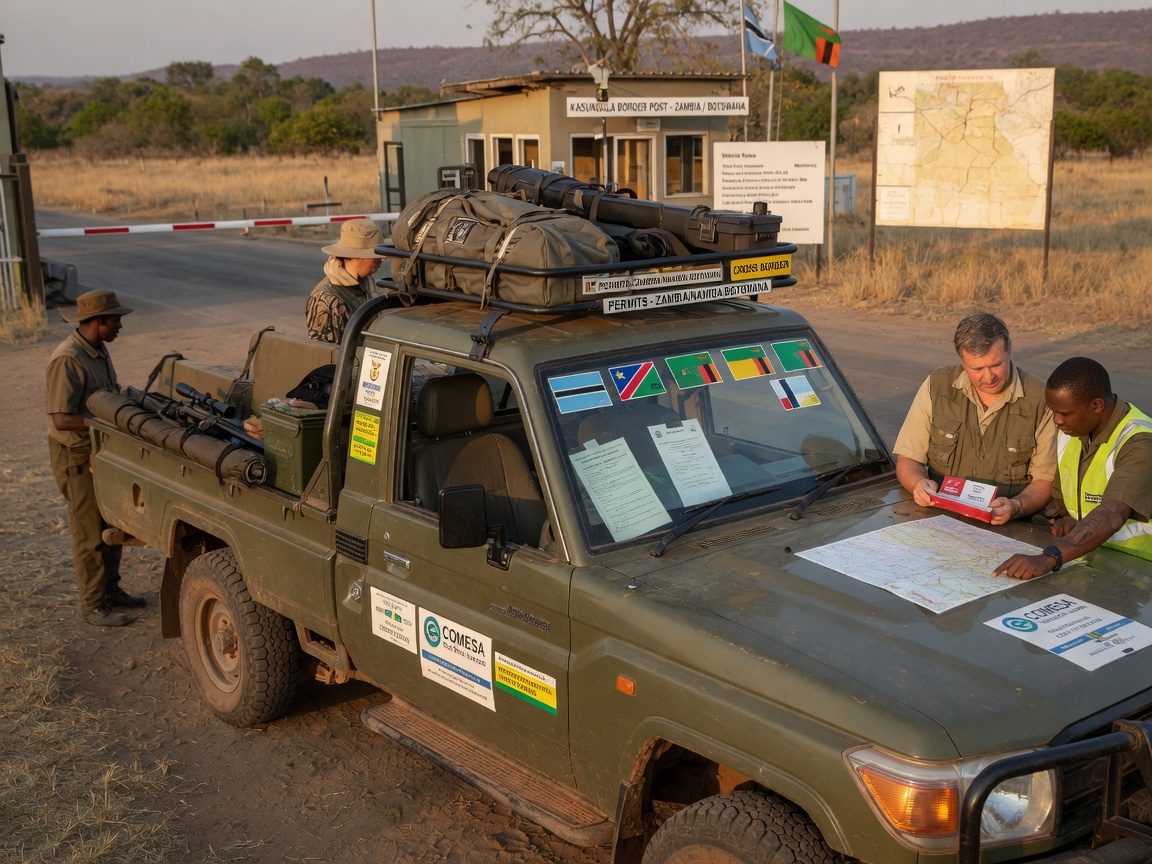
If you are bringing your own rifle, start the firearm process early. South Africa requires a temporary import permit. Work with your professional hunter or booking agent at least eight to twelve weeks ahead. You will complete a SAPS 520 application, provide a letter of invitation from your outfitter, rifle details including serial numbers, and proof of ownership. Many hunters now use established clearance agents at OR Tambo who meet you airside. Recent streamlined procedures have reduced wait times, but never assume walk-up approval. Declare everything honestly. Ammunition is limited, typically 50 to 100 rounds depending on caliber, and must be stored separately in locked containers. Soft cases or hard cases meeting airline standards are essential. Ethically, only bring a rifle you shoot accurately and that matches the game you pursue. Overgunning or undergunning both create unnecessary risk to animals and the integrity of the hunt.
Upon landing at OR Tambo, follow the signs for international arrivals. The airport is modern and well-signed in English. Immigration lines move steadily; have your forms ready and answer questions clearly. Once through, collect your baggage and proceed to customs. If traveling with firearms, your agent or outfitter representative will usually be waiting with the necessary paperwork. Without firearms the process is straightforward. Currency exchange desks and ATMs are available in the arrivals hall. The South African rand is the local currency. Credit cards are widely accepted at hotels and larger lodges, yet carrying some cash for tips and small purchases is wise. Avoid unofficial money changers.
Jet lag is real after long-haul flights from North America or Europe. Most safari operators recommend an overnight in Johannesburg or nearby to rest and reset. Many first-timers stay at airport hotels or in the secure northern suburbs such as Sandton. This buffer night lets you gather supplies, confirm final transfer details, and adjust to the time zone. Drink plenty of water on the plane and upon arrival. South African tap water in cities is generally safe, though bottled water is everywhere if you prefer.
Transfers to your hunting area vary by destination. Popular beginner-friendly regions include Limpopo, the Eastern Cape, and parts of KwaZulu-Natal or the Free State. Some lodges arrange direct road transfers lasting three to six hours. Others book short commercial or charter flights to regional airstrips. Your outfitter handles the logistics. Confirm vehicle type, air conditioning, and estimated travel time beforehand. Pack a small day bag with essentials: medications, a change of clothes, binoculars, and any valuables. Main luggage travels separately in most cases.
Health considerations matter. Consult a travel clinic four to six weeks before departure. Routine vaccinations should be current. Yellow fever certificates are required only if you transit through certain endemic countries. Malaria risk exists in low-lying northern and eastern areas, especially during warmer months. Your doctor may prescribe prophylactics. Pack a basic first-aid kit, insect repellent containing DEET, and any personal prescriptions in original containers. Sun protection is non-negotiable. The African sun is intense even in winter months of May through August, the prime hunting season for many plains game species.
Safety in Johannesburg follows common-sense big-city rules. Stick to arranged transport. Do not flash expensive gear or cash. Most safari clients move quickly from airport to lodge under professional care and encounter no issues. Once in the bush, listen to your professional hunter. They know the land, the animals, and the protocols that keep everyone safe while prioritizing clean, ethical shots.
Packing smart makes the difference. Neutral clothing in greens, browns, and khakis blends into the environment. Bring layers because mornings can be crisp and midday warm. A good pair of broken-in boots, a wide-brimmed hat, quality binoculars, and a reliable headlamp round out the essentials. Leave camouflage patterns that resemble military designs at home; they can cause unnecessary attention at borders. Many lodges offer daily laundry, so you do not need an enormous wardrobe.
As a first-timer, embrace the learning curve. South African hunting culture values respect for the animal, fair chase principles, and full use of harvested game. Meat feeds local communities and staff. Skins and horns are handled according to your wishes and CITES rules where applicable. Ask questions. A good professional hunter enjoys mentoring newcomers. Discuss shot placement, tracking, and the role hunting plays in conserving species such as impala, kudu, wildebeest, and warthog that thrive under sustainable quotas.
Recent years have seen continued investment in wildlife corridors and community conservancies. Choosing an outfitter who is a member of reputable associations ensures your hunt supports these efforts rather than undermines them. Verify references, look for transparent pricing, and confirm that the operation follows national hunting regulations. This diligence protects both you and the resource.
Your first evening in camp will likely include a briefing, rifle check, and a traditional braai under wide African skies. Take a moment to absorb it. The journey that began with a flight into Johannesburg has delivered you to a place where conservation and hunting walk hand in hand. Soak up the stories, practice safe gun handling, and prepare for early mornings filled with possibility.
Ready to turn this information into reality? Reach out to a trusted South African outfitter today, finalize your dates, and start the paperwork. The bush is waiting, and with the right preparation your arrival in Johannesburg will feel like the perfect opening chapter of a lifelong passion for ethical African hunting. Book that flight, pack with purpose, and come ready to learn. Your first SA safari starts the moment the wheels touch down.