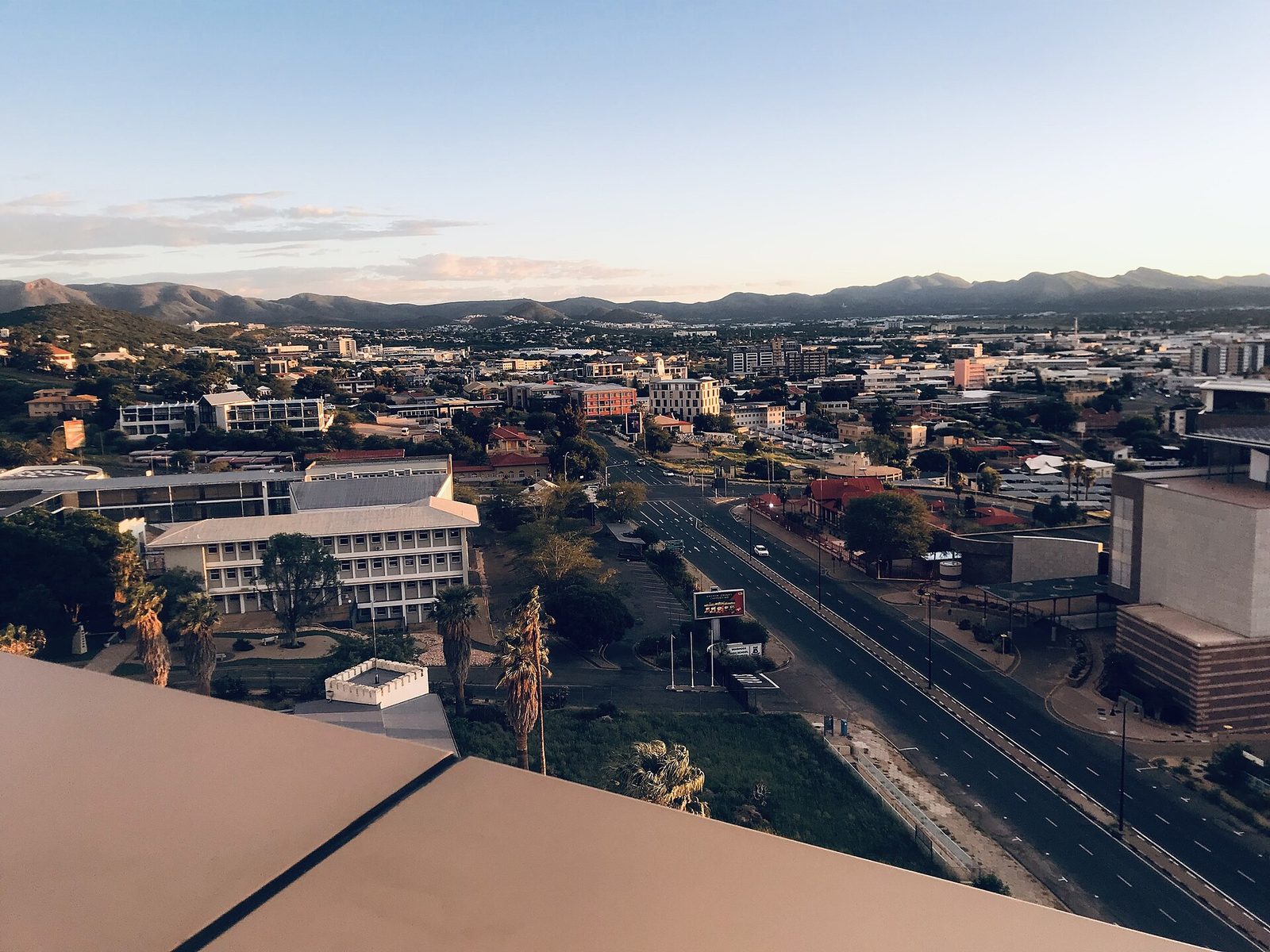
Planning your first hunt in Namibia starts with one key step: flying into Windhoek. This vibrant capital city serves as the main gateway for hunters from around the world seeking ethical plains game and dangerous game adventures across Namibia's stunning landscapes. As a beginner, the idea of international travel mixed with hunting logistics can feel overwhelming, but with the right preparation, your journey through Hosea Kutako International Airport sets the stage for an unforgettable, conservation-minded safari. Namibia stands out as one of Africa's premier hunting destinations thanks to its strong wildlife management practices, vast free-range concessions, and commitment to community-based conservation that has helped species like the black rhino and elephant thrive.
Namibia's hunting industry generates significant revenue for local communities and anti-poaching efforts. According to reports from the Namibian Ministry of Environment, Forestry and Tourism, regulated hunting contributes millions annually to conservation programs while supporting rural livelihoods. This model of sustainable use has led to growing wildlife populations in many areas, making it a responsible choice for ethical hunters. Whether you're after kudu, gemsbok, or a carefully managed leopard hunt, flying into Windhoek positions you perfectly to connect with reputable professional hunters and outfitters who prioritize fair chase and habitat protection.
Start by booking your flights well in advance, ideally three to six months ahead, especially if traveling during the peak hunting season from April through October when dry conditions improve tracking and visibility. Hosea Kutako International Airport (WDH), located about 40 kilometers east of Windhoek, handles international arrivals efficiently. Major carriers include Qatar Airways, Ethiopian Airlines, and connections via Johannesburg with South African Airways or Airlink. Direct options from Europe have expanded in recent years, and post-pandemic route recoveries mean more flexible schedules. From the United States, expect one or two stops totaling 18 to 24 hours of travel. Look for flights that arrive in the morning or early afternoon to allow time for transfers and adjustment before heading to camp.
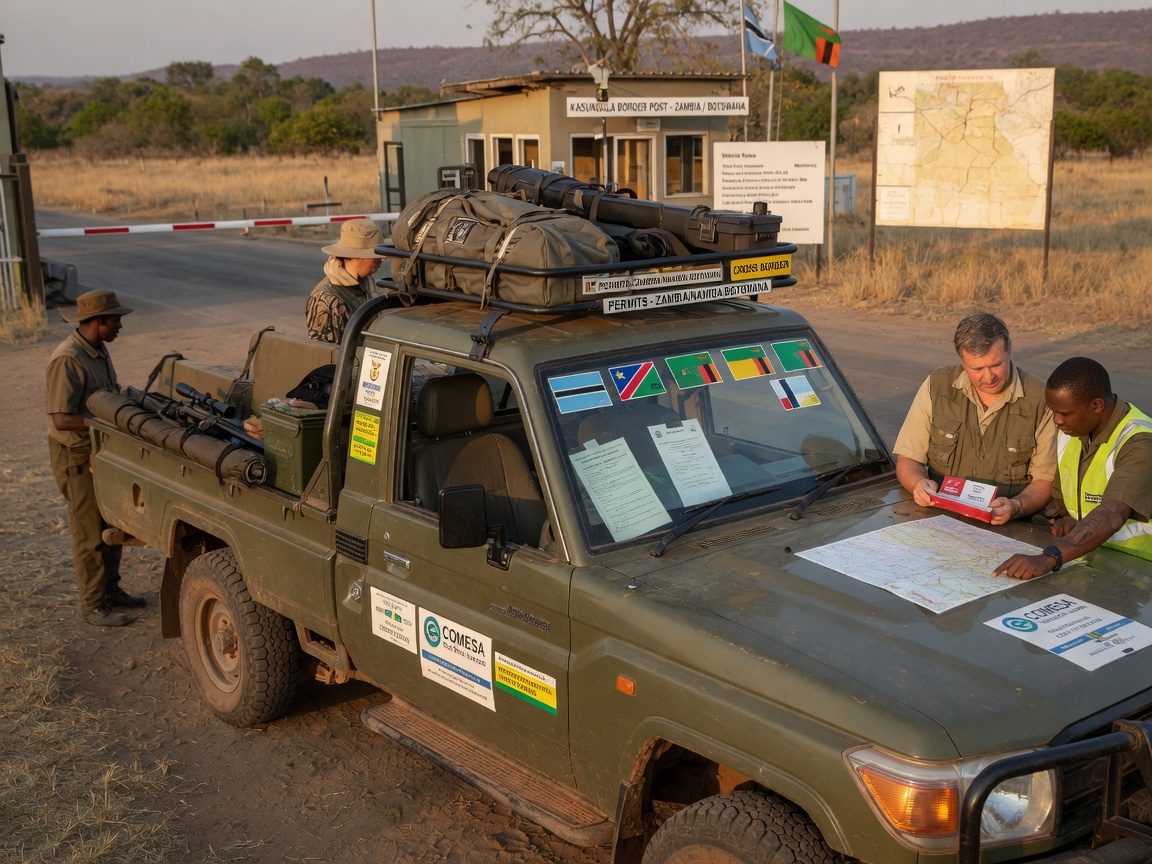
As a beginner, focus on practical packing for the flight itself. Keep your hunting gear minimal in checked luggage since most outfitters provide or rent rifles to avoid complex import processes. If you must bring your own firearm, apply for a temporary import permit through the Namibian Police well before departure—requirements include a letter of invitation from your outfitter, proof of ownership, and serial numbers. Many hunters skip this hassle entirely by using camp firearms, which are well-maintained and zeroed for local conditions. Pack comfortable travel clothes in layers for the long haul, noise-canceling headphones, and a neck pillow. Namibia requires no mandatory vaccinations for most travelers, but check for yellow fever certificates if arriving from endemic countries, and ensure routine shots like tetanus and hepatitis are current. Malaria prophylaxis is recommended for many hunting areas, so consult a travel doctor.
Upon landing at Hosea Kutako, the process is straightforward for prepared hunters. The modern terminal features clear signage in English, and immigration offers visa-on-arrival or visa exemptions for citizens of the US, UK, EU countries, and many others for stays up to 90 days. Always verify the latest entry rules on the official Namibian government website, as policies can update. Declare any currency over certain limits and be ready with your passport valid for at least six months. Customs is efficient; if you have firearms paperwork, present it promptly. Your outfitter will typically arrange a meet-and-greet just outside arrivals. Look for someone holding a sign with your name—professional hunters and transfer drivers know the drill and handle everything smoothly. Recent airport upgrades have improved baggage handling and added better waiting areas, reducing the typical 30- to 60-minute wait.
From the airport, most hunting destinations lie a few hours' drive away into regions like the Kalahari, Waterberg, or Caprivi. Transfers often involve comfortable 4x4 vehicles stocked with cold water and snacks. Use this time to chat with your professional hunter about the upcoming days, ask questions about the terrain, and settle any last details on licenses or trophy fees. Namibia uses the Namibian dollar, pegged to the South African rand, and ATMs or card payments work in Windhoek if you need cash for tips or souvenirs. English is widely spoken, easing communication for beginners.
Practical tips make all the difference for first-timers. Combat jet lag by staying hydrated on the plane and adjusting to local time immediately—Namibia operates on Central Africa Time. Download offline maps and your outfitter's contact info before departure, as cell service can vary outside cities. Respect local customs: greet people politely, support community projects when possible, and always hunt under the guidance of a licensed professional hunter. Ethical hunting here means selective harvesting that benefits populations, so discuss quotas and conservation contributions openly. Safety is high in tourist and hunting areas, but stick to guided travel and secure valuables.
One personal insight from years of guiding newcomers: the moment you step off the plane into Namibia's clear air and see the vast blue skies, the excitement builds. I recall a young hunter on his first trip who arrived nervous about the long flight but left transformed after a successful gemsbok stalk that funded local school improvements. That connection between the hunt and real-world conservation is what sets Namibia apart. Recent developments include increased focus on digital permitting systems and stronger anti-poaching collaborations, making the experience even more seamless and impactful.
As you plan, choose outfitters affiliated with organizations like the Namibia Professional Hunting Association to ensure high standards. Research current hunting regulations, as species availability and seasons can shift based on wildlife surveys. Budget for the full package including daily rates, trophies, and tips, and confirm what your flight and transfer cover.
Flying into Windhoek opens the door to one of the world's great hunting destinations, where adventure meets responsibility. Embrace the journey with preparation and an open mind, and you'll return home with stories, skills, and a deeper appreciation for wildlife stewardship. Ready to book your Namibia hunt? Reach out to trusted outfitters today, review your travel documents, and take that first step toward the African bush. Your ethical adventure awaits—hunt hard, conserve always, and create memories that last a lifetime.