Fallow Deer Hunting
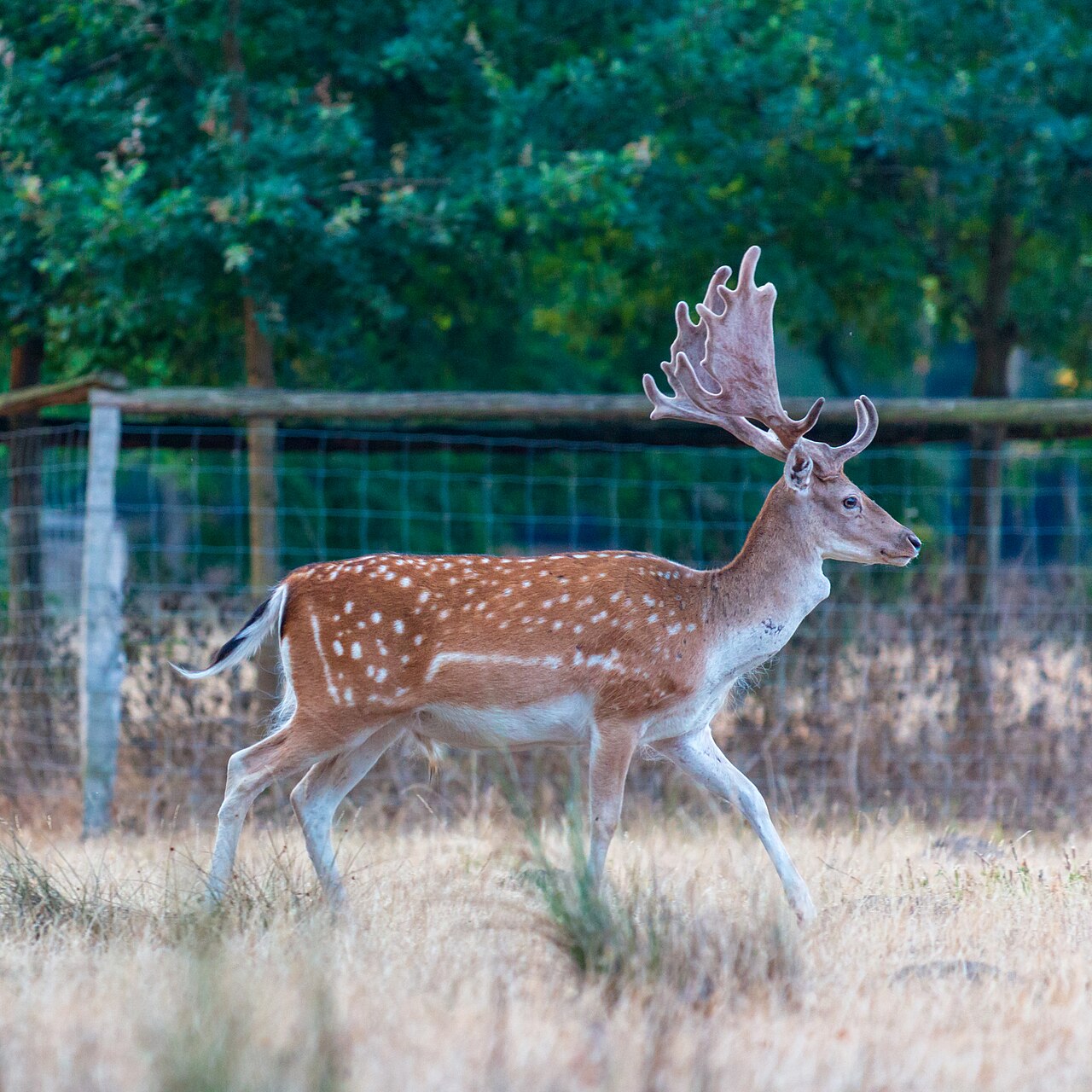
Dama dama
Fallow deer (Dama dama) are a captivating species for hunters, blending elegance with the thrill of the chase. Originally native to the Mediterranean region, they've been introduced worldwide, making them a popular game animal in diverse locales. These medium-sized deer boast a striking appearance, with males (bucks) typically measuring 140-190 cm in body length and weighing 60-100 kg, while females (does) are slightly smaller at 130-160 cm and 35-55 kg. Their coats vary dramatically— from the classic chestnut with white spots to menil (paler with spots), melanistic (dark brown or black), and even leucistic (white). Bucks sport impressive palmated antlers that can span up to 70 cm, shedding and regrowing annually, which adds to their trophy appeal. In terms of habitat, fallow deer thrive in mixed woodlands, open grasslands, and parklands, often preferring areas with dense cover for bedding and open fields for feeding. They're gregarious animals, forming herds that can number in the dozens, especially outside breeding season. Behaviorally, they're crepuscular, most active at dawn and dusk, making those golden hours prime for spotting and stalking. During the rut in autumn, bucks become vocal with deep grunts and engage in fierce displays, creating exciting opportunities for hunters attuned to their calls and movements. Globally, fallow deer range across Europe, parts of Asia, North and South America, Australia, and New Zealand, thanks to historical introductions for sport hunting. In the U. S., they're found in states like Texas, California, and Pennsylvania, often on private ranches or managed lands. For hunters, notable features include their keen senses and elusive nature—fallow deer are alert and quick to bolt, demanding patience and precise shot placement. Their antlers, with broad palms and multiple points, make for stunning mounts, and the meat is lean and flavorful, rivaling venison from native species. Conservation-wise, the IUCN lists them as Least Concern, but local populations are often managed through regulated hunting to prevent overpopulation and habitat damage, ensuring sustainable pursuits for generations of outdoorsmen.
Hunt facts
- Countries
- South Africa
- Hunt regions
-
South Africa: Eastern Cape Free State Gauteng Limpopo Mpumalanga North West Northern Cape Western Cape
- Habitat
- Grassland Mixed savanna
- Best time to hunt
- May–October (Ranch / introduced)
- Mass
- 40–100 kg (88–220 lb)
Where to Find Fallow Deer
Fallow deer thrive in a variety of habitats, primarily mixed woodlands, deciduous forests, and open grasslands with ample cover. They are often found in agricultural areas where forests meet fields, providing both shelter and food sources like acorns, grasses, and crops. Native to Europe and western Asia, they've been introduced worldwide, making them accessible for hunters.
Top hunting destinations include the United Kingdom, particularly England and Scotland, where managed estates offer guided hunts. New Zealand's North and South Islands boast robust populations in forested hills and valleys, with year-round opportunities. In the United States, states like Texas, California, and Pennsylvania have introduced herds on private ranches and public lands. Other prime spots are Hungary, Germany, and Australia, where fallow deer roam expansive bushlands.
Seasonally, the rut in autumn (October to November) is ideal, as bucks become more active and vocal. In warmer climates, spring hunts target post-winter herds. They prefer gentle, rolling terrain with dense underbrush for bedding and open clearings for feeding, often near water sources.
To locate them, scout for fresh tracks, droppings, and antler rubs on trees. Hunt at dawn or dusk when they're most active, using elevated stands near forest edges. Listen for rutting calls and glass open areas from vantage points for spotting their distinctive spotted coats. Always check local regulations for permits and seasons.
Why Hunt Fallow Deer
Hunters are drawn to fallow deer for their impressive trophy qualities, featuring distinctive palmated antlers that can span up to 30 inches, often with a striking shovel-like shape. These antlers, combined with the deer's spotted coat in shades of chestnut, white, or black, make for a visually stunning mount that showcases a hunter's skill and patience.
The pursuit offers a thrilling challenge, as fallow deer are agile and elusive, thriving in diverse terrains from dense woodlands to open fields. Their keen senses and herd dynamics demand strategic stalking or stand hunting, heightening the excitement with heart-pounding close encounters and the rush of outsmarting a wary buck.
Culinary enthusiasts prize fallow deer venison for its tender, lean meat with a mild, nutty flavor that's less gamey than other deer species. It's versatile for grilling, roasting, or slow-cooking, providing nutritious, high-protein meals that elevate wild game cuisine.
Rooted in European traditions, fallow deer hunting echoes medieval pursuits, symbolizing heritage and nobility in many cultures, now adapted to modern fair-chase ethics.
Through regulated hunting, it supports conservation by managing overpopulated herds, preventing habitat damage and promoting biodiversity, while license fees fund wildlife programs.
Ultimately, hunting fallow deer delivers unique experiences like witnessing their graceful leaps or the mesmerizing sight of a rutting buck's display, forging unforgettable connections with nature's wild beauty.
Fallow Deer Hunting Tips
Fallow deer hunting requires patience and precision, with spot-and-stalk or stand hunting being the most effective methods. In open terrain, use binoculars to spot herds from afar, then approach quietly against the wind. For denser woods, tree stands or ground blinds work well during rutting season when bucks are more active and vocal.
Equip yourself with a reliable rifle in . 243 Winchester, . 270, or . 308 calibers for ethical kills at 100-300 yards; these provide sufficient knockdown power without excessive recoil. A quality scope with 3-9x magnification aids in low-light conditions, and don't forget camouflage clothing, scent blockers, and a rangefinder.
For shot placement, aim for the vital zone behind the shoulder to hit the heart and lungs for a quick, humane kill. Avoid head or neck shots unless you're highly experienced, as they can lead to wounding.
When tracking, look for fresh tracks, droppings, and rubs on trees. Stalk slowly, pausing often to glass ahead, and use terrain for cover. Hunt early mornings or late evenings when deer are feeding, and target the fall rut from October to December for peak activity.
Common mistakes include rushing shots, ignoring wind direction, or overhunting an area, which spooks deer. Always scout beforehand to pattern movements.
Safety first: wear blaze orange in shared areas, confirm your target and beyond, and follow local regulations to prevent accidents or legal issues. Proper field dressing minimizes disease risks like chronic wasting.
Featured Outfitters for Fallow Deer
View all





Hunt packages with Fallow Deer
Curated hunt ideas — no price on the page. Enquire and we'll match outfitters after review.
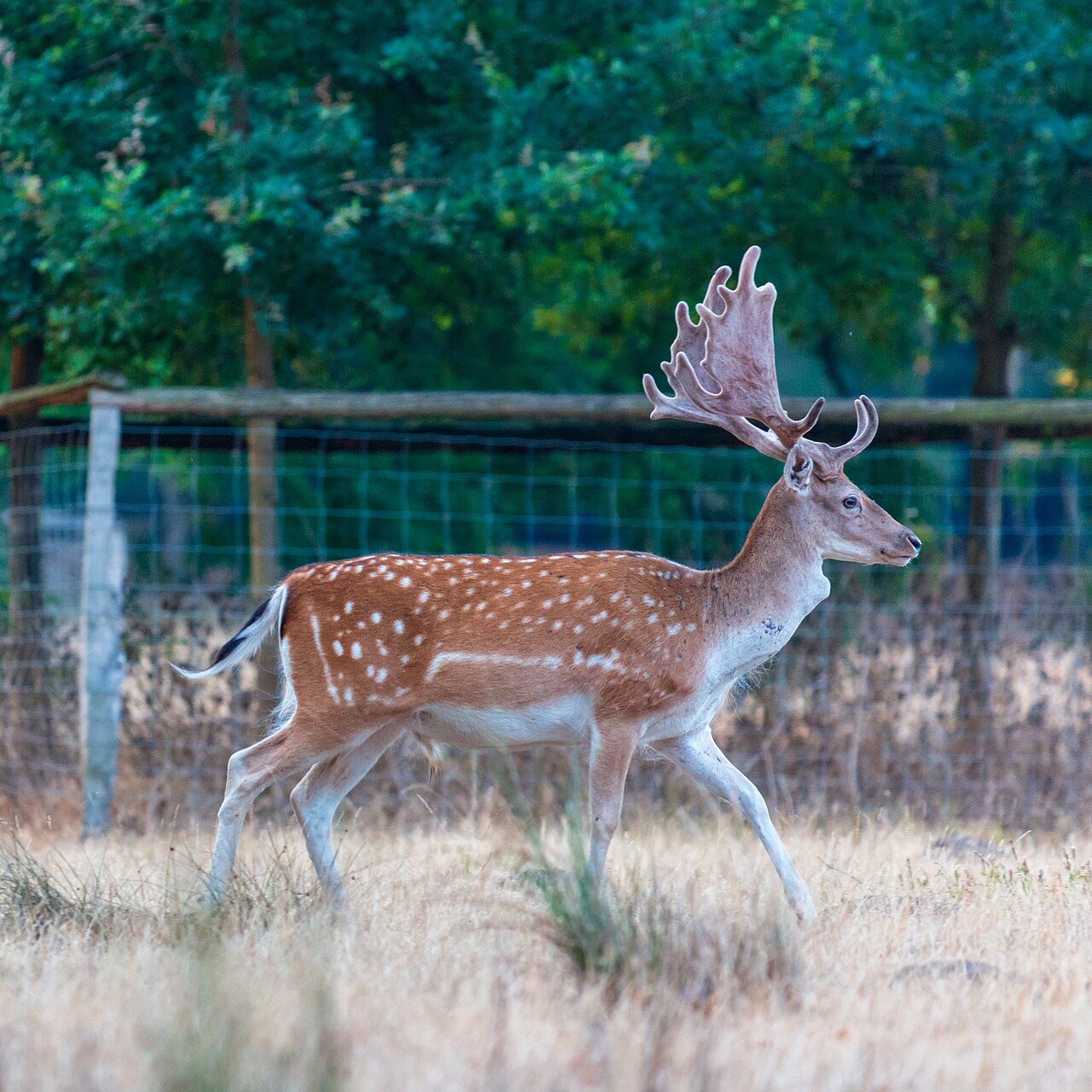
ZA Fallow Deer Ranch — 5 Days
5 days · South Africa
5-day za fallow deer ranch — fallow deer, blesbok, springbok in Free State mixed ranch.
$5,200 – $6,200
Plan Your Fallow Deer Hunt
Submit a free enquiry and we'll match you with outfitters who hunt Fallow Deer in your region.
Sign Up to Enquire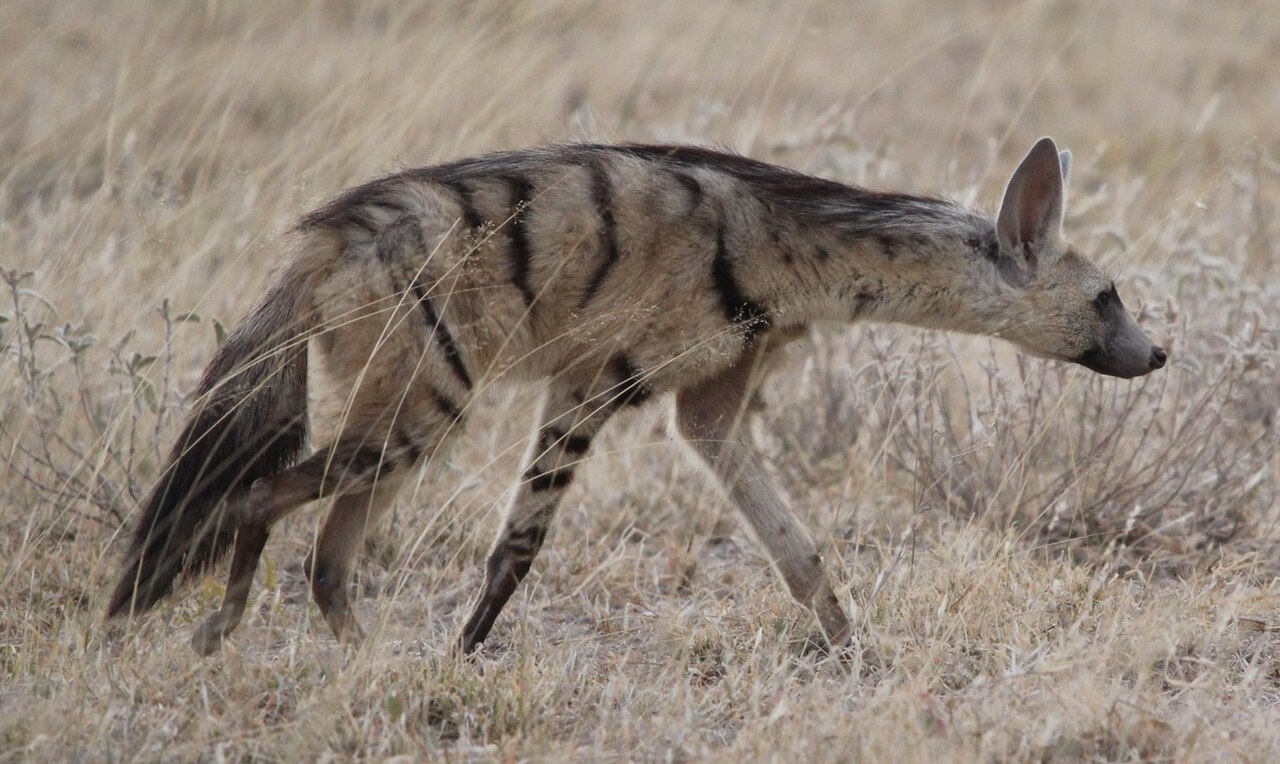 Aardwolf
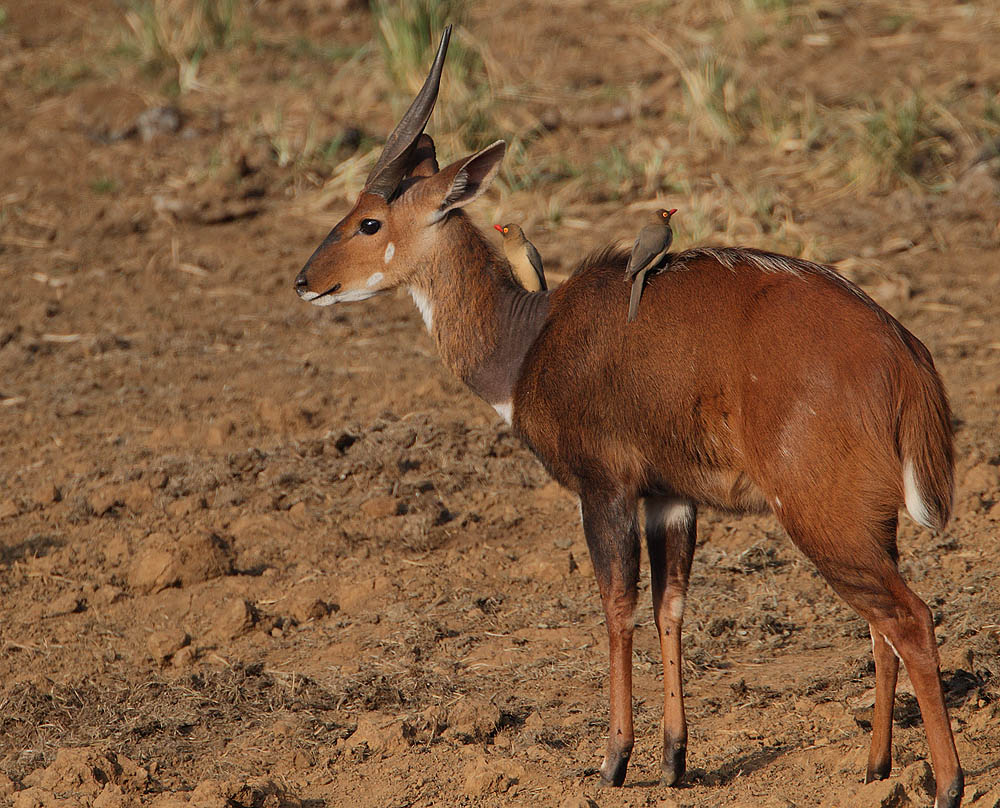 Abyssinian Bushbuck
 Baboon
 Bat-Eared Fox
 Bay Duiker
 Beisa Oryx