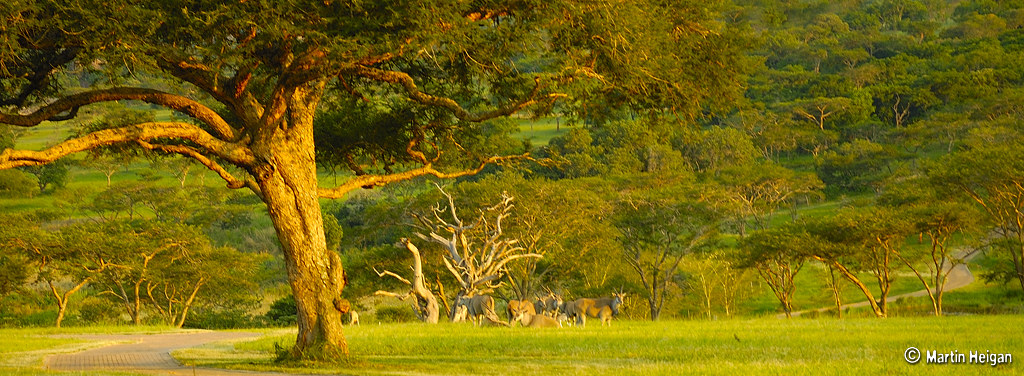
The wide-open spaces of the plains present some of hunting's greatest thrills and toughest tests. Whether you are after pronghorn on the American prairie, mule deer along the breaks, or classic African plains game such as gemsbok, springbok, and kudu, the distances involved demand more than binoculars. A well-chosen spotting scope, used with skill, lets you locate animals, judge them accurately, and decide whether a stalk or a shot is ethical. This guide shares field-tested spotting scope tips that improve success while keeping conservation and fair-chase principles at the center of every hunt.
Selecting the right spotting scope begins with matching the optic to the country. For most long-range plains work you want 20-60x magnification and an 80 mm or larger objective lens. The extra light-gathering power and resolution pay off when you are trying to count points, measure horn mass, or confirm sex at 600 yards and beyond. Extra-low-dispersion glass and modern multi-coatings have become standard on quality scopes; they cut chromatic aberration and improve contrast so that a distant buck does not dissolve into a blurry silhouette. Straight or angled eyepieces are a personal choice, but many plains hunters prefer the angled version because it lets you sit comfortably behind the scope for long glassing sessions without craning your neck. Waterproofing and rugged construction are non-negotiable; dust, wind, and sudden weather changes are constants on the plains.
A rock-solid mount is as important as the glass itself. A carbon-fiber tripod with a fluid video head damps vibration and allows smooth, controlled panning. Practice deploying the setup quickly; game often appears only for a few seconds before dropping into a fold or vanishing over a rise. Some hunters add a window mount for vehicle glassing, which is especially useful when covering large ranches or concessions. Whatever platform you choose, keep the scope as low as practical to reduce the effects of heat shimmer rising off the ground.
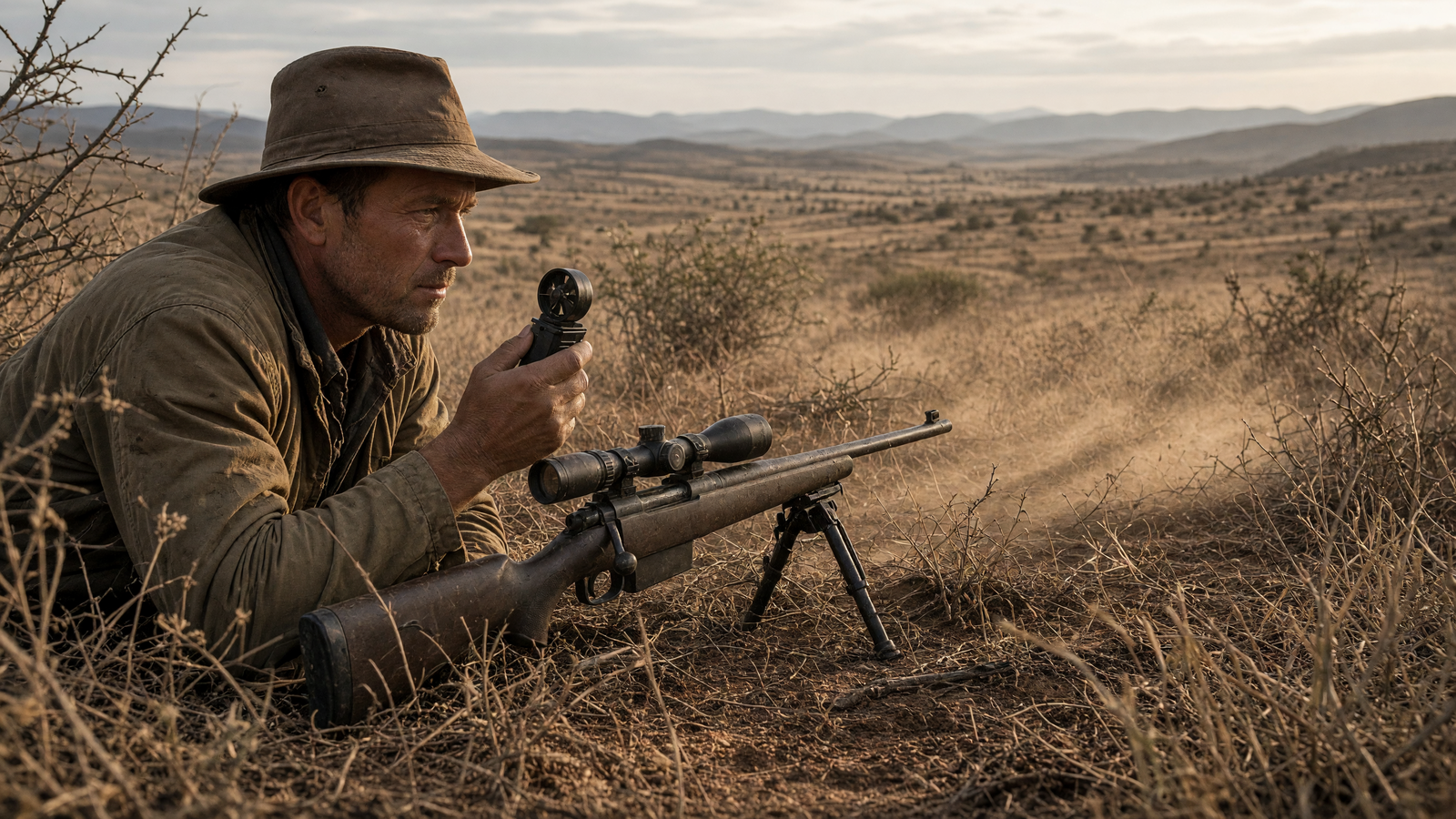
Glassing technique separates casual lookers from effective hunters. Begin each session with a systematic grid. Mentally divide the landscape into horizontal bands or use prominent landmarks as reference points, then scan slowly from left to right. Start at lower magnification to cover ground, then zoom in on anything that looks out of place—an odd color patch, a horizontal line that should be vertical, or a flicker of movement. Experienced glassers know that the eye is drawn to motion first, so pause frequently and let the scene settle. On hot days mirage can turn a sharp image into a boiling mess. The best remedy is timing: glass at first light and again in the last two hours of daylight when the air is cooler and more stable. If you must glass during midday, drop the power until the image steadies or wait for a cloud shadow to pass.
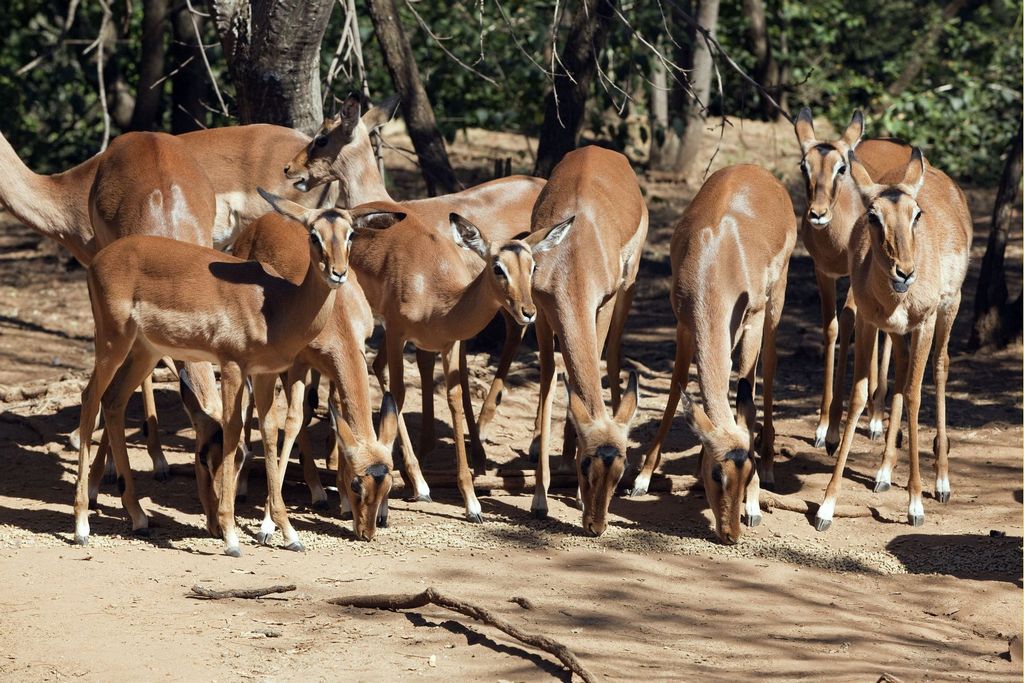
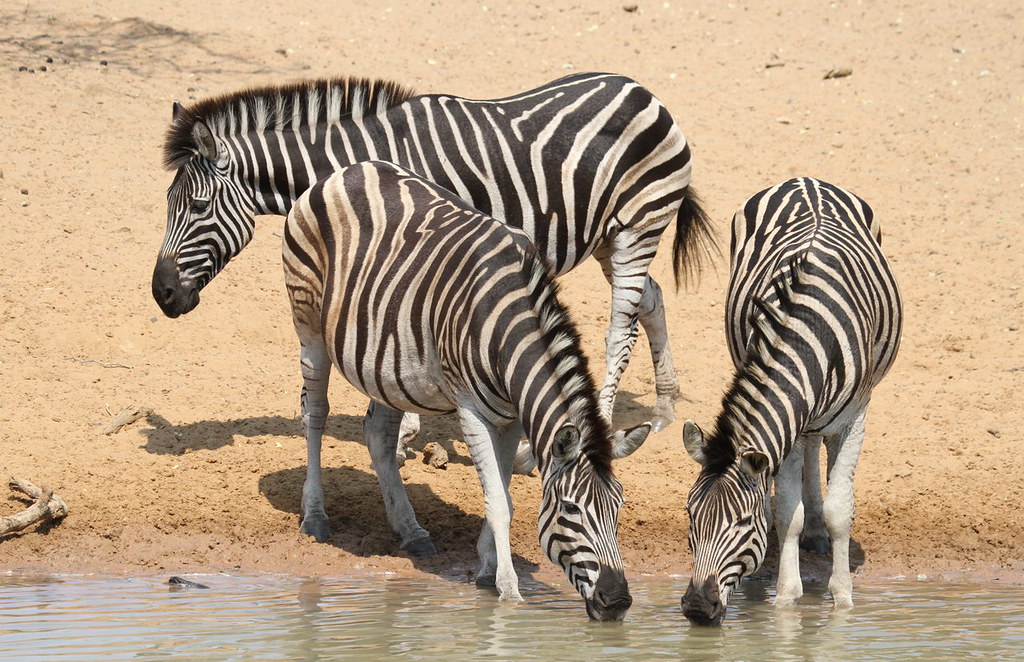
Judging plains game at long range is a skill that improves only with deliberate practice. For pronghorn, compare horn length to the ear (roughly six inches) and look for heavy bases and ivory tips. A mature buck’s horns will appear to extend well beyond the ear tips and show good mass. Mule deer require attention to antler spread, tine length, and body size; a true trophy usually looks blocky and heavy even at distance. In Africa the same principles apply to spiral-horned antelope and oryx. Learn the silhouettes of cows, young bulls, and mature trophy animals so you can make a quick, accurate call. Always confirm legal status and sex before you even consider closing the distance. This extra step is both ethical and practical; it prevents the heartbreak of realizing too late that the animal is not what you thought.
Modern tools complement the spotting scope without replacing it. A quality laser rangefinder confirms the exact distance so you can decide whether a stalk is feasible or a shot is within your personal ethical limit. Compact binoculars remain useful for the initial wide-area scan; the spotting scope then takes over for detailed inspection. Some hunters now attach smartphones to their scopes to capture stills or short video clips that can be reviewed later or shown to a guide. These images also serve as a personal record and a reminder of why we hunt: to observe wildlife closely and take only what we intend.
Maintenance and field craft keep the system working when it matters. Wipe lenses with a proper cloth, store the scope in a padded case, and check the tripod locks before every hunt. Dust is the enemy on the plains, so keep covers on when the scope is not in use. Practice at home by glassing distant objects of known size so you develop a feel for scale. The more hours you spend behind the glass, the faster you will pick out game that others walk right past.
Ethics and conservation are inseparable from long-range plains hunting. A spotting scope gives you the information needed to pass on immature or female animals when that is not your goal and to take only shots you know you can make cleanly. License fees, habitat work, and the simple act of spending time outdoors all support the wildlife we pursue. Long-range shooting itself should be approached with humility; wind, animal movement, and your own limits must be respected. The goal is a quick, humane harvest, not a personal-best distance record.
Mastering the spotting scope turns vast, empty-looking country into a living map. You will find more animals, make better decisions, and enjoy the hunt more deeply. Get the best glass you can afford, practice the techniques until they become automatic, and always put the welfare of the game first. Head out this season with a sharper eye and a clearer conscience. Share your own spotting-scope lessons in the comments so other hunters can learn from your experience, and take a look at our gear reviews for current recommendations that hold up in real plains conditions.