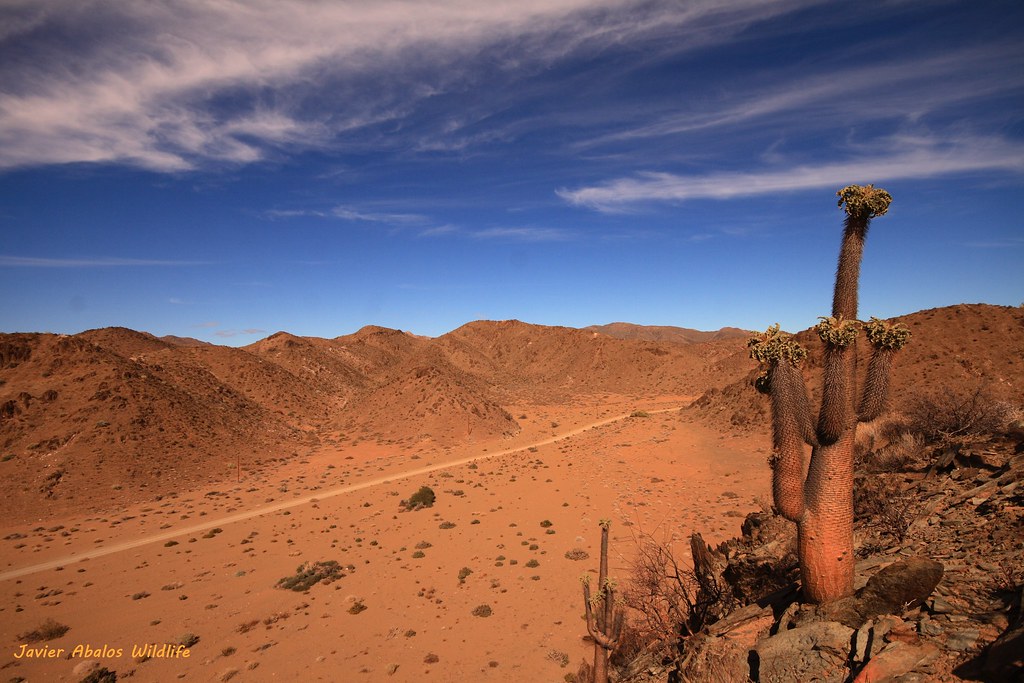
The vast open plains of the Karoo stretch endlessly under a brilliant blue sky, dotted with hardy shrubs and the occasional rocky outcrop. Here, the springbok thrives as one of Africa's most iconic plains game animals, known for its explosive speed, keen senses, and that signature pronking leap. For hunters, few experiences match the pure challenge of stalking springbok in this semi-arid region of South Africa. Unlike denser bushveld hunts, Karoo stalking demands patience, precise wind management, and an intimate understanding of the landscape. This guide shares time-tested techniques drawn from generations of Karoo hunters and modern conservation practices to help you approach these beautiful antelope ethically and effectively.
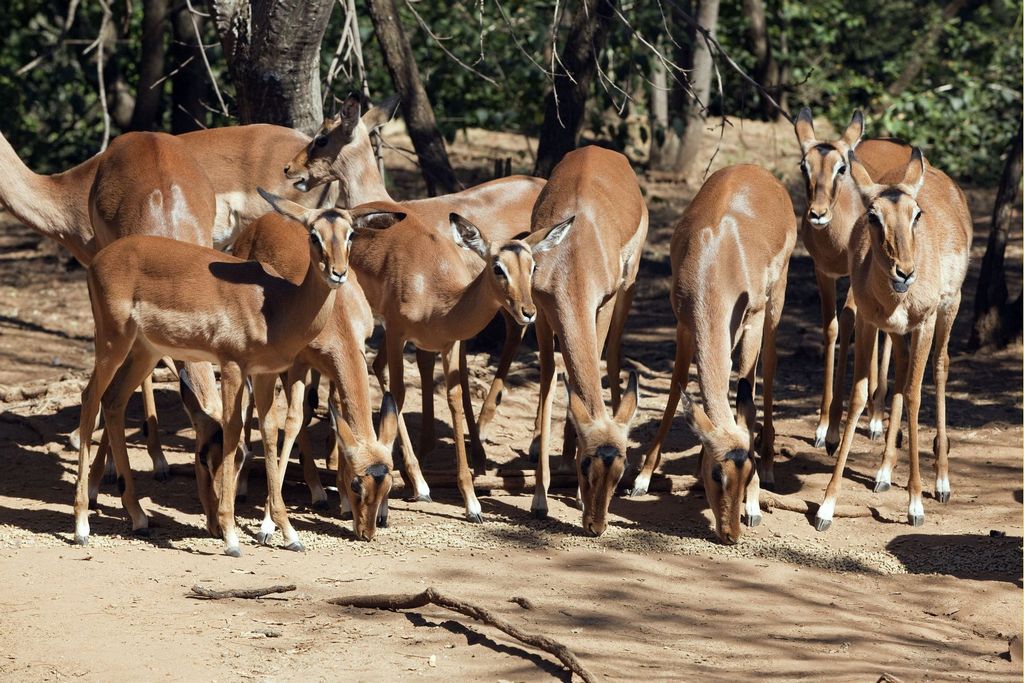
Springbok populations in the Karoo remain healthy thanks to responsible game management on private reserves and farms. According to recent data from South African wildlife authorities, springbok numbers have stabilized through sustainable hunting quotas that fund habitat protection and anti-poaching efforts. These animals prefer open grasslands and shrublands where they can spot predators from afar. Rams typically weigh 30 to 45 kilograms, with ewes slightly lighter, and both display that distinctive white face and lyre-shaped horns. Their eyesight is exceptional, and they react instantly to movement or scent. Successful stalks hinge on using the terrain against them while respecting the animal and the land.
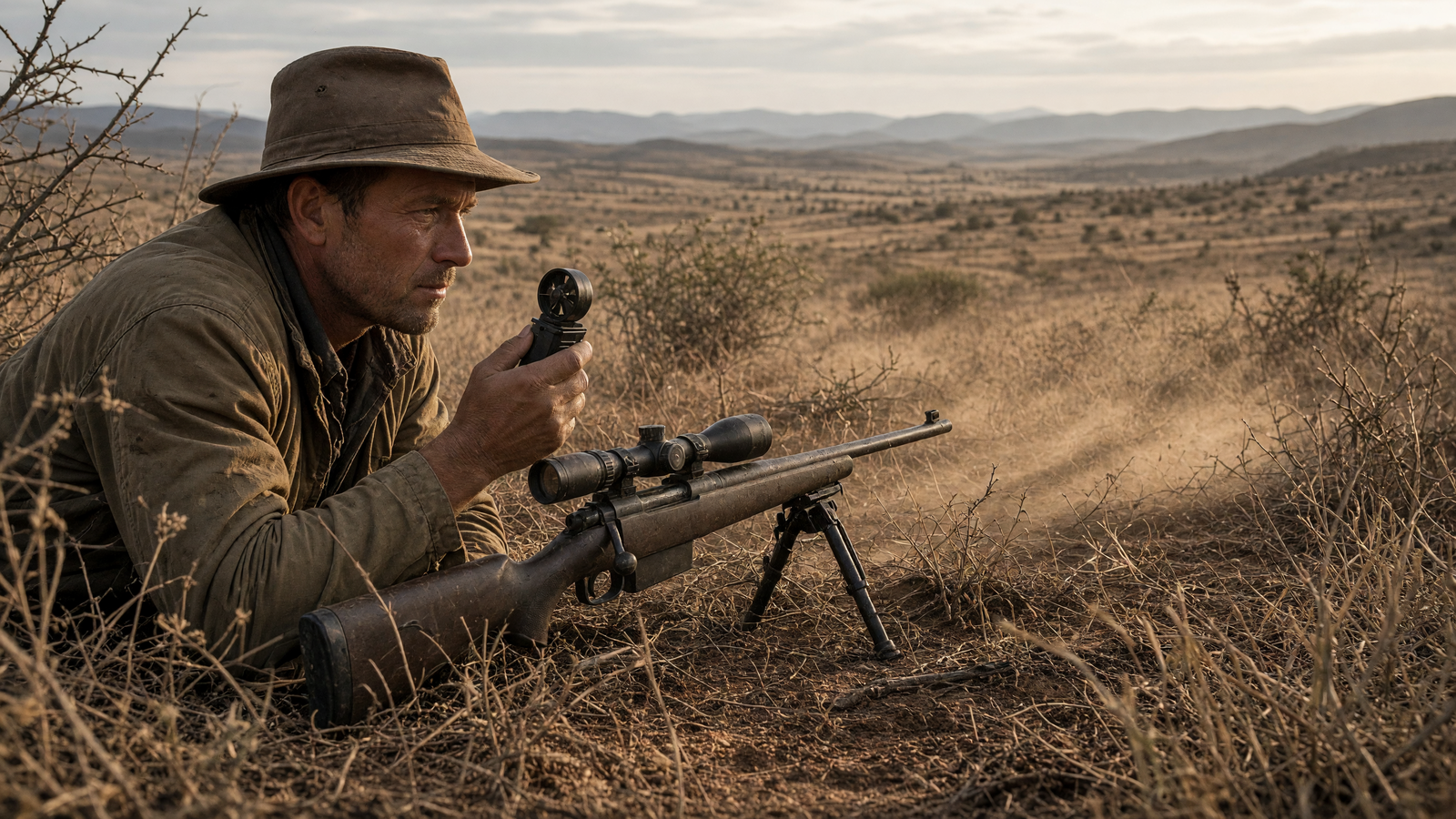
Preparation begins long before you set foot on the property. Study topographical maps and satellite imagery of the specific Karoo concession. Look for dry riverbeds, low ridges, and scattered koppies that offer natural cover. Springbok often feed in the cooler early mornings and late afternoons, resting in the heat of the day near shade if available. Check recent rainfall patterns because green flushes after rare Karoo rains concentrate herds in certain valleys. Always obtain the latest hunting regulations from your outfitter or provincial authority. Ethical hunters confirm that springbok are on the quota and that the hunt supports local conservation programs. Gear should be minimal yet effective: broken-in boots for silent walking on gravel and shale, lightweight earth-toned clothing that matches the dusty browns and greys of the Karoo, quality binoculars of at least 10x42, and a reliable rangefinder. A shooting stick or bipod proves invaluable for steady shots across open ground at distances often between 150 and 250 metres.
The foundation of any Karoo stalk is wind. Springbok possess an acute sense of smell and will bolt at the slightest human scent. Approach from downwind whenever possible. Use a small powder bottle or milkweed seeds to test wind direction constantly, as thermals shift dramatically between morning cool and midday heat. In the Karoo's open country, even a light breeze can carry scent hundreds of metres. Experienced hunters often glass from a high point first thing in the morning to locate herds, then plan a circuitous route that keeps the wind in their favour while using folds in the land for concealment.
Once you spot a suitable animal, usually a mature ram with heavy bases and good length, begin the stalk with deliberate slow movements. Move only when the animals have their heads down feeding. Freeze instantly if any head lifts. Use available cover creatively: crawl along shallow dongas, keep a low profile behind sparse bossie bushes, or belly-crawl across bare patches when necessary. Many Karoo hunters favour the "stop-start" method, advancing 10 to 20 metres then pausing for several minutes to let the herd settle. Never silhouette yourself against the skyline. Instead, stay below ridges and use the contour of the land. Distances can be deceptive in the clear Karoo air, so range frequently and account for the slight mirage that appears on hot days.
A classic technique involves working parallel to a herd rather than straight at it. This reduces the chance of being spotted while allowing you to close the gap gradually. If the springbok begin to move, match their pace from cover rather than rushing. Pronking often signals mild alarm; if you see it, freeze and reassess the wind and your position. For trophy rams that hang on the edges of larger herds, a patient wait near a known water point or mineral lick at last light can produce opportunities, though pure free-range stalking remains the purest form.
Shot placement must be precise. Aim for the heart-lung area just behind the shoulder, roughly one-third of the way up the body. Because springbok are relatively small and often quartering, wait for a broadside or slight angle presentation. Practice extensively from field positions before the hunt. After the shot, mark the exact spot and give the animal time if it runs. Good blood-trailing skills matter in the sparse Karoo vegetation. Always approach a downed animal carefully from behind and confirm it is expired before tagging.
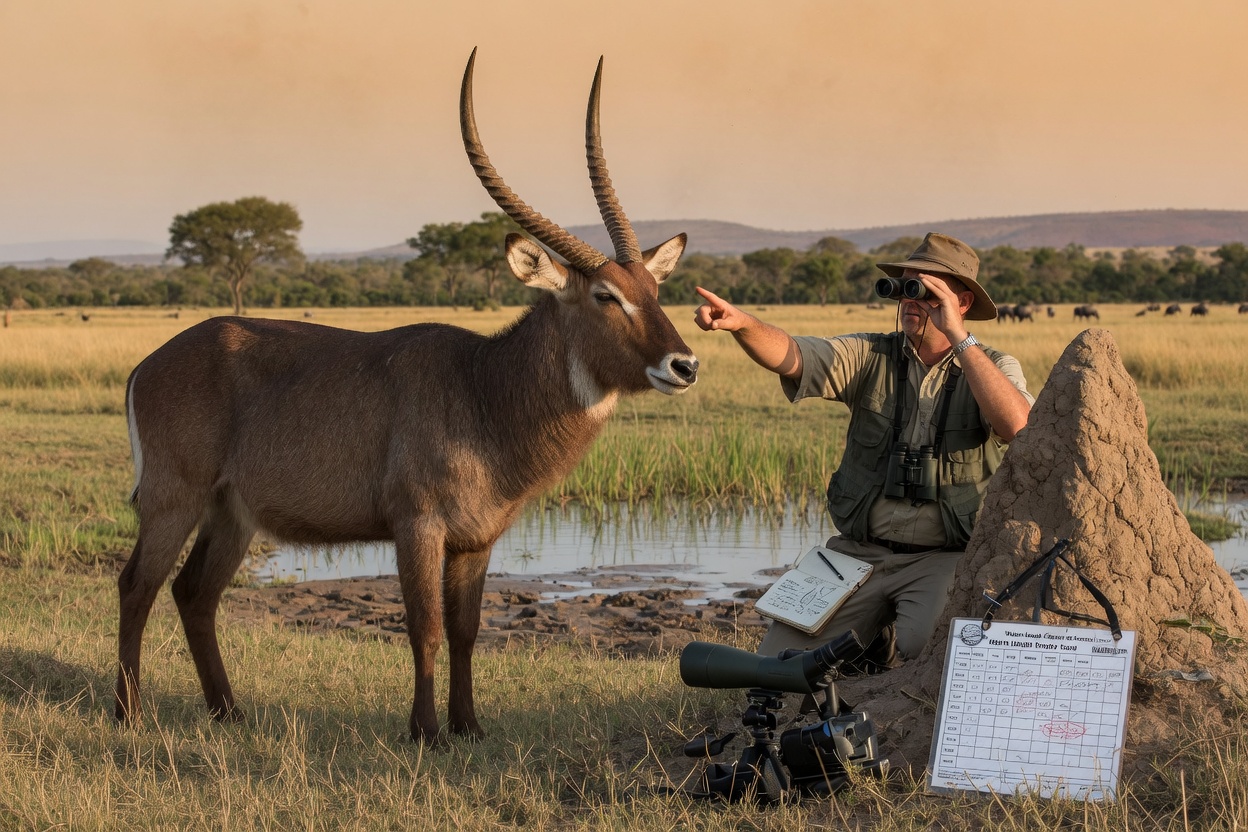
Ethics sit at the heart of every stalk. Select mature animals and avoid shooting the lead ewe of a herd, as this can disrupt group dynamics. Follow fair-chase principles by refusing vehicles for the final approach and limiting shots to ethical ranges where you are confident of a clean kill. Many Karoo outfitters now incorporate camera traps and population surveys to ensure harvests remain sustainable. Hunters contribute directly to conservation by choosing operations that reinvest fees into habitat restoration and community programmes. Leave no trace: pack out all rubbish, stick to existing tracks where possible, and respect farm gates and livestock.
Personal experience teaches that the best stalks often end without a shot. One memorable morning in the Northern Cape Karoo saw a perfect ram feed into range only for a sudden wind shift to send the entire herd bounding away in a cloud of dust. The disappointment faded quickly, replaced by deep appreciation for the animal's wariness and the raw beauty of the landscape. Those days refine your skills more than easy successes. Keep a hunting journal noting wind patterns, herd behaviour, and successful approach angles. Over time these notes become invaluable.
Modern developments include the growing use of thermal optics for pre-dawn glassing on larger properties and collaborative research between hunters and universities tracking springbok movement via GPS collars. These studies confirm that springbok favour specific corridors after rain, information outfitters now share with clients to improve success rates while reducing pressure on single areas. Always verify that any technology used complies with local hunting laws, which generally prohibit electronic aids during the actual stalk.
As you plan your next Karoo adventure, remember that stalking springbok tests every hunting skill: observation, patience, physical fitness, and mental discipline. The reward is not only the magnificent ram on the wall but the profound connection to one of southern Africa's last great open spaces. Book with reputable conservation-minded outfitters, prepare thoroughly, and hunt with respect. Share your experiences with fellow hunters to keep traditional knowledge alive and support the future of ethical plains-game hunting. The Karoo waits, endless and challenging. Lace up your boots, read the wind, and step quietly into the stalk.