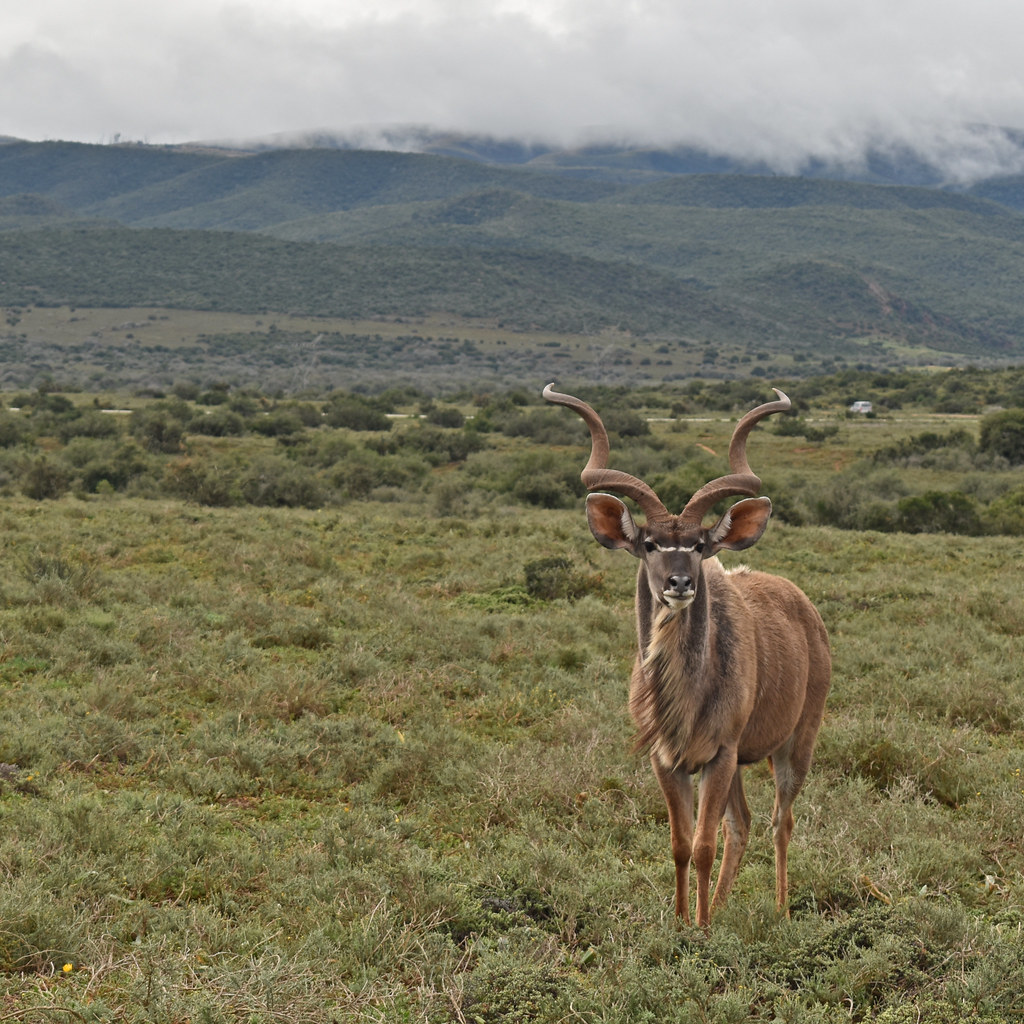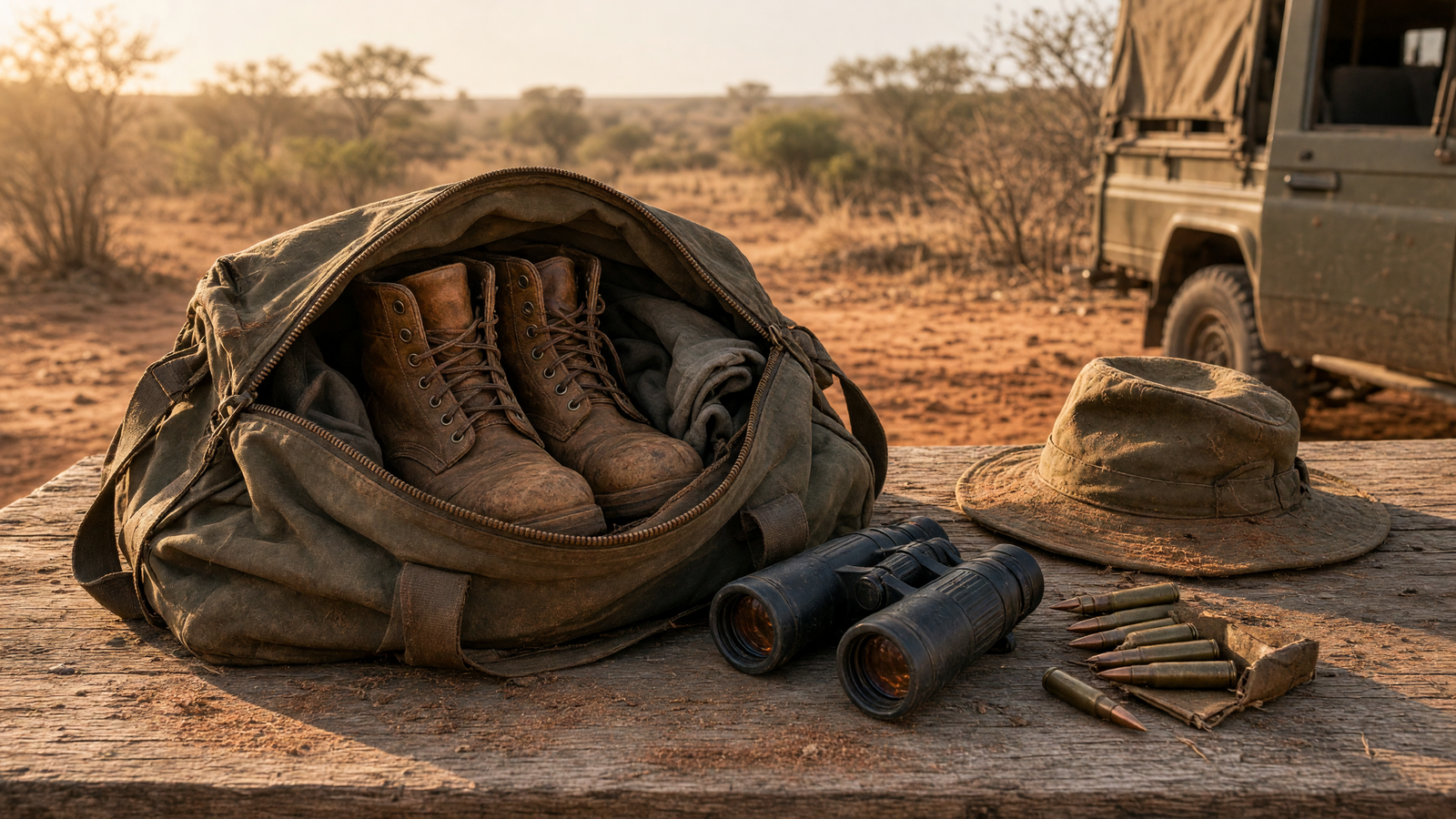
Planning your first multi-day Kalahari hunt brings pure excitement mixed with a healthy dose of nerves. The vast red dunes, open savannas, and legendary game like gemsbok, springbok, and kudu make this one of Africa's premier hunting destinations. Yet the Kalahari's extreme conditions demand smart preparation. Daytime temperatures often climb above 35°C while nights can plunge near freezing, and water sources remain scarce across this semi-arid expanse spanning Botswana, Namibia, and South Africa. Getting your packing checklist right separates a memorable ethical hunt from an uncomfortable ordeal. This guide delivers a complete beginner-friendly packing list drawn from current outfitter recommendations and field-tested practices so you arrive ready to focus on the chase and conservation.
Start with clothing built for radical temperature swings and relentless sun. Pack lightweight, breathable long-sleeve shirts and pants in neutral earth tones such as khaki or olive. These protect against UV rays and thorns while helping you blend into the scrub. Choose moisture-wicking synthetic or merino wool base layers rather than cotton, which stays damp and chafes. Include a wide-brimmed hat with a neck flap, quality sunglasses with UV protection, and a lightweight neck gaiter. For evenings add a warm fleece or insulated jacket, thermal base layers, and a durable windproof shell. Two pairs of broken-in hunting boots with solid ankle support are essential; pair them with several sets of moisture-wicking socks plus camp shoes or sandals for lodge time. Recent guidance from southern African professional hunters emphasizes treating all outerwear with permethrin for tick and insect defense, a simple step that has reduced bite incidents on multi-day safaris.
Hunting gear forms the core of your kit. Confirm caliber and rifle requirements with your outfitter well in advance; many Kalahari hunts favor .270, .308, or .30-06 for plains game, always paired with premium controlled-expansion ammunition. Bring a quality riflescope rated for harsh light and dust, plus a reliable bipod or shooting sticks suited to open terrain. A sturdy gun case that meets airline standards protects your firearm during travel. Optics matter enormously here: a pair of 10x42 binoculars and a rangefinder help judge distance across shimmering heat waves. Pack a sharp fixed-blade knife, multi-tool, and basic field-dressing kit. Soft gun socks or sleeves keep dust out of actions during vehicle travel between hunting blocks. Always review current CITES and local export rules for any trophies; responsible hunters support conservation by following every regulation and choosing operators who reinvest in habitat and anti-poaching.
Personal and camp items keep you comfortable over several days. A well-fitted daypack carries water, snacks, spare ammo, and layers during stalks. Hydration is non-negotiable; plan for at least four liters of water capacity via bottles or a bladder, and add electrolyte tablets because dry air accelerates dehydration. Include a compact headlamp with extra batteries, a lightweight sleeping bag rated to near freezing if camping, and a small pillow. Sun protection goes beyond clothing: high-SPF sunscreen, lip balm with SPF, and after-sun lotion prevent painful burns. A basic repair kit with duct tape, zip ties, and needle-and-thread handles torn gear far from town. Many modern outfitters now supply solar chargers; still pack a portable power bank to keep GPS devices, cameras, and phones alive. Personal insights from repeated Kalahari trips show that a small notebook and pen become invaluable for recording stalk details, wind shifts, and animal behavior that improve future hunts.
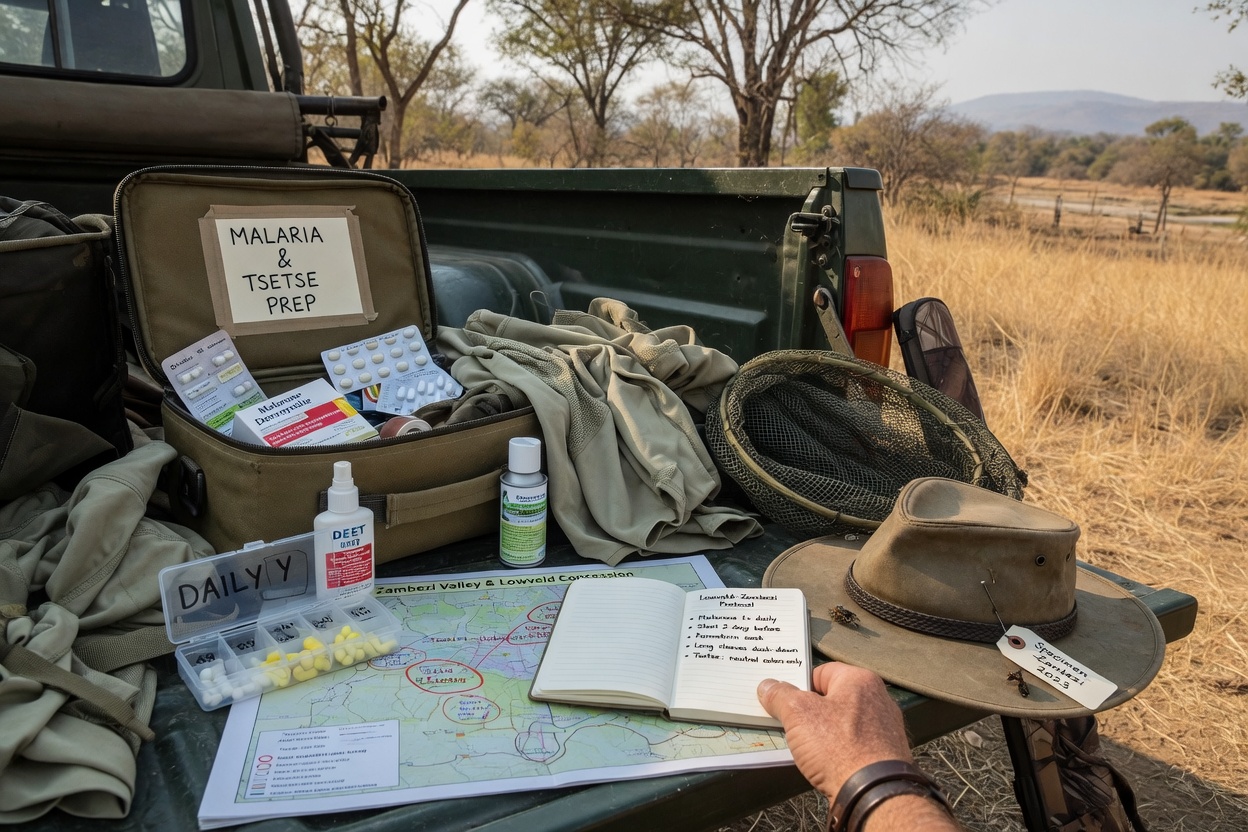
Health, safety, and documentation round out a responsible packing list. Consult a travel clinic at least eight weeks ahead for recommended vaccinations and malaria prophylaxis where relevant; while much of the Kalahari is low-risk, border areas can differ. Assemble a personal first-aid kit containing blister care, antihistamines, pain relievers, antidiarrheal medicine, any prescription drugs, and a tourniquet. Dust and wind make eye drops and saline solution useful. Carry copies of your passport, hunting licenses, firearm permits, and medical insurance information in both paper and digital form. A compact satellite messenger or personal locator beacon provides peace of mind in remote concessions where cell service vanishes. Ethical hunters also pack a commitment to fair chase: know your effective range, practice shots from field positions before departure, and respect bag limits that sustain healthy wildlife populations. Studies by southern African conservation groups consistently link well-prepared, ethical sport hunting to improved wildlife numbers and community benefits through habitat protection funding.
Practical tips elevate your preparation. Weigh every item against airline baggage limits and outfitter vehicle space; excess gear becomes a burden on long drives across soft sand. Label everything clearly and use packing cubes to organize clean versus dirty clothes. Test your full kit on a local overnight outing to spot gaps. Share your checklist with the outfitter early so they can advise on provided items such as tents, meals, or extra water. Climate patterns have grown more variable in recent seasons, with occasional unseasonal rains turning tracks muddy, so a light pair of gaiters and quick-dry towel earn their keep. Above all, pack patience and respect. The Kalahari rewards hunters who move quietly, glass thoroughly, and value the animal and the land equally.
A multi-day Kalahari hunt tests gear and character in equal measure. When you step into that endless landscape with the right packing checklist, you free your mind to read tracks, judge wind, and make clean ethical shots. Use this guide as your starting point, refine it with your outfitter’s local knowledge, and head out prepared. Ready to turn preparation into adventure? Review your list tonight, confirm those permits, and start counting the days. Share your own must-have items in the comments or reach out for personalized advice. The dunes are waiting, and responsible hunters keep them wild for generations to come.