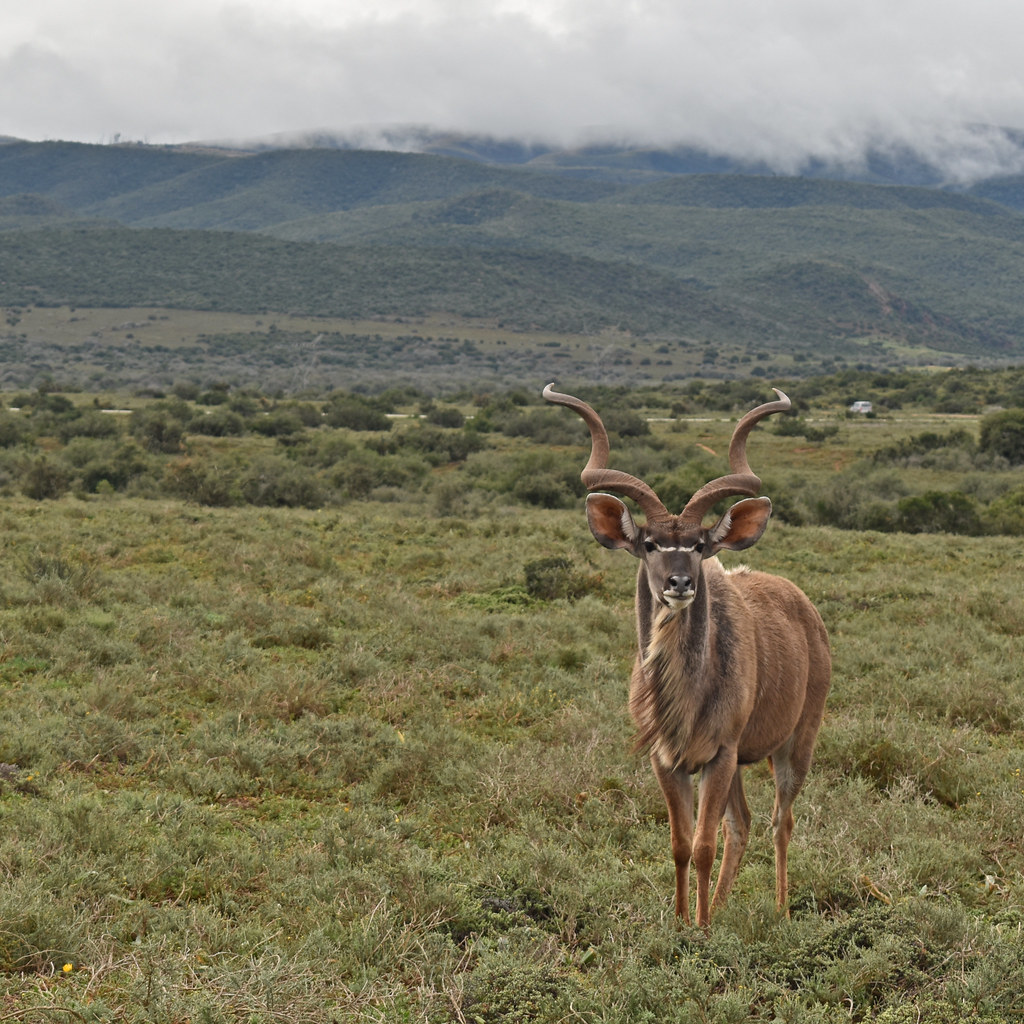
There is nothing quite like the first time you glass a herd of kudu across the rolling hills of South Africa’s Eastern Cape. The air is crisp, the landscape stretches forever in shades of gold and green, and the knowledge that you are participating in a carefully managed conservation system makes the moment even richer. For many hunters, a plains game safari in the Eastern Cape is the perfect introduction to African hunting. The region offers a wide variety of species, relatively straightforward logistics, malaria-free zones in most hunting areas, and outfitters who specialize in hosting first-time visitors. This guide walks beginners through everything you need to know so you arrive prepared, confident, and ready to hunt ethically.
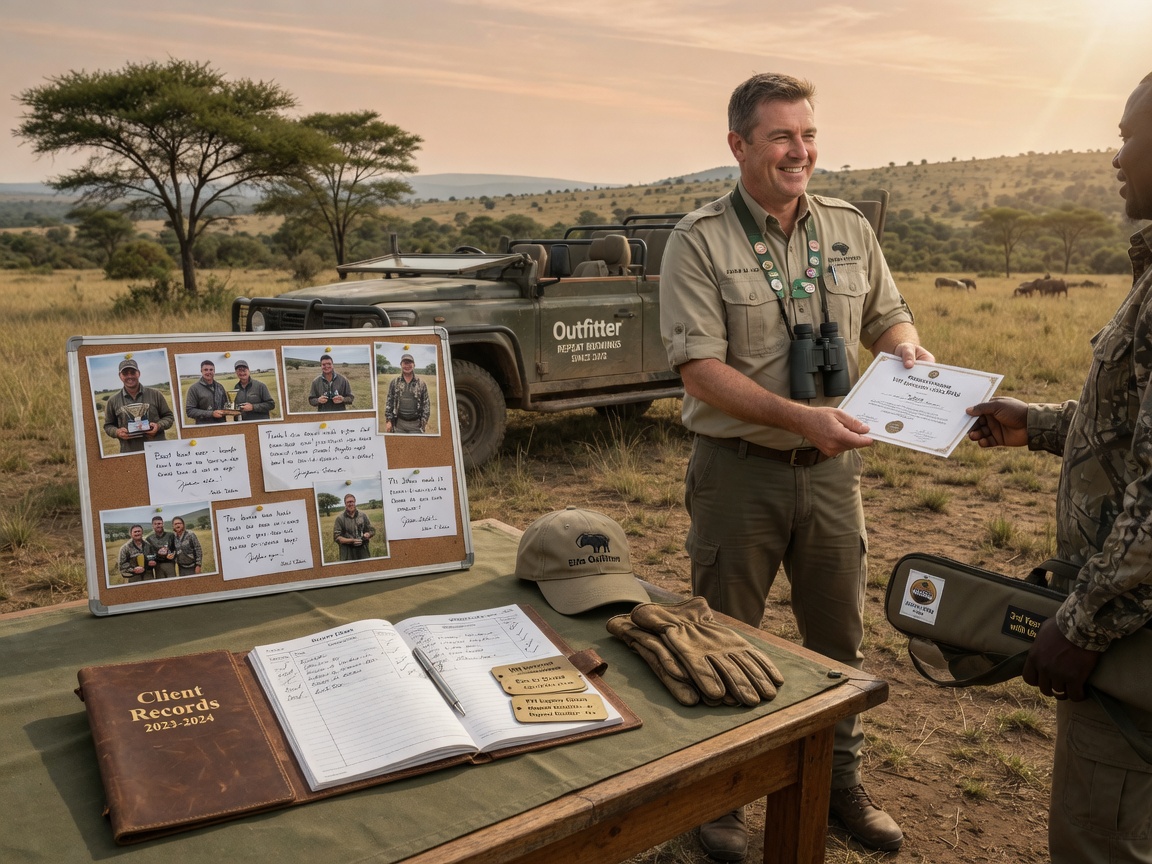
Start with the most important decision: choosing a reputable outfitter and professional hunter. The Eastern Cape is home to dozens of excellent operations, many of them family-run ranches that have practiced wildlife management for generations. Look for outfitters who are members of the Professional Hunters’ Association of South Africa (PHASA) or the Confederation of Hunting Associations of South Africa (CHASA). These organizations enforce strict codes of conduct covering fair chase, client safety, and conservation contributions. Ask for recent references from hunters who have similar experience levels to yours. A good outfitter will help you match species to your budget and skill, arrange airport transfers from Port Elizabeth (Gqeberha) or East London, and handle the bulk of the paperwork. In recent years many ranches have invested in improved tracking technology and anti-poaching units funded directly by hunting revenue, so your hunt actively supports habitat protection.
Once you have selected your outfitter, turn your attention to legal requirements. Most visitors from the United States, Canada, UK, EU, and Australia receive a 90-day visa exemption on arrival, but always verify the latest rules on the South African Department of Home Affairs website because entry requirements can change. If you plan to bring your own rifle, you must complete a SAPS 520 temporary import permit application. Your outfitter will normally guide you through this process and can often submit the paperwork on your behalf. You will need a letter of invitation, proof of ownership, a copy of your passport, and details of the firearm and ammunition. Stick to common plains-game calibers such as .270 Winchester, 7mm Remington Magnum, .308 Winchester, or .30-06 Springfield; these are ideal for the majority of Eastern Cape species and simplify ammunition logistics. Leave the heavy dangerous-game rifles at home unless you have specifically booked a package that includes them. South Africa also requires that all hunters complete a compulsory indemnity form and, in some provinces, a brief competency discussion with the professional hunter before the first stalk.
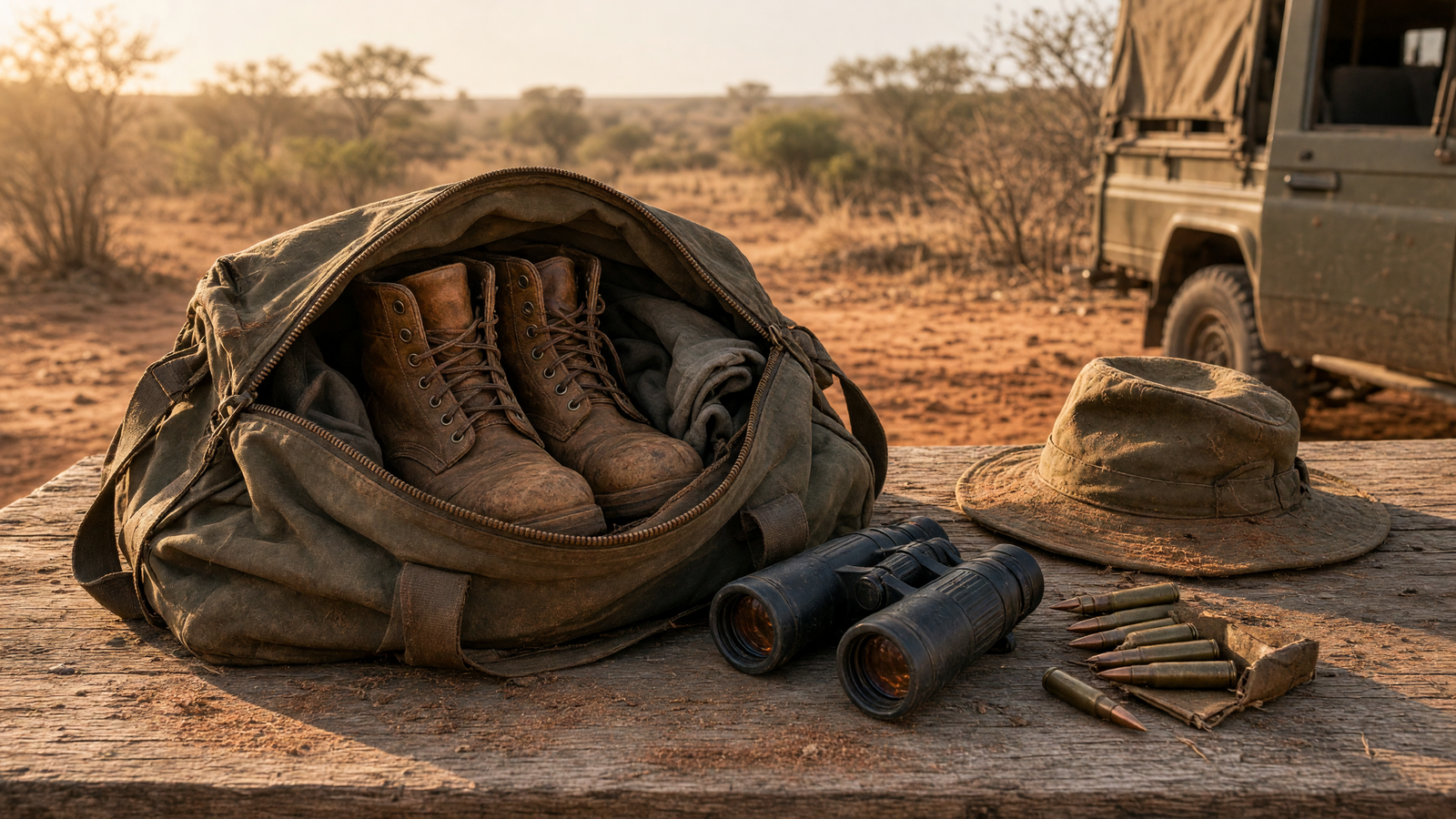
Gear selection should be practical rather than excessive. A quality bolt-action rifle you already shoot well is far better than a brand-new magnum you have never practiced with. Bring 60 to 80 rounds of premium soft-point or bonded ammunition for practice and hunting. A pair of 8x42 or 10x42 binoculars is essential; the open terrain of the Eastern Cape rewards good glass. Pack sturdy, broken-in hiking boots with ankle support, neutral-colored clothing in layers (mornings can be cold, midday warm), a wide-brimmed hat, shooting sticks, a soft rifle case for travel, and a basic medical kit. Many outfitters now provide loaner rifles and ammunition for an extra fee, which removes the hassle of international firearm travel for first-timers. Weather in the Eastern Cape is generally mild year-round, but the peak dry-season months of May through September offer the most comfortable temperatures and best visibility. Summer rains can make roads muddy and grass high, so discuss timing carefully with your outfitter.
Physical preparation matters more than many beginners expect. Days often start before dawn and can involve several kilometers of walking over uneven ground, sometimes at altitude. Begin a simple fitness routine at least eight weeks out: brisk walking with a light pack, stair climbing, and basic strength work for legs and core. Practice shooting from sitting, kneeling, and standing positions using shooting sticks until you can consistently place shots inside a six-inch circle at 200 yards. Mental preparation is equally important. Accept that African hunting is rarely a quick drive-up affair. You may glass for hours, make long stalks that fall apart at the last moment, and experience both success and disappointment in the same day. A positive, respectful attitude toward the professional hunter, trackers, and camp staff turns a good safari into a great one.
Understand the animals and the ethics before you arrive. Typical Eastern Cape plains-game packages include springbok, blesbok, impala, black wildebeest, gemsbok, red hartebeest, and greater kudu, with opportunities for bushbuck, mountain reedbuck, and warthog depending on the ranch. These species are managed under scientifically based quotas that keep populations healthy and generate the majority of funding for habitat maintenance and anti-poaching. Always insist on fair-chase principles: no shooting from vehicles except in limited recovery situations, no night hunting with artificial lights for plains game, and clean, well-placed shots only. If an animal is wounded, the entire team stays on the track until it is recovered. This commitment to ethics is what separates responsible safari hunting from mere shooting.
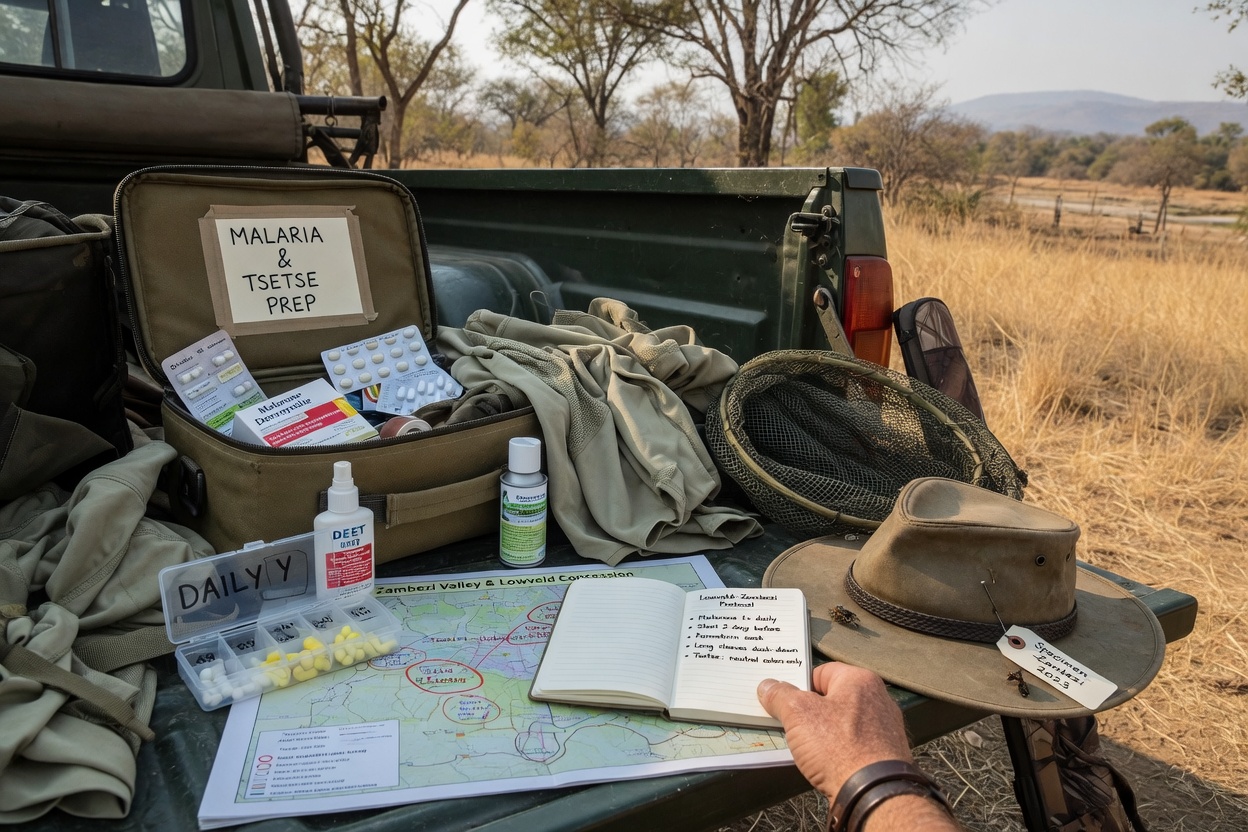
Health and travel practicalities round out the preparation list. The Eastern Cape is largely malaria-free, but confirm the exact status of your hunting area and consult a travel clinic for routine vaccinations and any personal medications. Drink only bottled or treated water, use sun protection daily, and carry electrolyte sachets. Inform your outfitter of any dietary requirements or medical conditions well in advance. Book comprehensive travel insurance that explicitly covers hunting activities and emergency medical evacuation. Finally, leave room in your schedule for a day or two of sightseeing; Addo Elephant National Park and the Garden Route are easy add-ons that enrich the overall experience.
A plains game safari in the Eastern Cape rewards those who prepare thoroughly. When you have chosen a conservation-minded outfitter, sorted the paperwork, practiced with your rifle, and arrived with realistic expectations, you give yourself the best chance of success and of creating memories that last a lifetime. The hills are waiting, the game is plentiful, and the tradition of ethical hunting remains strong. Start your research today, reach out to two or three PHASA-accredited outfitters, and take the first concrete step toward your African adventure. The Eastern Cape has introduced thousands of hunters to the magic of the dark continent; with the right preparation it can do the same for you.