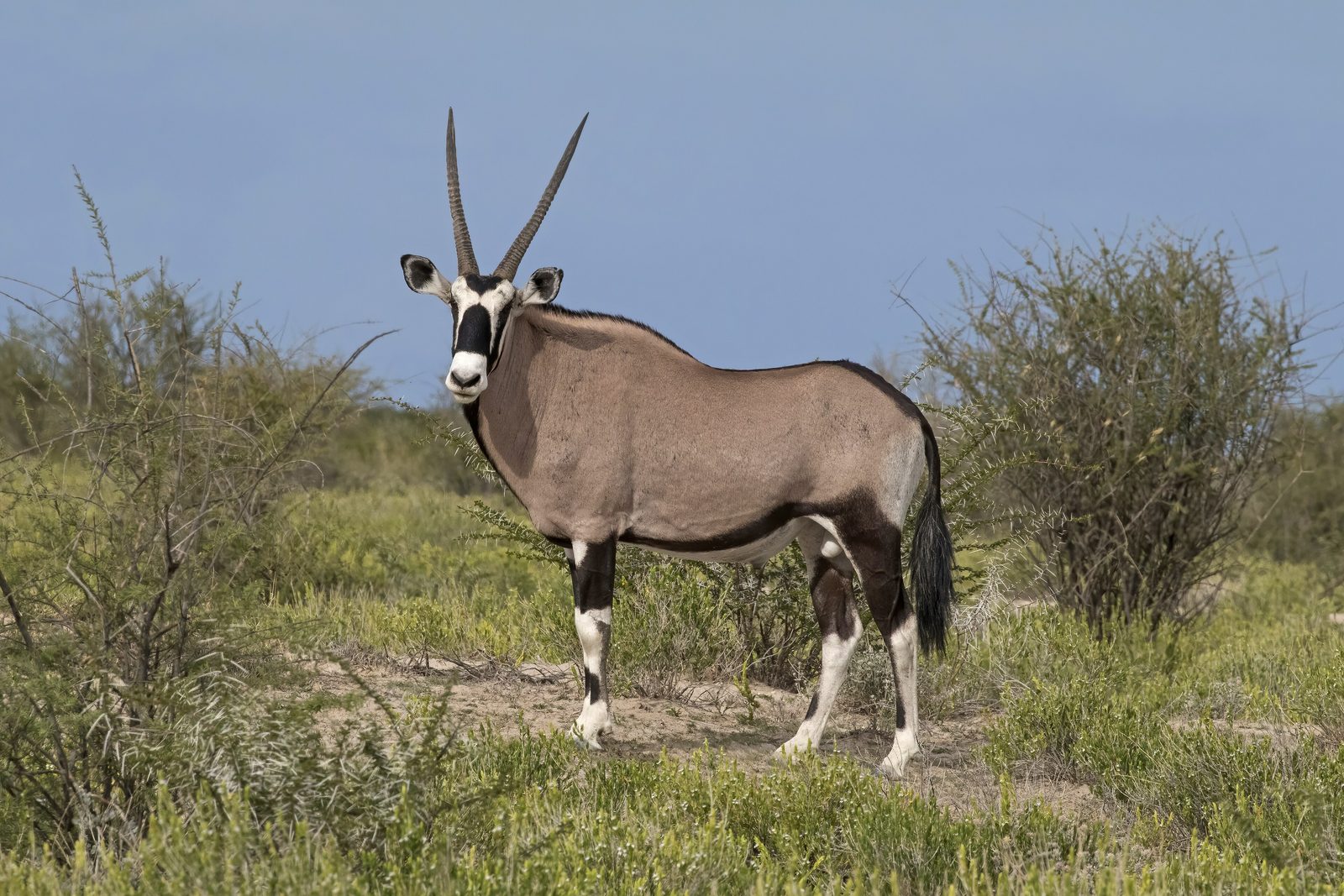
Botswana stands as one of Africa's premier destinations for plains game hunting, offering vast wilderness, healthy populations of iconic species, and a model of hunting that directly supports conservation. For serious hunters seeking quality trophies of gemsbok, kudu, eland, wildebeest, zebra, and impala in fair-chase conditions, few places match the raw authenticity of Botswana's hunting concessions. With sustainable quotas managed through community-based programs and professional outfitters, booking a plains game hunt here means contributing to anti-poaching efforts and local livelihoods while pursuing unforgettable experiences. Recent seasons have seen strong trophy quality and recovering tourism post-global disruptions, making now an ideal time to plan.
The appeal lies in Botswana's commitment to ethical hunting. Over 40 percent of the country falls under some form of wildlife management, and plains game hunting generates critical revenue for communities through the Community-Based Natural Resource Management program. Hunters operate under strict regulations enforced by the Department of Wildlife and National Parks, with mandatory use of licensed professional hunters. This ensures fair chase principles, sustainable offtake, and habitat protection. Species like the desert-adapted gemsbok and red hartebeest thrive in these systems, providing challenging stalks across open plains and scrub.
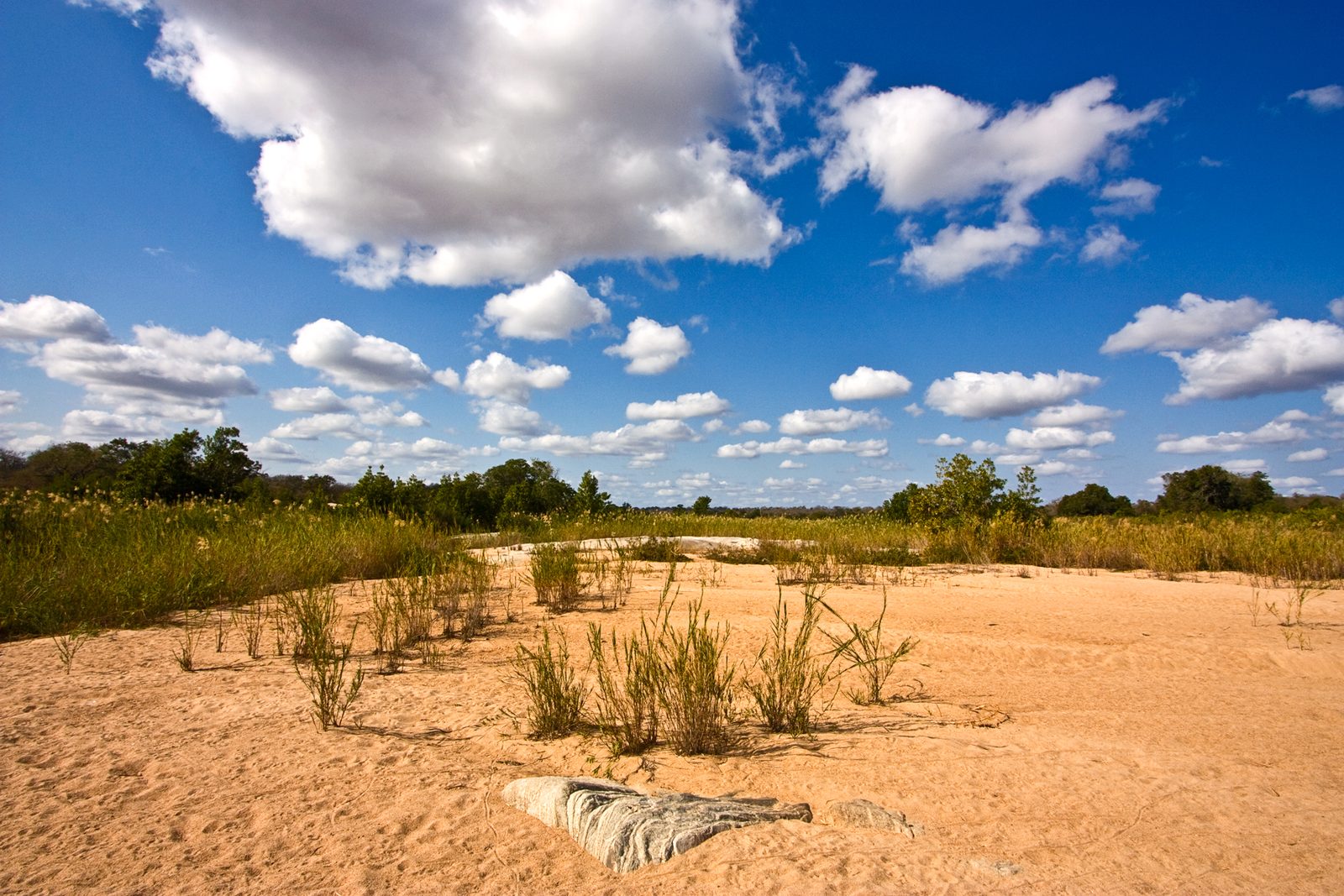
One standout destination is the Central Kalahari region and its surrounding concessions. This expansive area delivers classic Kalahari hunting characterized by red sand, golden grasslands, and exceptional visibility. Hunters regularly encounter strong populations of gemsbok, often yielding mature bulls with impressive horn length, alongside springbok, red hartebeest, eland, and blue wildebeest. The terrain favors spot-and-stalk methods, testing marksmanship and tracking skills under the African sun. Concessions here emphasize low hunter density, preserving the sense of true wilderness. Best results come during the dry winter months from May through September when animals concentrate around remaining water and vegetation is sparse. Outfitters in this zone often combine plains game with opportunities for quality warthog and steenbok, creating well-rounded packages. Many camps feature comfortable tented setups that maintain an authentic safari feel without sacrificing safety or logistics.
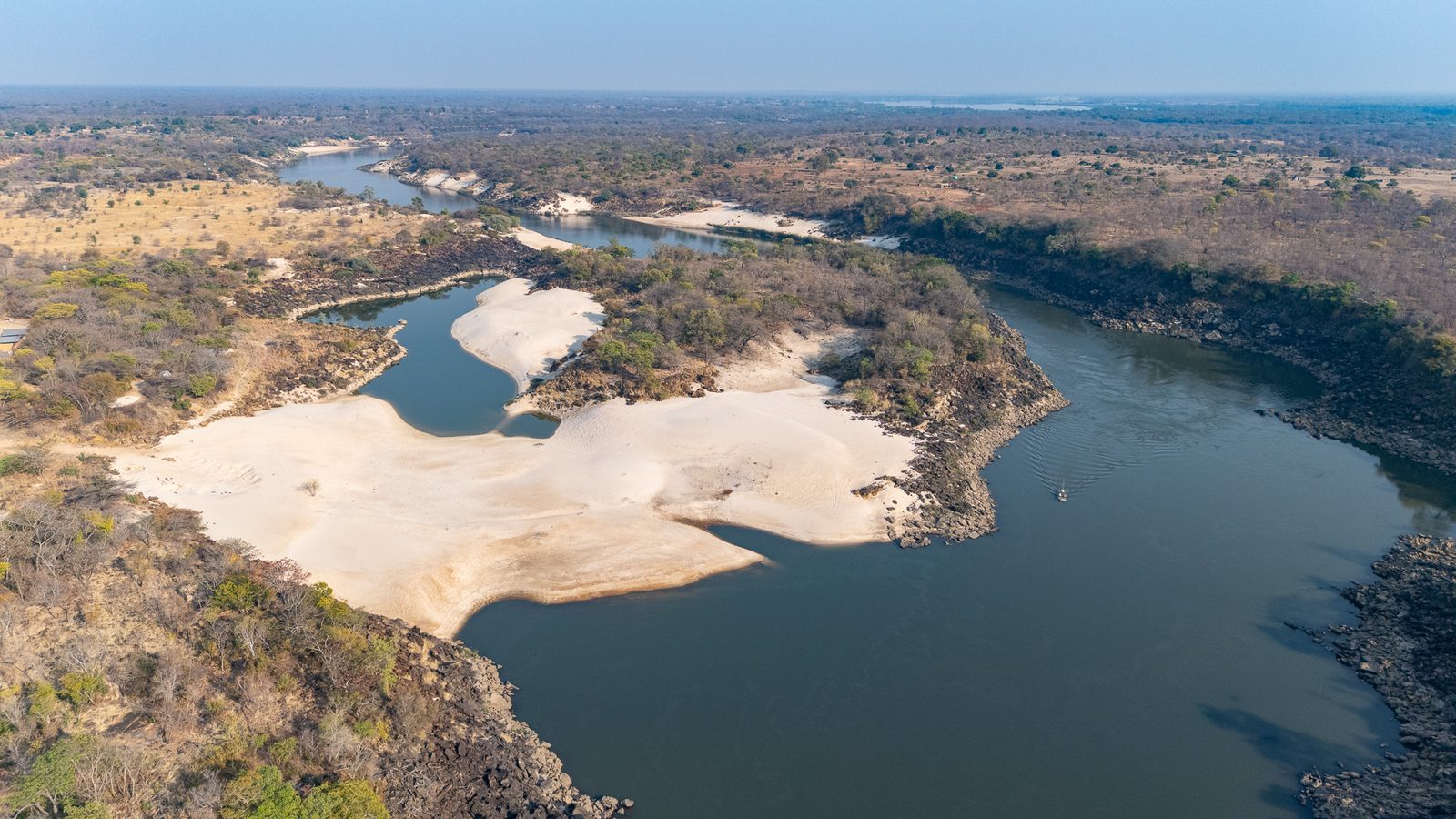
Further east, the Tuli Block offers a contrasting yet equally rewarding plains game experience. Nestled along the Limpopo River bordering South Africa and Zimbabwe, this area features mixed bushveld, riverine forests, and open plains ideal for a variety of antelope. Kudu thrive here, with heavy-horned bulls frequently taken, along with impala, waterbuck, zebra, and wildebeest. The landscape supports longer stalks and glassing from elevated positions, and the proximity to water sources means consistent game movement. Tuli concessions have earned a reputation for excellent management and high success rates on mature animals. Hunters appreciate the relatively easy access via road or short charter flights from major hubs, plus the chance to experience both hunting and outstanding birdlife or predator sightings in non-hunting moments. Ethical operators here work closely with neighboring communities, channeling hunt fees into schools, clinics, and wildlife monitoring. Recent feedback from returning clients highlights consistent trophy quality and professional guiding that prioritizes shot placement and animal welfare.
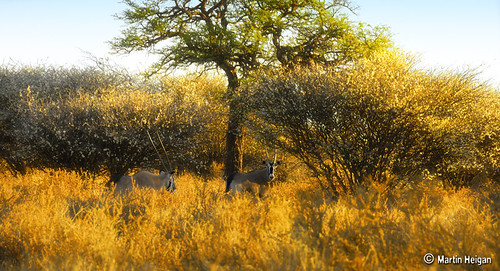
Western Botswana, particularly the Ghanzi district and adjacent freehold and communal areas, rounds out the top tier of plains game destinations. This region provides classic open-country hunting with a focus on free-ranging herds of gemsbok, eland, hartebeest, and springbok. The sandy soils and acacia scrub demand good physical condition and patience, rewarding hunters with long-range opportunities and memorable sunsets over endless horizons. Ghanzi has seen steady investment in sustainable practices, including habitat improvement and anti-poaching patrols funded partly by hunting revenue. Packages often allow flexible bag limits tailored to the hunter's goals, whether building a representative collection of southern African plains game or targeting specific record-book animals. Local knowledge from San trackers adds cultural depth and practical expertise that elevates every hunt. With fewer international visitors than more famous northern parks, these concessions deliver solitude and a strong sense of exploration.
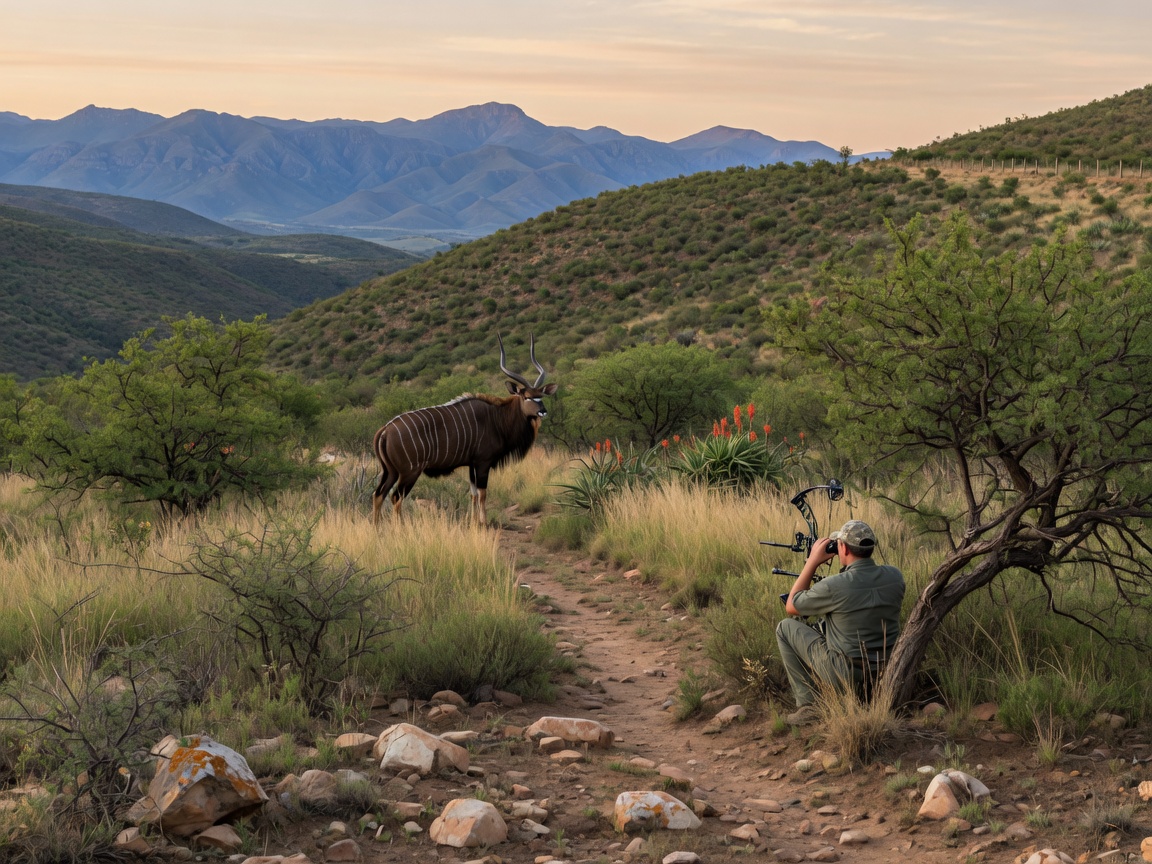
When planning any of these destinations, timing and preparation matter. The prime hunting season runs from April to October, avoiding the peak summer rains that can limit access and disperse game. Secure your booking 12 to 18 months ahead, especially for peak dry-season dates, as top concessions fill with repeat clients. Choose outfitters affiliated with recognized bodies who provide transparent quota information, detailed hunt reports, and clear conservation contributions. Essential gear includes a reliable .270 to .300 caliber rifle with quality optics, sturdy boots for sandy terrain, layered clothing for cool mornings and hot afternoons, and a good pair of binoculars. Work with your professional hunter on shot opportunities that ensure clean, ethical kills. Health considerations include standard travel vaccinations, malaria precautions in some zones, and comprehensive travel insurance covering hunting activities.
Practical tips from years in the field include prioritizing camps with strong track record on meat utilization and community share programs—this reinforces the conservation ethic. Discuss trophy handling and export documentation early, as Botswana maintains rigorous CITES and veterinary protocols. Many hunters combine a plains game focus with a few days of specialized pursuits or photographic elements for non-hunting companions. Budget realistically for daily rates, trophy fees, charter flights, and tips; quality experiences in Botswana represent strong value when measured against trophy standards and wilderness immersion.
Botswana's plains game destinations succeed because they balance hunter opportunity with long-term wildlife health. Population surveys and adaptive quota setting help maintain robust herds, while economic incentives reduce human-wildlife conflict. Choosing these areas supports a proven system where hunting acts as a tool for preservation rather than mere extraction. Whether you seek the desert challenge of the Kalahari, the diverse bush of Tuli, or the open expanses of Ghanzi, you will find hunts that test skill, reward patience, and leave a positive legacy.
Ready to experience Botswana's exceptional plains game for yourself? Research reputable outfitters, review recent hunt reports, and secure your dates soon. Contact a trusted booking agent specializing in southern African safaris to match your goals with the right concession. Ethical, well-planned hunts in these destinations deliver memories and trophies that last a lifetime while advancing real conservation on the ground. Start planning your Botswana plains game adventure today and join the ranks of hunters who return year after year.