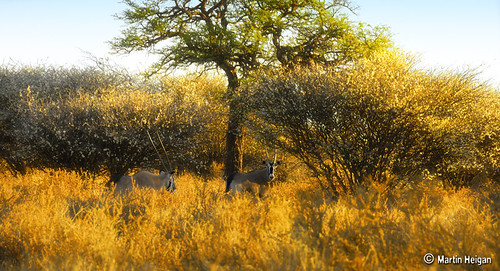
The Kalahari Desert stretches across vast stretches of Botswana, Namibia, and South Africa, offering one of Africa's most iconic hunting experiences. Among its legendary game animals, the gemsbok stands out as a true desert specialist. With its striking black-and-white face mask, long straight horns, and incredible endurance, the gemsbok (also known as the South African oryx) challenges even seasoned hunters. Timing your hunt correctly can mean the difference between a tough, unsuccessful stalk and a memorable fair-chase encounter under endless blue skies. This guide breaks down the best time to hunt gemsbok in the Kalahari, backed by animal behavior patterns, climate data, and practical field experience so you can plan with confidence.
Gemsbok thrive in arid environments where few other large antelope survive. They extract moisture from plants and can go extended periods without free water, which shapes when and where you find them. Understanding seasonal shifts in the Kalahari is essential. The region experiences a hot wet season roughly from November to April and a cooler dry season from May to October. These periods dramatically affect visibility, animal concentration, vegetation cover, and hunter comfort.
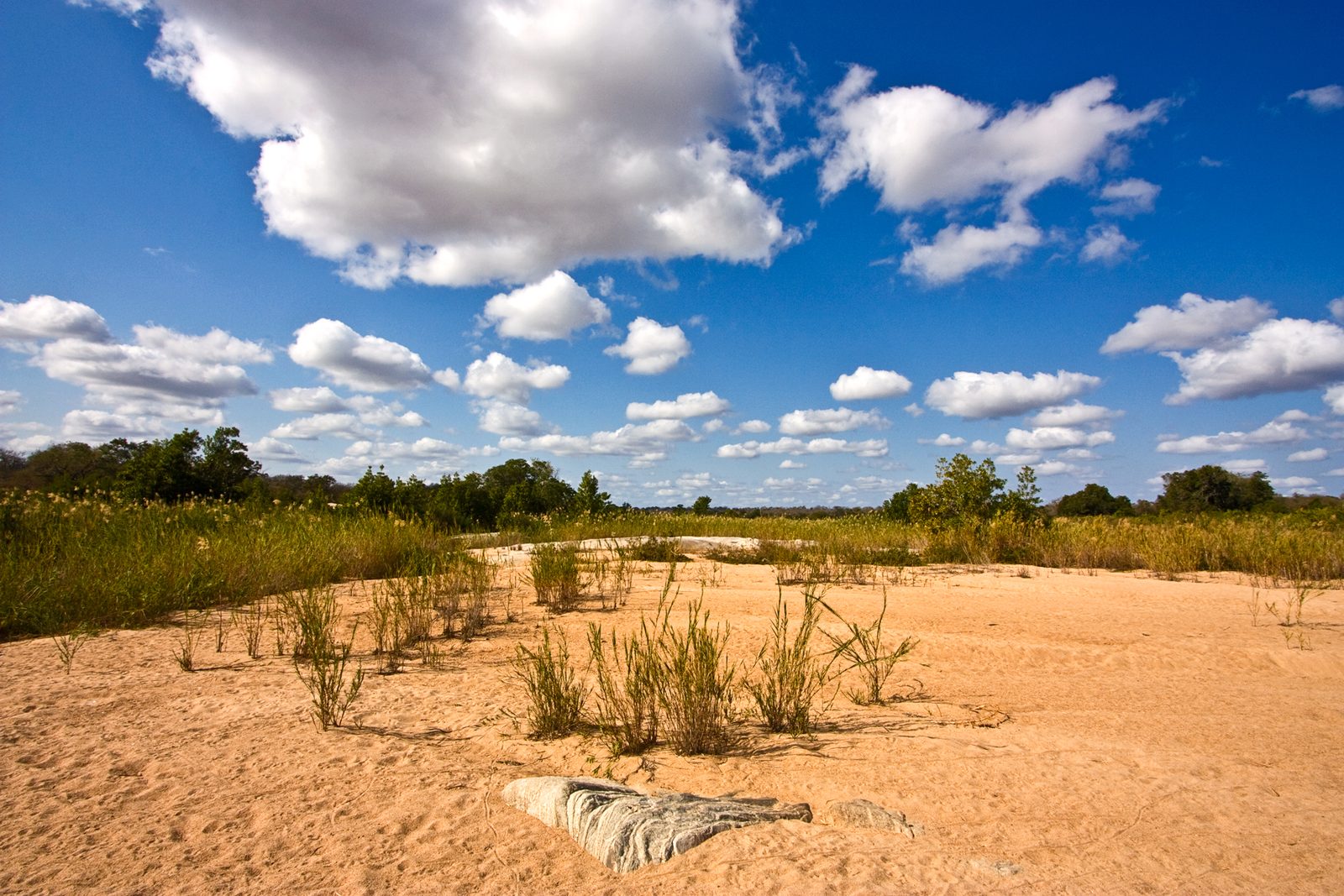
Most experienced professional hunters and outfitters agree that the prime window for gemsbok hunting falls in the dry winter months, specifically June through September. During this period daytime temperatures typically range from the mid-60s to low 80s Fahrenheit (around 18-28°C), making long stalks far more comfortable than the blistering summer heat that regularly exceeds 100°F (38°C). Nights can drop near freezing, so layered clothing is a must, but the cool air keeps both hunters and trackers sharp. Rainfall is minimal, so dust and sparse vegetation improve glassing distances dramatically. Gemsbok often move toward remaining water sources, pans, and green patches in riverbeds, creating predictable patterns that skilled trackers exploit.
In the early dry season (May to June), residual moisture from the rains still supports more widespread forage. Gemsbok are more dispersed, which can mean covering more ground, yet the animals are in excellent condition after the green season. Bulls carry impressive horn length and body mass. Mid-dry season (July and August) is widely regarded as peak time. Water becomes scarce, herds and bachelor groups concentrate, and tracks are easier to read in the soft sand. Many hunters report higher success rates because animals are forced into more visible routines between feeding areas and limited water. By September and early October the heat begins climbing again and animals grow more nocturnal, so early starts and late finishes become critical.
The wet summer months present a different challenge. Lush grass and bush can hide gemsbok until you are nearly on top of them. Thunderstorms turn tracks to mud and roads to impassable clay. While some free-range properties remain open year-round and trophy quality stays high, the physical demands rise sharply and photographic opportunities for clean open-country stalks decline. That said, a summer hunt can reward the prepared hunter with unique green-season scenery and fewer visiting sportsmen. Always confirm local rainfall forecasts and property conditions with your outfitter, as the Kalahari's weather can vary significantly from year to year.
Recent climate observations show slightly more variable rainfall patterns across the southern Kalahari, with some seasons experiencing delayed rains or prolonged dry spells. These shifts reinforce the value of flexible booking windows and working with operators who monitor real-time conditions. Sustainable quotas and community conservancies in Namibia and Botswana continue to support healthy gemsbok populations, proving that well-regulated hunting remains a cornerstone of habitat protection and anti-poaching efforts. Choosing an ethical outfitter who prioritizes older mature bulls over younger animals helps maintain herd genetics and long-term viability.
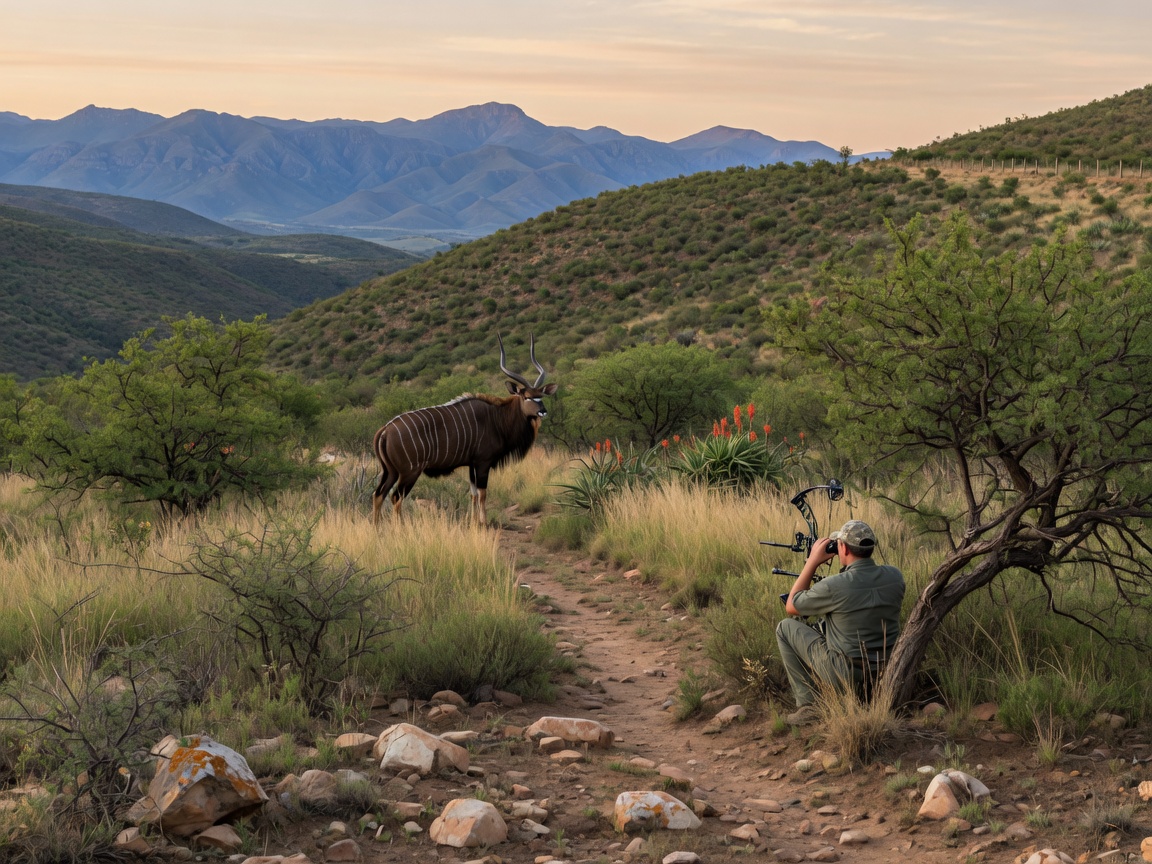
Practical preparation multiplies your odds regardless of the month you choose. Invest in quality 10x42 binoculars and a reliable rangefinder; gemsbok often stand motionless in open scrub at 200-400 yards. A flat-shooting caliber such as .270 Winchester, 7mm Remington Magnum, or .300 Winchester Magnum paired with premium bonded bullets is ideal. Practice shooting from sticks, as most shots occur in relatively open terrain. Footwear with good ankle support is non-negotiable on the soft sand and calcrete pans. Hydration packs, sun protection, and a light base layer for cold mornings round out the essentials. Trackers in the Kalahari are among the best in Africa; trust their reading of spoor, dung freshness, and wind direction.
Ethics sit at the heart of every responsible gemsbok hunt. These animals are tough and can travel long distances after a marginal hit, so shot placement through the heart-lung area is critical. Never take a low-percentage running shot. Confirm that your outfitter follows fair-chase principles and that the property maintains healthy populations through proper wildlife management. Many Kalahari operations reinvest hunting revenue into water-point maintenance, predator control where needed, and local employment, directly linking your hunt to conservation success.
When you book, ask detailed questions about recent trophy quality, hunting style (walk-and-stalk versus limited vehicle use), and whether the area is free-range or high-fenced. Free-range Kalahari gemsbok deliver a purer desert experience, while well-managed ranches can offer consistent opportunities. Combine your gemsbok hunt with springbok, red hartebeest, or even a desert-adapted lion or leopard package if regulations and your budget allow. Always secure the necessary permits and understand CITES or export requirements well in advance, especially if you plan to bring a trophy home.
The Kalahari rewards patience and respect. Standing on a red dune at first light, glassing a string of gemsbok as the sun paints their horns gold, is a moment that stays with a hunter forever. By targeting the dry season peak of June through September you stack the odds in favor of success while enjoying the desert at its most hospitable. Yet any carefully planned trip, guided by local knowledge and ethical standards, can produce a lifetime memory.
Ready to experience the ultimate desert hunt? Contact a reputable Kalahari outfitter today, review current season reports, and start preparing your gear. The gemsbok of the red sands are waiting. Share your own Kalahari stories or questions in the comments below, and explore our related guides on African plains-game calibers and packing lists for desert safaris. Tight lines and straight shooting.