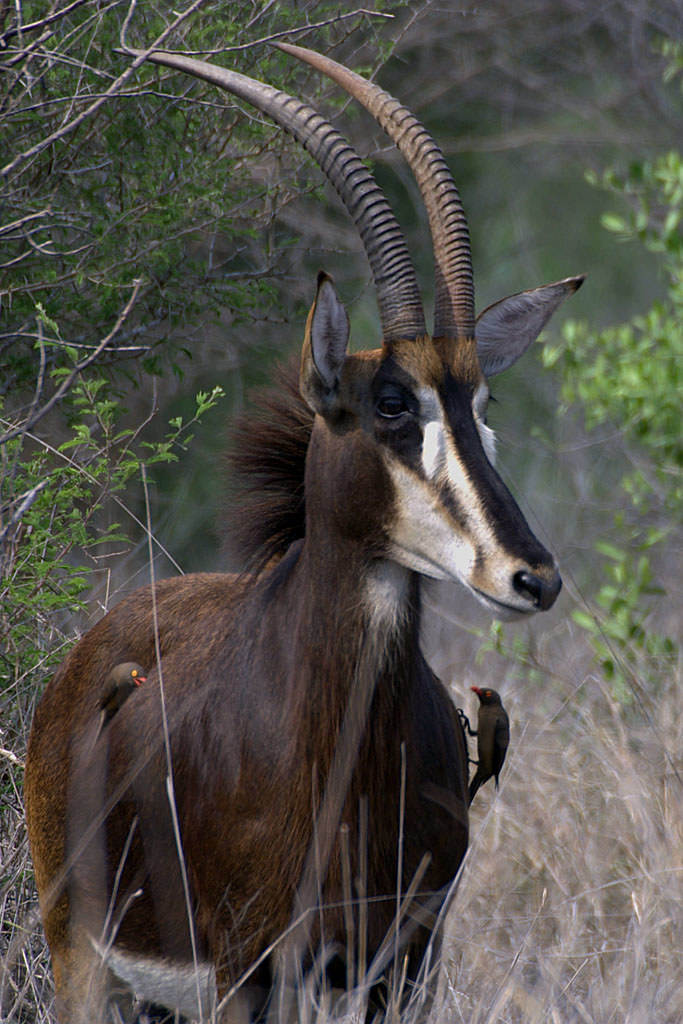
Nothing gets a hunter's heart racing quite like spotting a sable bull stepping into a clearing in the African bush. Those sweeping black horns, the striking contrast of dark coat against white belly, the powerful build—it is pure African hunting magic. But excitement can cloud judgment fast. Taking a shot at the wrong animal not only wastes a once-in-a-lifetime opportunity but can harm conservation efforts. Knowing how to judge sable trophy quality before the shot separates ethical, successful hunters from those who regret their decisions later.
Sable antelope, particularly the common sable and the rarer giant sable, rank among Africa's most coveted plains game trophies. Mature bulls develop impressive scimitar-shaped horns that curve backward gracefully. According to records from organizations like Safari Club International and Rowland Ward, a solid representative trophy starts around 40 inches of horn length, with exceptional animals pushing past 45 inches and true monsters exceeding 50. Yet length alone does not tell the full story. Mass, tip shape, symmetry, and the animal's age all factor into true trophy quality. Rushing the assessment leads to undersized or immature animals on the ground—something no responsible hunter wants.
Start by estimating horn length from a distance. This takes practice and a good spotting scope or binoculars. Compare the horns to the animal's body proportions. A mature sable bull's head length from nose to the base of the horns is roughly 16 to 18 inches. If the horns appear at least two and a half times the head length when viewed from the side, you are likely looking at something in the 40-plus inch range. Look at how far the horns extend past the shoulder line when the animal stands broadside. On a good bull, the tips should reach well beyond the withers. Remember that heat haze, distance, and angle can distort perception. Always try to view the animal from multiple angles if possible—front, side, and three-quarter views reveal different aspects of horn curl and length.
Horn mass and shape matter just as much as raw length. Trophy judges and experienced professional hunters look for deep bases, heavy beams, and elegant curves without excessive palmation or deformity. Tips should be sharp and intact rather than broomed or broken from fighting. Rings on the horns can give age clues; sable add rings roughly annually after maturity, though counting them accurately in the field is tough without a close look. A bull with thick, dark horns that carry mass well out toward the tips usually indicates a prime older animal. Younger bulls often show thinner horns with more pronounced ridges near the base and less overall weight.
Age determination goes beyond horns. Body characteristics reveal maturity clearly. A trophy-class sable bull typically shows a deep chest, thick neck, and that signature jet-black coat with crisp white facial markings and underparts. Younger bulls and cows retain more brown or reddish tones. Look for a pronounced shoulder hump and heavy muscle development along the neck and shoulders—signs of a bull that has survived several breeding seasons. Worn teeth or a slightly swayed back can indicate advanced age, but these details usually require closer observation than a hunting situation allows. Behavior offers clues too. Mature herd bulls often hold themselves with confidence, moving deliberately and keeping younger males at bay. Solitary older bulls wandering alone can be past-prime trophies with heavy horns but declining body condition; decide based on your personal goals and the outfitter's guidance.
Field conditions in places like Zimbabwe, Zambia, Tanzania, or South Africa demand patience. Sable prefer mixed woodland and grassland edges, often near water. Early morning and late afternoon provide the best light for glassing. Use terrain to your advantage—get above the animal when possible for a clearer silhouette of the horns against the sky or open ground. Never rely on a single quick glance. Spend time watching the bull feed or interact. Professional hunters accompanying most safari clients bring invaluable local knowledge of what constitutes a good representative for that specific area. Population genetics and habitat quality mean a 42-inch bull in one concession might be exceptional while average in another. Trust their experience while developing your own eye.
Ethics sit at the core of judging trophy quality. Modern hunting supports conservation through license fees, anti-poaching funding, and habitat protection. Shooting immature bulls removes future breeding potential and diminishes the quality of the gene pool over time. Data from African wildlife management programs consistently show that selective harvest of mature males sustains healthy populations. If the animal does not clearly meet trophy standards or you feel uncertain, pass the shot. There will be other opportunities. Many veteran hunters will tell you the ones they passed on taught them more than the ones they took. Fair chase principles mean giving the animal every chance and making clean, decisive decisions only when quality is confirmed.
Practical tips sharpen your skills before the safari even begins. Study high-quality photos and videos of measured sable trophies online and in record books. Visit taxidermy studios or museums if possible to handle horns and understand real-world proportions. Practice estimation techniques on cattle or other antelope at home ranges. Once in the field, ask your PH to quiz you on animals you glass together—compare notes without pressure. Carry a small notebook or use your phone to sketch quick horn profiles and note estimated lengths against later measurements. Weather, vegetation density, and herd dynamics all influence visibility, so adapt. In thicker mopane or miombo woodland, you may only get brief windows; train yourself to assess key features rapidly yet carefully.
Recent shifts in hunting regulations and client expectations emphasize quality over quantity. Many operators now promote "management" or "representative" trophies alongside record-book pursuits, aligning with sustainable use models backed by organizations such as the International Council for Game and Wildlife Conservation. Hunters increasingly value the full experience—tracking, glassing, the stalk—over inches alone. A well-judged 41-inch bull taken cleanly after a tough hunt often brings more satisfaction than a rushed giant. Climate patterns and habitat changes in southern Africa have influenced sable distribution slightly in recent years, making local knowledge even more critical for locating mature animals.
When the moment of truth arrives and a quality bull stands broadside at ethical range, you will know. The horns look heavy and long relative to the body, the coat gleams black, the stance radiates maturity. Breathe, confirm the shot angle, and execute. Afterward, take proper field measurements—tip to tip, length along the curve, basal circumference—and record them accurately for your records and any official submissions. Celebrate the animal with respect. Proper care of the cape and horns ensures a lasting mount that tells the story of careful judgment.
Mastering sable trophy evaluation elevates every African hunt. It deepens your connection to the wildlife, supports conservation through selective harvest, and produces memories free of second-guessing. Next time you sit in a blind or ease through the bush after sable, apply these principles. Glass thoroughly, judge honestly, and only squeeze the trigger when the quality matches your standards and the species' future. The African wilderness rewards patient, ethical hunters. Get out there, learn continuously, and chase those magnificent black bulls with skill and respect. Share your own sable judging experiences with fellow hunters and keep the tradition of responsible sport strong.