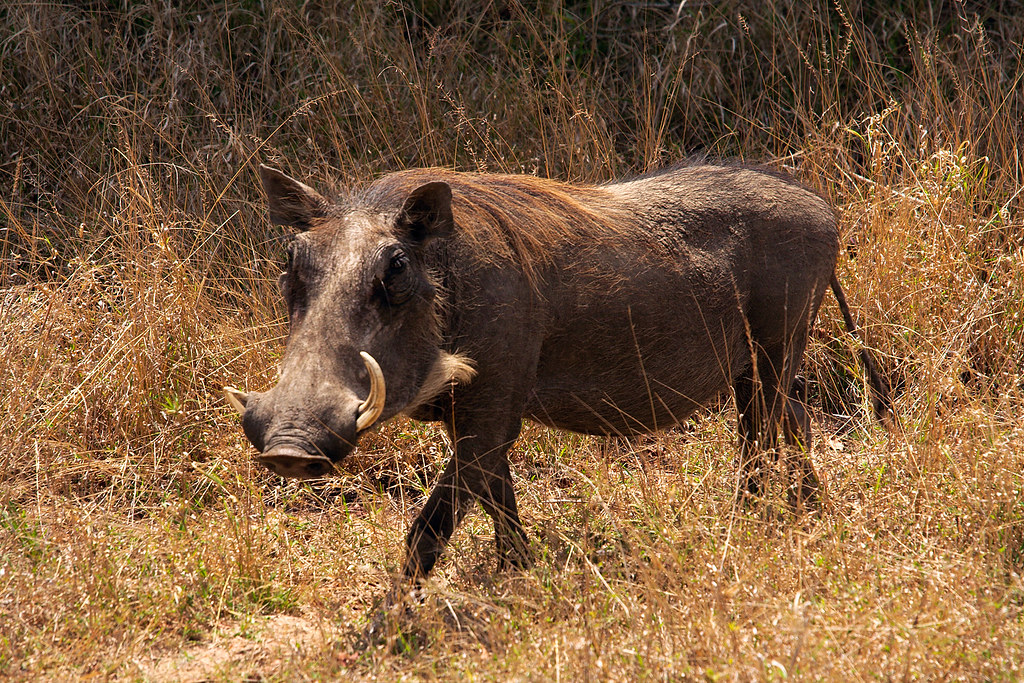
The South African Bushveld offers some of the most thrilling plains game hunting on the planet, and few animals deliver the mix of challenge, excitement and reward quite like the warthog. These tough, intelligent suids with their distinctive tusks and radar-like tails have earned a special place among hunters who value fair chase and memorable stalks. Whether you are a first-time visitor chasing your initial African trophy or a seasoned hunter looking to refine your approach, success with warthogs demands knowledge of their habits, the right tactics and a deep respect for the land and the animal.
Warthogs thrive across the Bushveld’s mixed savanna, acacia woodlands and open grasslands. They favor areas near water sources, old aardvark burrows and wallows where they can cool off and escape predators. Unlike many game animals that become almost exclusively nocturnal under hunting pressure, warthogs remain largely diurnal. Peak activity occurs in the early morning and late afternoon when they emerge to feed on roots, grasses, bulbs and the occasional carrion. Family sounders led by a mature sow are common, while big boars often roam alone or in bachelor groups. Understanding this social structure helps you decide when to take a shot and when to pass for a better opportunity later.
Timing your hunt correctly multiplies your chances. The dry winter months from May through August generally provide the best conditions in the Bushveld. Vegetation thins out, waterholes concentrate animals, and tracks show clearly in the dusty soil. Early mornings after a cool night often find warthogs still near their burrows, while late afternoons see them moving purposefully toward feeding grounds. Midday can be slow, but patient hunters watching waterholes or known wallows still score. Recent outfitter reports from Limpopo and North West provinces confirm that consistent success rates hold when hunters focus on these windows and avoid the extreme heat of summer when animals seek deep shade.
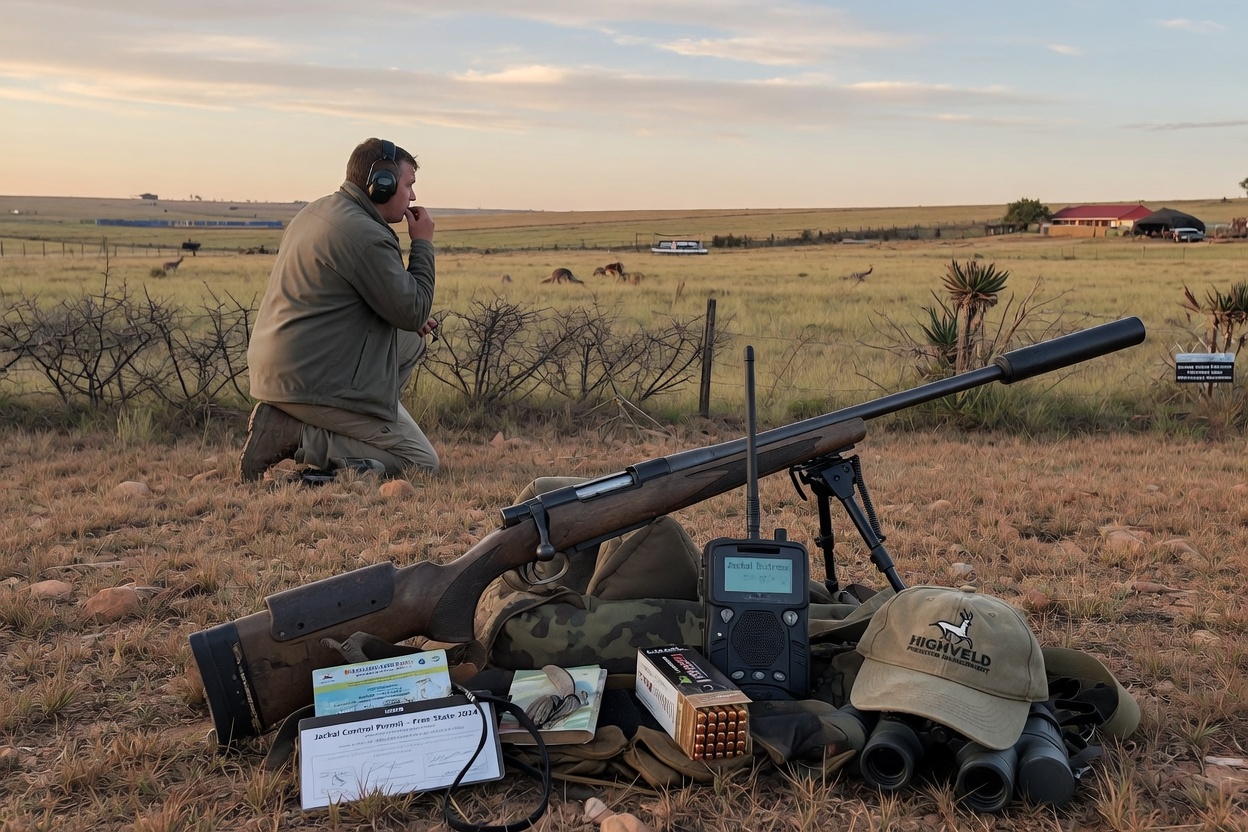
Gear selection should prioritize reliability and mobility. A flat-shooting caliber in the .243 Winchester to .308 Winchester range handles warthogs cleanly when shots are placed correctly. Many professional hunters favor the .270 Winchester or 7mm-08 for their balance of power and manageable recoil on longer stalks. Premium soft-point or bonded bullets in the 130-150 grain range expand reliably on the tough shoulder hide. A quality pair of 8x42 or 10x42 binoculars is non-negotiable for glassing open vleis and tree lines. Lightweight, thorn-resistant clothing in muted greens and browns blends into the Bushveld better than pure camouflage patterns designed for dense forest. Sturdy ankle-supporting boots save your feet during long walks across broken ground, and a compact shooting stick or bipod steadies those 80- to 150-yard opportunities that so often present themselves.
The two most productive methods remain the classic spot-and-stalk and careful still-hunting near high-traffic areas. Start by glassing from elevated ground or the edge of a clearing at first light. Once you locate a sounder or solitary boar, plan your approach using available cover and always keeping the wind in your favor. Warthogs possess an excellent sense of smell and decent eyesight for movement. Move only when their heads are down feeding or when they are facing away. Short, deliberate steps and frequent pauses pay off. Around waterholes or active burrows, a well-sited pop-up blind or simply sitting quietly against a termite mound can produce close-range shots. Many experienced hunters walk the edges of cultivated lands or old farm roads at dawn, reading fresh tracks and droppings to intercept animals returning from nighttime forays.
Shot placement is critical for a clean, ethical kill. The vital heart-lung area sits tightly behind the shoulder. On a broadside animal, aim one-third of the way up the body immediately behind the front leg. Avoid the heavy shoulder bone if possible, though modern bullets will break through if needed. Frontal shots are risky because of the thick skull and small brain; quartering-away angles offer a good alternative by angling the bullet through the off-side shoulder. Always be prepared for a follow-up. A wounded warthog can cover ground quickly and may charge if cornered, using those sharp lower tusks with surprising aggression. Mark the exact spot of the hit, wait at least twenty minutes if the animal runs, and then track carefully with your professional hunter. Good blood-trailing skills and a calm dog, where permitted, turn potential losses into recovered trophies.
Ethics and conservation sit at the heart of every responsible Bushveld hunt. Warthog populations remain healthy across much of South Africa thanks to their high reproductive rate and adaptability. Regulated hunting provides vital income for landowners who maintain habitat and control numbers that might otherwise damage crops or compete with other species. Choose outfitters who practice fair chase, adhere to provincial bag limits and contribute to anti-poaching efforts. Never shoot a sow with dependent piglets, and take time to judge tusk length and overall trophy quality rather than firing at the first animal that appears. The meat is excellent when properly cared for—rich, lean and ideal for sausages or potjiekos—so plan to utilize as much as possible. Leaving nothing wasted honors both the animal and the hunting tradition.
One personal lesson learned over multiple seasons stands out: patience beats speed every time. I once spent three full days glassing the same stretch of mopane woodland before a heavy-bossed boar finally stepped into an opening at last light. The resulting 120-yard shot was straightforward only because the wind had been watched meticulously and the approach made without haste. That tusked warrior now hangs as a reminder that the Bushveld rewards those who slow down and observe.
Preparation also includes physical fitness and mental readiness. Long walks in soft sand or rocky terrain under the African sun test even fit hunters. Hydrate constantly, wear a wide-brimmed hat and carry electrolyte supplements. Study recent trail-camera photos from your outfitter if available, and discuss preferred shooting distances and backup plans before heading out each morning. These small steps separate frustrating near-misses from consistent success.
As you plan your next safari, remember that warthog hunting delivers far more than a set of ivory tusks. It immerses you in the rhythm of the Bushveld, sharpens your stalking skills and connects you to a conservation model that has brought many species back from the brink. Whether you seek a management animal for the pot or a heavy-tusked trophy boar, the principles remain the same: respect the animal, trust proven tactics and hunt with integrity.
Ready to put these tips into action? Contact a reputable South African outfitter today, study the latest provincial regulations and start preparing your gear. Share your own Bushveld warthog stories in the comments below—we can all learn from each other. Tight lines and straight shooting. The Bushveld is calling.