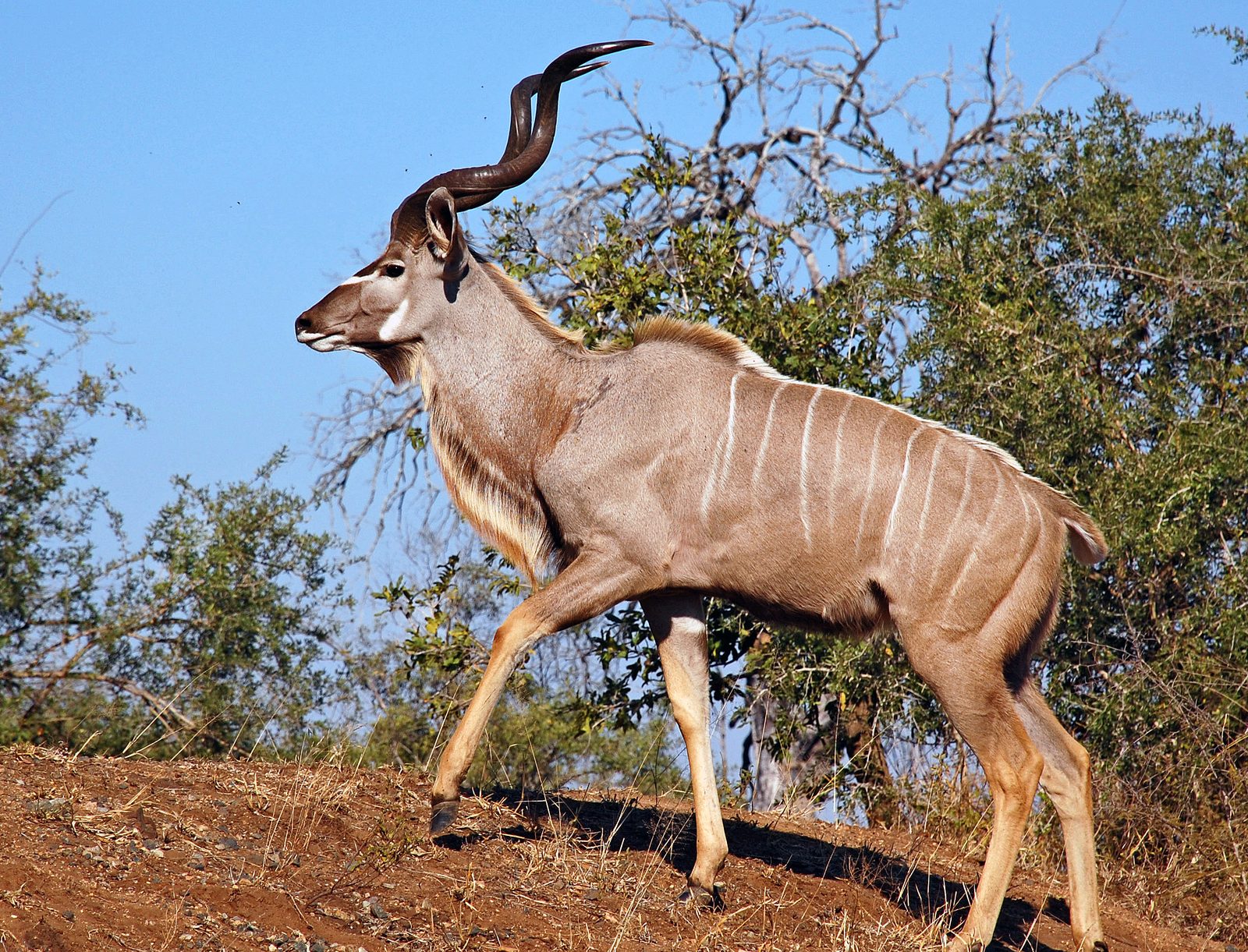
The greater kudu stands as one of Africa's most iconic and challenging trophies, with its majestic spiral horns and shy nature making every encounter in the Limpopo Bushveld a true test of skill. For hunters seeking an authentic African plains game experience, kudu hunting in the Limpopo region of South Africa offers dense thornveld, rocky outcrops and riverine thickets that demand patience, sharp eyes and solid woodcraft. This guide shares proven tips drawn from years in the field to help you succeed while prioritizing ethical hunting and wildlife conservation.
Limpopo Province remains one of the premier destinations for kudu because of healthy populations supported by well-managed private reserves and conservancies. Recent wildlife surveys from South African conservation bodies indicate stable to increasing kudu numbers in many bushveld areas thanks to habitat protection and anti-poaching efforts funded in part by hunting revenue. Sustainable trophy hunting continues to play a vital role here, generating income that supports local communities and land set aside for wildlife rather than agriculture. Always book through reputable outfitters who follow fair-chase principles and hold the proper permits.
Understanding kudu behavior is the foundation of success. Bulls are most active at dawn and dusk, often moving between feeding areas of leaves, shoots and fruits and thicker cover during the heat of the day. In the Limpopo Bushveld they favor mopane woodlands, acacia thickets and areas near water. Look for fresh tracks showing the distinctive heart-shaped print, fresh droppings and browse lines on bushes. Kudu have exceptional eyesight and hearing, so wind direction is critical. Always hunt into the wind and move slowly. Many experienced hunters report that the biggest bulls become almost nocturnal under pressure, so early mornings after a cool night can produce the best opportunities.
Timing your hunt correctly improves odds dramatically. The dry winter months from May through August are ideal in Limpopo. Vegetation thins out, water sources concentrate animals, and visibility improves. The rut often peaks around April to June, when bulls become more vocal and less cautious as they seek cows. Shoulder seasons can still be productive but expect thicker bush and more challenging stalks. Check current rainfall patterns with your outfitter, as late rains can keep the bush greener longer and scatter game.
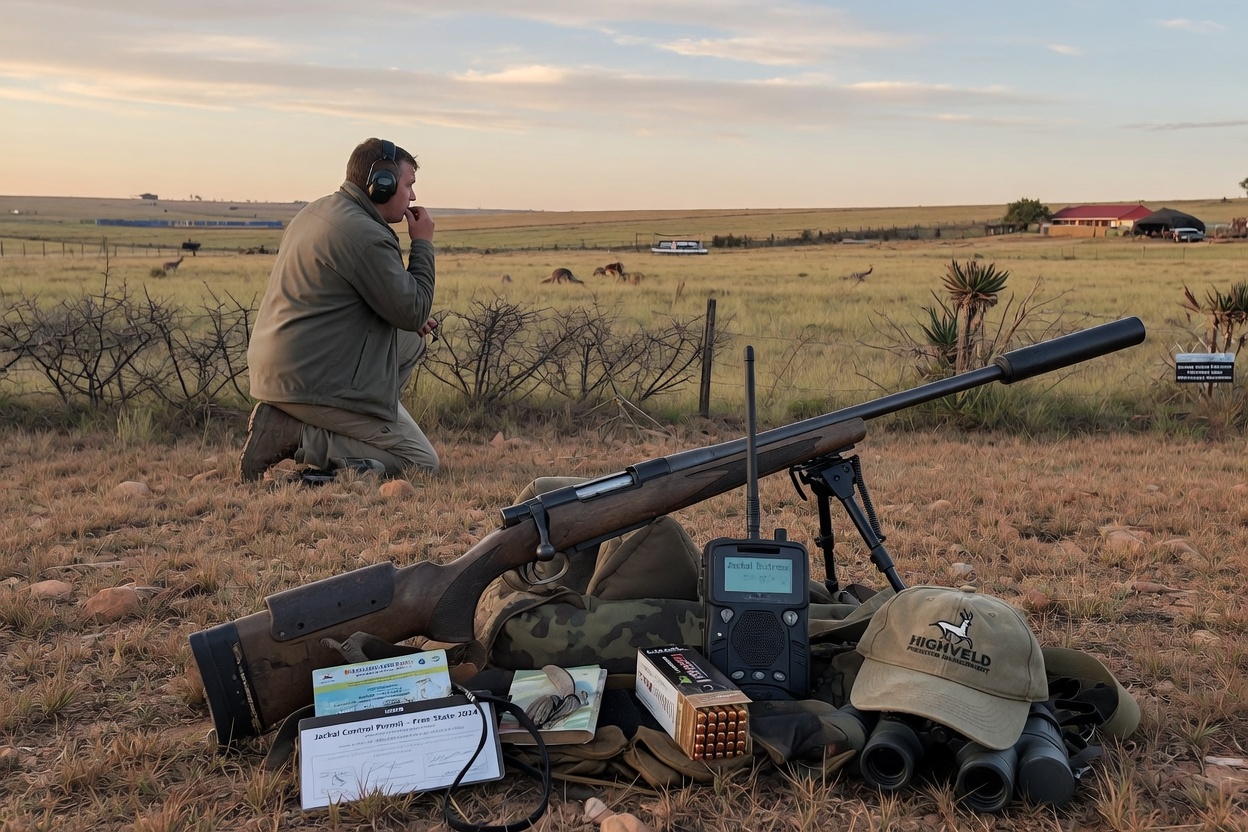
Gear selection matters in this environment. A reliable bolt-action rifle in .300 Winchester Magnum, .308 Winchester or 7mm Remington Magnum with quality 150-180 grain soft-point or bonded bullets handles kudu cleanly at typical bushveld ranges of 50 to 200 yards. Many professional hunters recommend a variable scope in the 2-7x or 3-9x range for quick target acquisition in cover. Binoculars of at least 8x42 or 10x42 are essential for glassing distant ridges and thickets. Wear muted earth-tone clothing that blends with the grey-brown bush, sturdy boots for rocky ground, and carry a daypack with water, snacks, a rangefinder and basic first-aid supplies. Practice shooting from sitting and kneeling positions, as clear prone shots are rare in the thornveld.
Stalking and tracking form the heart of kudu hunting in Limpopo. Once fresh sign is located, move quietly using available cover and freeze at any sudden movement. Kudu often freeze themselves when alarmed, relying on their striped camouflage. A good PH will help read the bush, but develop your own ability to spot the flick of an ear or the horizontal line of a back among vertical branches. When a bull is located, assess horn length carefully. A mature Limpopo bull typically carries horns of 50 inches or more, with exceptional animals exceeding 55-60 inches. Take time to confirm it is a mature animal past its prime breeding years when possible. Ethical hunters pass on younger bulls to maintain healthy genetics in the population.
Shot placement must be precise. Aim for the heart-lung area just behind the shoulder, one-third of the way up the body. Kudu are large antelope, with bulls weighing 200-300 kg, and a poorly placed shot can lead to long tracking jobs in thick cover. After the shot, wait and watch. Mark the exact spot and approach carefully with your PH. Always follow up wounded animals immediately and never leave an animal unaccounted for. This commitment to clean kills and full recovery reflects the respect every hunter owes the game.
Conservation and ethics remain non-negotiable. Choose operators who participate in recognized conservation programs and who set quotas based on scientific population data. Hunting revenue in Limpopo has helped fund fence maintenance, water point development and community employment, according to reports from the Professional Hunters Association of South Africa. Practice fair chase by avoiding artificial feeding or fencing that removes the animal's chance to escape. Respect local regulations on caliber minimums, hunting hours and bag limits. Share camp stories that celebrate the animal and the experience rather than just the inches of horn.
Additional practical tips include hiring an experienced tracker who knows the specific property. Learn a few basic phrases in the local language to build rapport with staff. Stay hydrated and protect yourself from the sun and ticks common in the bushveld. Keep noise to a minimum in camp and in the field. Photograph the landscape and the living animals as much as the trophies. Many hunters find that the memories of watching a kudu bull ghost through the mopane at last light outweigh even the successful shot.
Kudu hunting in the Limpopo Bushveld rewards those who prepare thoroughly, hunt patiently and act responsibly. The combination of challenging terrain, wary game and rich conservation legacy creates hunts that stay with you for life. Whether you are planning your first African safari or returning for another spiral-horn trophy, apply these tips and you will increase your chances of success while contributing to the future of the species and the wild places they inhabit.
Ready to experience the thrill yourself? Contact a trusted Limpopo outfitter today, review their conservation credentials, and start preparing for an unforgettable ethical hunt. Share your own bushveld stories in the comments and join the community of hunters dedicated to preserving Africa's wildlife heritage for generations to come.