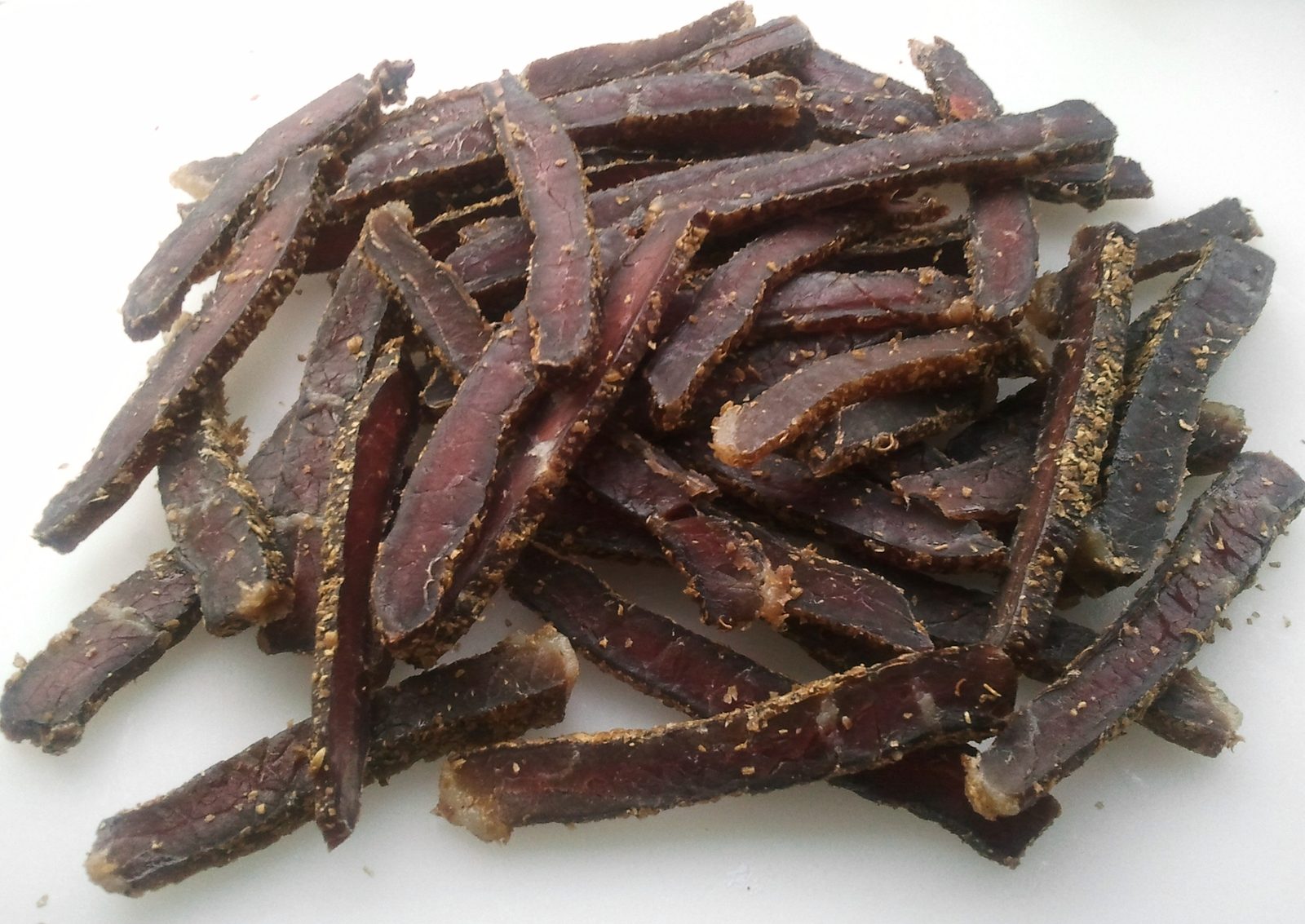
There is nothing quite like the satisfaction of turning a hard-earned impala harvest into traditional biltong. As hunters, we know the real work begins after the shot. Processing your own game connects you deeper to the land, honors the animal, and puts exceptional protein on the table. Impala, with its lean, mild-flavored meat, ranks among the finest choices for biltong. This guide walks you through every stage so you can produce restaurant-quality biltong right from your next African hunt or farm harvest.
Impala has long been prized across southern Africa for biltong. The meat is naturally low in fat, which helps it dry evenly and develop that classic chewy-yet-tender texture. Modern hunters continue the tradition started by Dutch settlers who needed a reliable way to preserve meat without refrigeration. Today we blend those time-tested methods with current food-safety knowledge. Studies from South African meat science researchers confirm that proper vinegar marination and controlled drying reduce bacterial risks while locking in flavor. Always prioritize clean handling from the moment the animal is down.
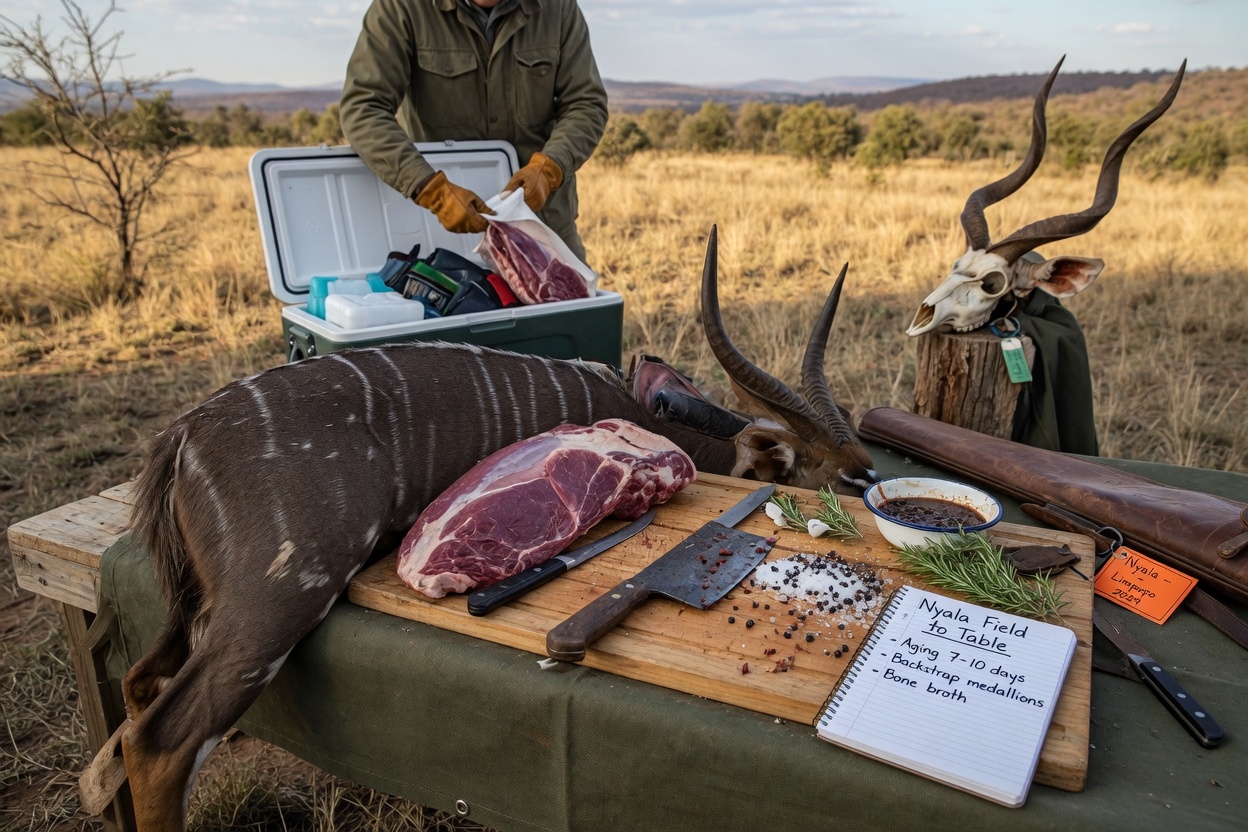
Start with ethical harvest and careful field care. A clean, well-placed shot on a mature impala keeps stress hormones low and meat quality high. Cool the carcass quickly. In warm climates, get the meat into shade or a cooler within the first hour. Once back at camp or the butcher shed, skin and quarter promptly. For biltong you want the larger muscle groups: the silverside, topside, and eye of round from the hindquarters, plus the backstrap if it is thick enough. Trim away all visible fat, silver skin, and connective tissue. Fat turns rancid during drying and spoils the batch. Aim for clean, uniform strips roughly one inch thick and six to twelve inches long. Thinner slices dry faster but can become brittle; thicker ones stay juicier if humidity is managed.
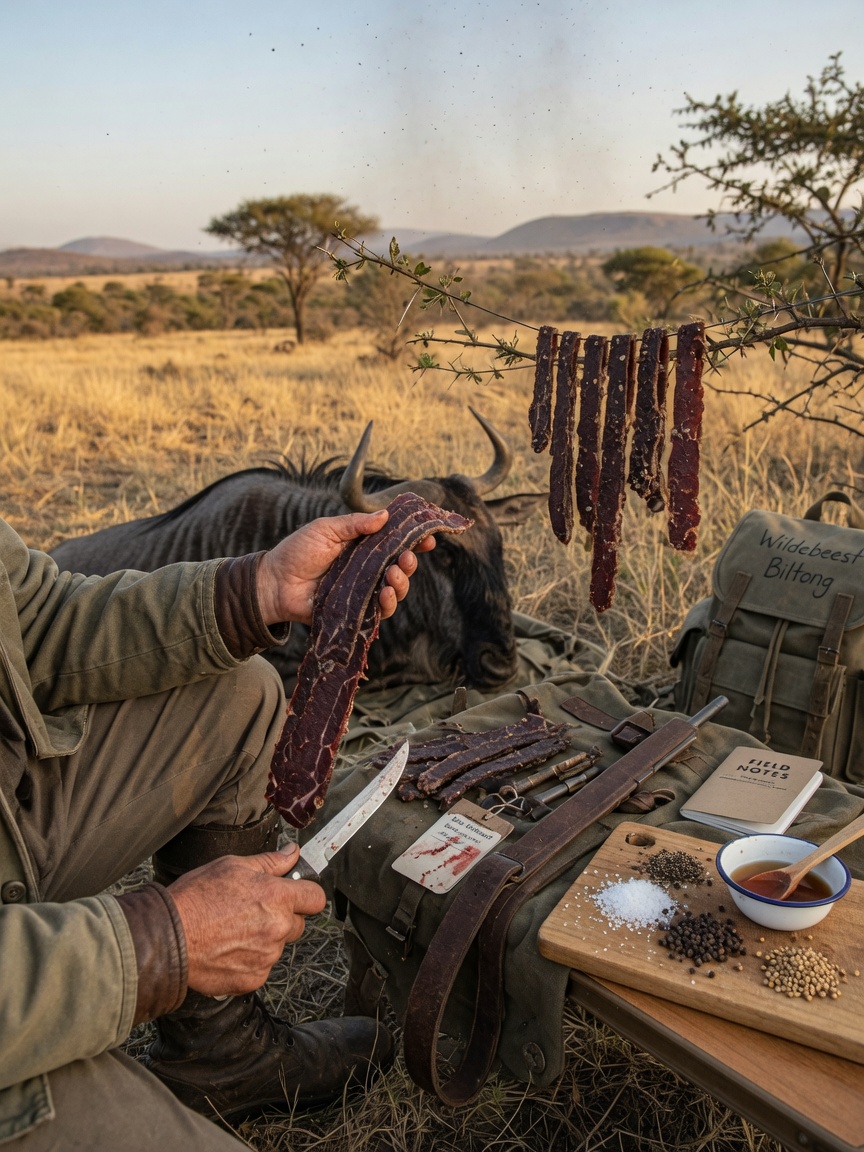
The spice and cure mix makes or breaks great biltong. Traditional recipes keep it simple yet bold. For every two kilograms of meat you will need roughly 30 grams of coarse salt, 15 grams of freshly roasted and coarsely ground coriander seed, 10 grams of black pepper, a pinch of bicarbonate of soda to tenderize, and optional chili flakes or brown sugar to taste. The real magic happens with the vinegar bath. Use good quality brown spirit vinegar or apple cider vinegar. Many experienced hunters now add a splash of Worcestershire sauce for depth. Mix the dry spices first. Dip each meat strip briefly in vinegar, then coat thoroughly with the spice blend. Layer the seasoned strips in a non-reactive container, pour any remaining vinegar over the top, cover, and refrigerate for 6 to 12 hours. Turn the meat once halfway through. This step both seasons and begins the preservation process by lowering surface pH.
Drying is where patience and environment matter most. Traditional biltong hangs in a well-ventilated, shaded spot with good airflow and low humidity, ideally between 30 and 40 percent relative humidity and temperatures around 25 to 30 degrees Celsius. In many African hunting camps a simple wire frame under a corrugated roof works perfectly. In wetter or colder climates, a purpose-built biltong box with a low-wattage light bulb or a modern food dehydrator set to 65 to 70 degrees Celsius gives reliable results. Hang the strips so they do not touch. Air must circulate freely on all sides. Drying time ranges from three to seven days depending on thickness and conditions. Check daily. Properly dried biltong feels firm on the outside yet yields slightly when squeezed; it should not be rock hard or still soft and raw in the center. A quick test: bend a piece. It should crack but not snap cleanly.
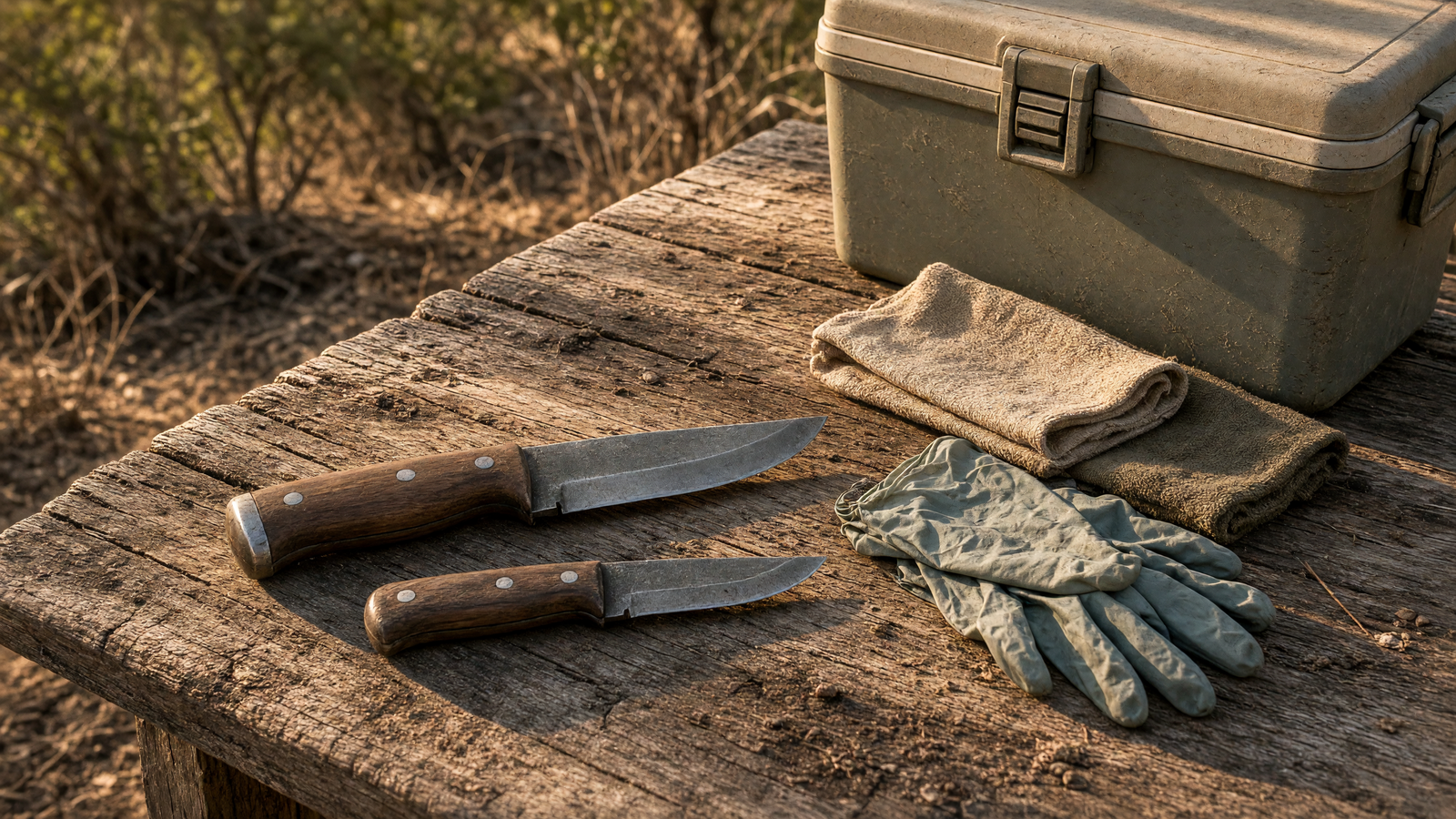
Food safety remains non-negotiable. Always start with fresh meat from a healthy animal. Keep knives, boards, and hands clean. If you hunt in areas with high fly pressure, protect hanging meat with fine mesh. Once dry, trim any overly hard ends and store the finished biltong in paper bags or breathable cloth in a cool, dry cupboard. Properly made biltong lasts weeks at room temperature and months in the refrigerator. For longer storage vacuum-seal and freeze. Never store it in plastic while still warm or moist, as trapped moisture invites mold.
A few hard-won tips from seasons in the bush will elevate your results. Roast whole coriander seeds yourself just until fragrant; pre-ground loses punch fast. If your climate is humid, a small fan on low speed prevents surface case-hardening that traps moisture inside. Some hunters lightly smoke the meat for an hour over mopane or apple wood before hanging for extra complexity, though purists prefer the clean vinegar-coriander profile. Taste a small piece after three days and adjust future spice levels. Remember that impala from different regions can vary slightly in flavor intensity, so keep notes on each batch.
Making biltong also supports the broader ethics of hunting. Using the entire usable carcass reduces waste and shows respect for the animal. Many outfitters and conservation areas now encourage hunters to process more meat themselves, which lightens the load on local butchers and keeps more value in the hunting community. When you share your biltong around the campfire or back home, you tell the story of a fair chase and responsible harvest. That connection strengthens public support for sustainable hunting.
You now have the complete process: select prime cuts, trim clean, cure with classic spices and vinegar, dry under controlled conditions, and store properly. The first batch you produce from your own impala will taste better than anything bought in a shop because you controlled every step. Fire up your next hunt with biltong in mind. Take photos of the process, experiment with a touch of garlic or smoked paprika if you like, and most importantly, share the finished product with fellow hunters. Drop a comment below with your favorite spice twist or drying setup. Tight lines, clean shots, and may your biltong racks always be full.