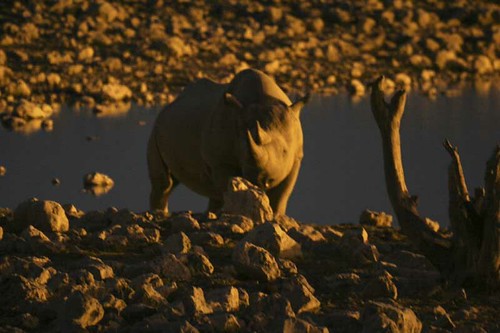
Rhinos face relentless pressure from poaching across Africa, yet Namibia stands out as a bright spot where populations of both black and white rhinos have stabilized and grown. The key driver behind this success is not what many expect. Regulated, ethical hunting plays a central role in funding protection, creating local incentives, and sustaining habitats. For hunters and conservationists alike, Namibia offers a clear example of how well-managed hunting supports rhino conservation rather than harming it.
Namibia’s approach rests on a simple principle established after independence: wildlife must deliver value to the people who live alongside it. Through communal conservancies and private reserves, communities gain legal rights to manage and benefit from wildlife. Trophy hunting forms a major part of that benefit. Hunters pay substantial fees for the opportunity to take older, non-breeding male rhinos under strict quotas set by the government and guided by scientific assessments. Those fees flow directly into anti-poaching patrols, habitat management, and community development projects.
Consider the numbers. Namibia is home to roughly one-third of Africa’s black rhinos and a healthy population of southern white rhinos. Black rhino numbers have risen steadily since the 1990s, from a few hundred to over 2,000 animals today, according to data from the Namibian Ministry of Environment, Forestry and Tourism and IUCN assessments. White rhino populations on private and communal land have also expanded. This growth occurred while limited hunting continued. The animals selected are typically post-reproductive bulls whose removal does not harm breeding rates and can even reduce fighting among males that sometimes injures or kills younger rhinos and calves.
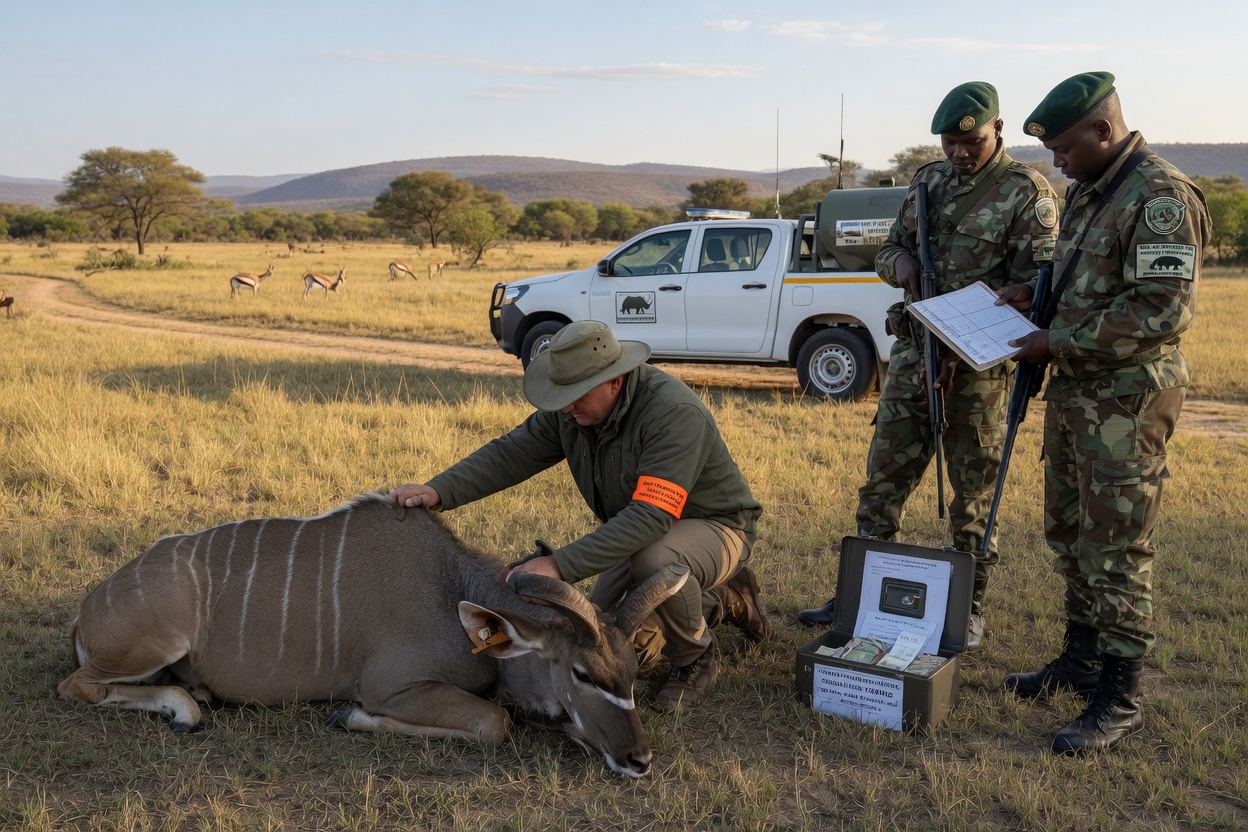
Revenue figures tell the practical story. A single black rhino hunt can generate hundreds of thousands of dollars. In recent years, high-profile auctions and permit sales have raised millions that go straight into conservation accounts. These funds pay for trained game guards, vehicles, tracking technology, and rapid-response units that make poaching far riskier and less profitable. In conservancies such as those in the Kunene and Erongo regions, hunting income has financed water points, schools, and clinics. When local people earn more from living rhinos than from dead ones sold to traffickers, poaching drops dramatically. Studies by organizations like the World Wildlife Fund and Namibian conservancy associations consistently show lower poaching rates in areas with active hunting programs compared to purely protected zones without economic returns.
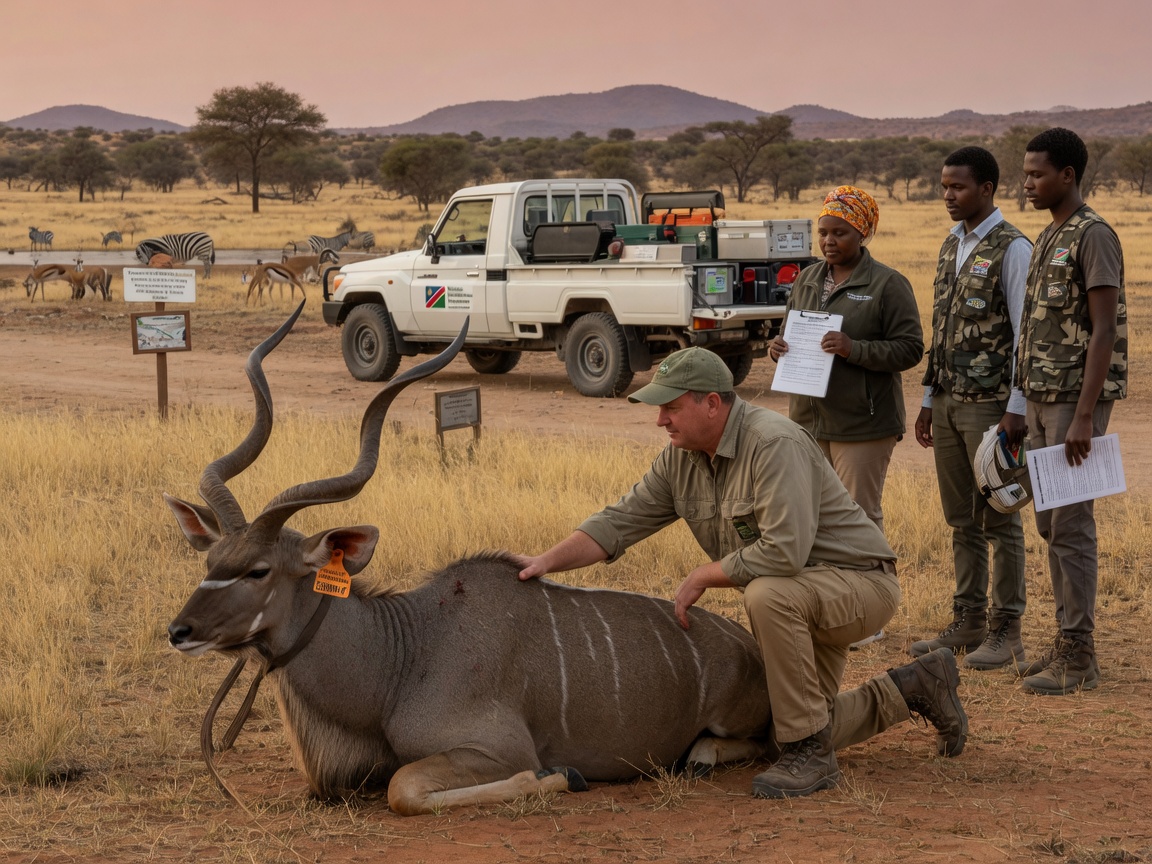
Ethical standards keep the system honest. Namibia operates under CITES regulations and its own rigorous permitting process. Only a tiny number of black rhinos—usually fewer than five nationally in any given year—are allocated for hunting, and each animal is carefully chosen by wildlife veterinarians and biologists. Hunters must be accompanied by professional guides and government monitors. The entire process emphasizes fair chase and respect for the animal. This is not indiscriminate killing; it is targeted management that mirrors natural selection by removing older individuals while protecting the breeding core of the population.
I have spoken with Namibian professional hunters and conservancy managers who describe the difference firsthand. One long-time operator in the northwest told me how community game guards, paid largely through hunting revenue, now track rhino movements daily and report suspicious activity immediately. Before the conservancy model, those same communities sometimes turned a blind eye to poachers or participated out of economic desperation. Today they are the first line of defense. That shift in attitude is conservation’s most powerful tool.
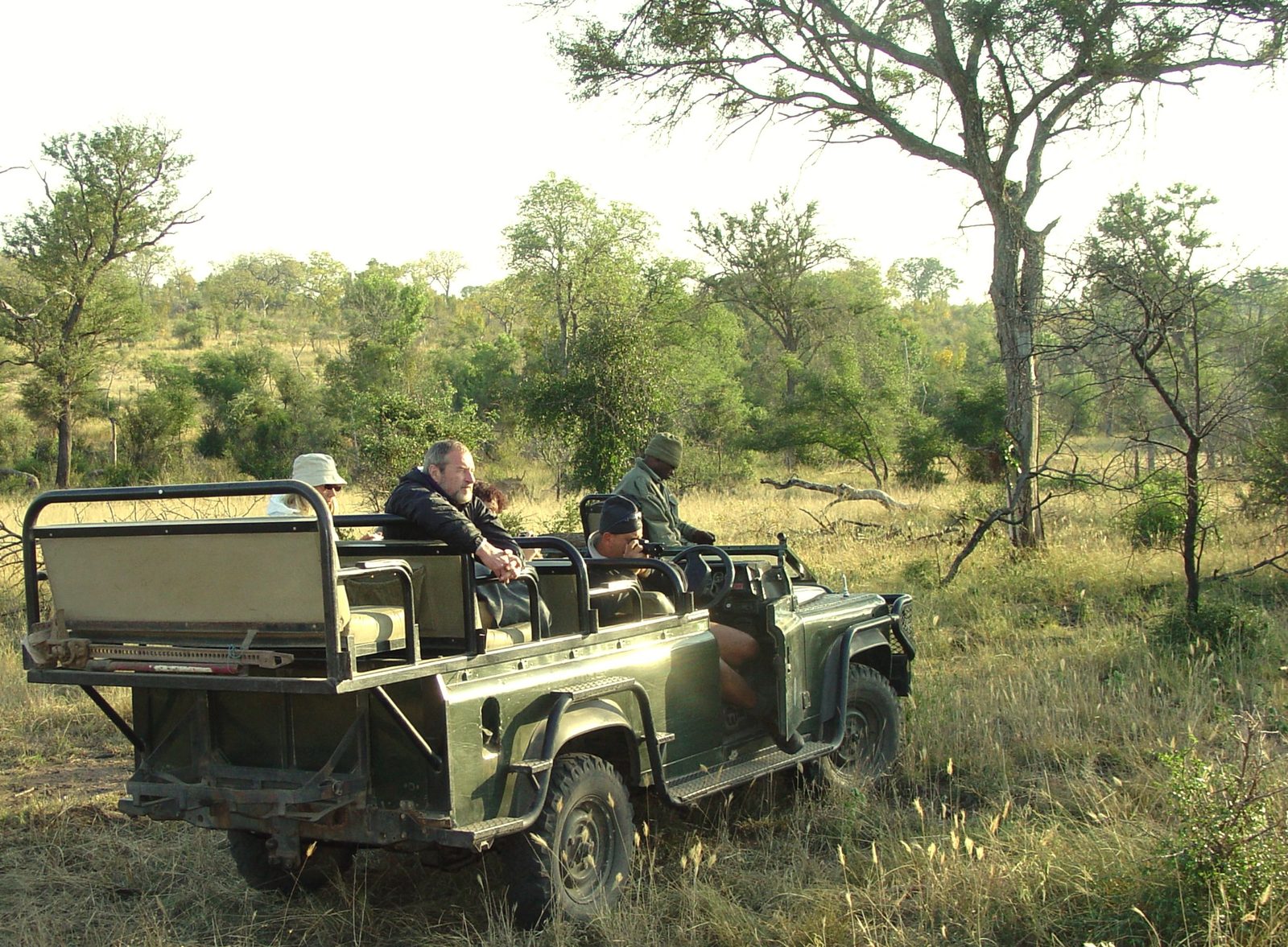
Practical tips for anyone interested in supporting this model start with education. Research operators who are full members of the Namibia Professional Hunting Association and who work inside registered conservancies. Ask specifically how much of the hunt fee returns to anti-poaching and community projects—reputable outfits will provide transparent breakdowns. Consider combining a hunt with a photographic safari or a visit to a rhino tracking experience so you see the broader conservation picture. Even non-hunters can contribute by choosing lodges and tour companies that partner with hunting conservancies, or by donating directly to organizations such as Save the Rhino Trust Namibia that collaborate with the hunting sector.
Recent developments reinforce the approach. Namibia continues to adjust quotas based on annual aerial surveys and ground counts. In the past few years the country has maintained its black rhino hunting quota under CITES while expanding community involvement in monitoring. Partnerships with international hunters have also funded DNA databases and horn stockpile management that help authorities track illegal trade. These steps keep the system adaptive and science-based.
Critics often claim any hunting of endangered species is wrong. The evidence from Namibia shows otherwise. Strict protection alone has failed in many places where communities receive no benefits and enforcement budgets remain chronically short. Namibia’s results—growing rhino numbers, declining poaching in key areas, and tangible local prosperity—demonstrate that sustainable use, including hunting, can outperform pure preservation. Hunters who participate do so knowing their presence and their dollars keep rhinos on the landscape.
The next time you hear that hunting and conservation cannot coexist, look to Namibia. Ethical hunters, working within a transparent system, have become essential partners in giving rhinos a future. Support policies that recognize this reality, choose responsible operators if you hunt, and share the facts with others who care about wildlife. Rhinos still need every advantage we can give them, and in Namibia hunting remains one of the strongest advantages available.